
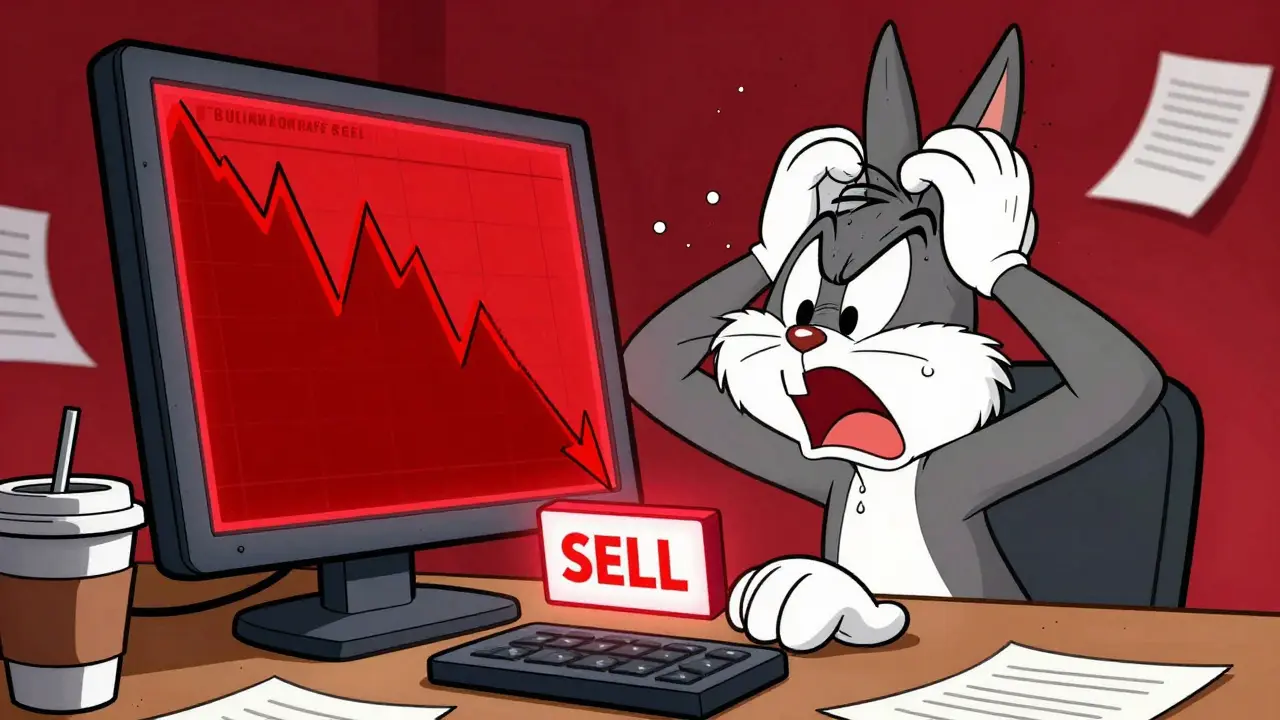
You bought some Bitcoin, watched it drop 20% overnight, and now you're staring at your screen wondering if you should panic sell. Or maybe you bought during a dip, saw it surge, and are terrified of missing out on the next peak. If this sounds familiar, you are not alone. This emotional rollercoaster is exactly why the HODL investment strategy exists.
HODL isn't just internet slang or a typo from a drunk forum post in 2013 (though that's where it started). It has evolved into a legitimate, disciplined approach to navigating the chaotic world of digital assets. At its core, HODL means buying quality cryptocurrencies and holding them through thick and thin, ignoring the daily noise of price charts.
But does it actually work? Is it lazy investing, or is it the smartest move you can make? Let’s break down what HODL really is, how to do it right, and when it might be time to rethink your plan.
What Does HODL Actually Mean?
The term originated from a famous Reddit post titled "I AM HODLING" by user GameKyuubi in December 2013. The user was intoxicated and trying to say he was "holding" his coins against a market crash. The community latched onto the misspelling, turning it into an acronym: Hold On Damn Loads.
Today, HODL represents a specific mindset. It is the decision to treat cryptocurrency as a long-term store of value rather than a short-term trading vehicle. Unlike active traders who try to profit from every small price swing, HODLers believe in the underlying technology and future adoption of blockchain networks. They accept that volatility is part of the process, not a reason to exit.
This strategy draws inspiration from traditional finance's "buy-and-hold" approach used in stock markets. However, there is a crucial difference. Stocks represent ownership in companies with cash flows, dividends, and regulatory oversight. Cryptocurrencies like Ethereum or Bitcoin are speculative assets with no intrinsic earnings. Their value comes entirely from network effect, scarcity, and collective belief. This makes HODLing in crypto significantly riskier and requires a different psychological framework than holding shares in Apple or Coca-Cola.
The Four Pillars of the HODL Mindset
To successfully HODL, you need more than just a wallet; you need a philosophy. Successful long-term holders typically adhere to four core principles:
- Long-Term Vision: You are playing a multi-year game. Market cycles in crypto often last four years, tied to events like Bitcoin halvings. Thinking in days or weeks leads to bad decisions.
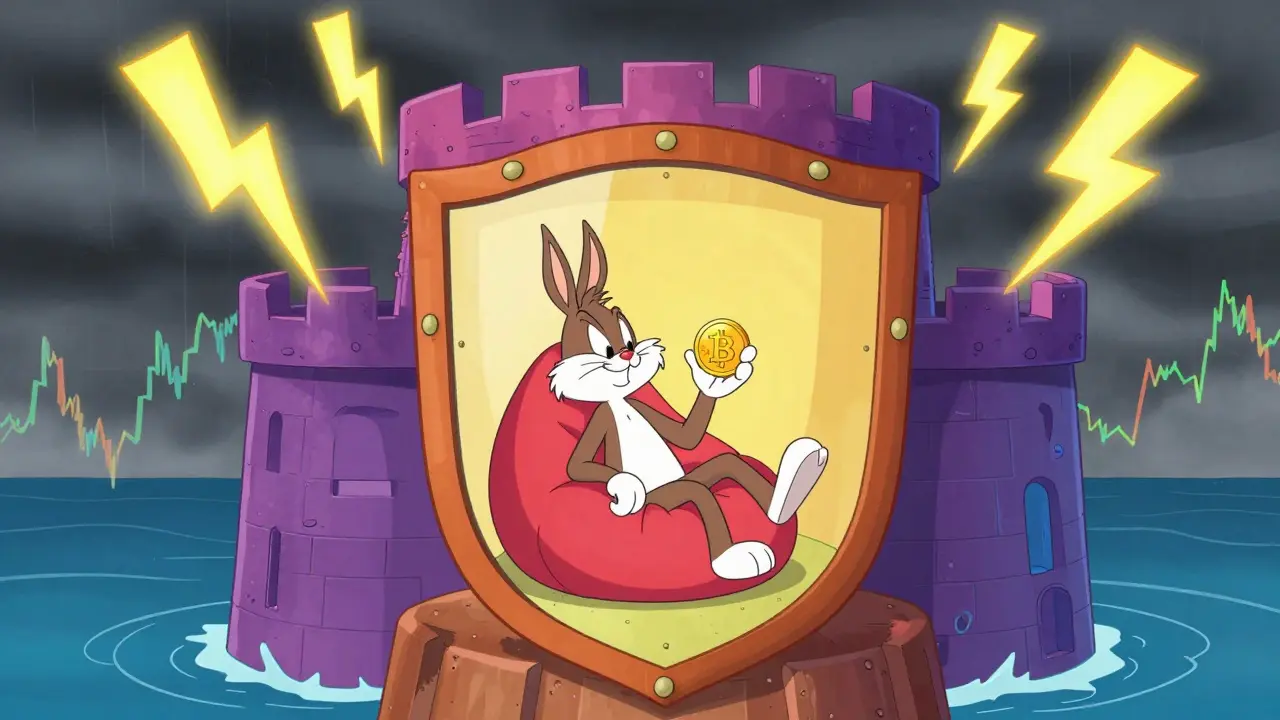
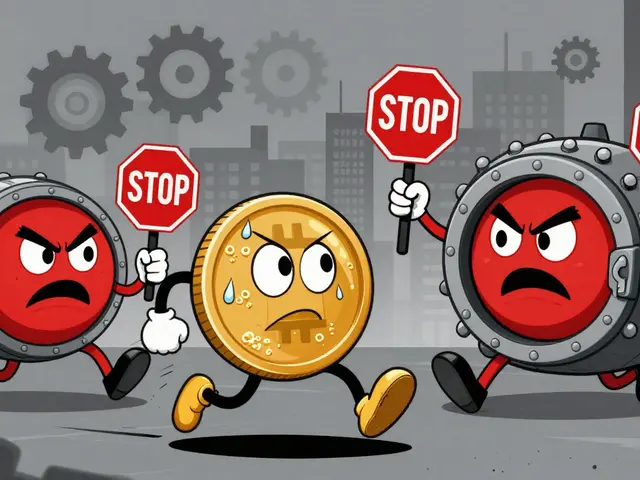
- Volatility Resistance: Price drops of 30%, 50%, or even 80% are normal in crypto. A HODLer sees these dips as opportunities to accumulate more, not signals to flee.
- Fundamental Belief: You hold because you believe in the technology. Whether it’s Bitcoin as digital gold or Ethereum as a global computer, your conviction must outweigh fear.
- Emotional Discipline: This is the hardest part. You must suppress the urge to panic sell during crashes and avoid FOMO (Fear Of Missing Out) buying during bubbles.
Without these pillars, HODLing becomes gambling. With them, it becomes a structured investment strategy.
HODL vs. Active Trading: Which Fits You?
Not every investor is cut out for HODLing. Some thrive on the adrenaline of daily trades. To decide which path is right for you, consider the differences in effort, risk, and reward.
| Feature | HODL Strategy | Active Trading |
|---|---|---|
| Time Commitment | Low (set and forget) | High (constant monitoring) |
| Risk Profile | Moderate (long-term trend risk) | High (short-term timing risk) |
| Skill Required | Patient discipline | Technical analysis expertise |
| Tax Complexity | Simple (fewer transactions) | Complex (many taxable events) |
| Goal | Capital appreciation over years | Profit from short-term swings |
Active trading is a zero-sum game. For you to win, someone else must lose. HODLing is positive-sum; you benefit from the overall growth of the ecosystem. If you have a full-time job and hate stress, HODLing is likely your best bet. If you love charts, data, and have hours to spare, trading might appeal to you-but know that most retail traders lose money.
How to Implement HODL Correctly
Just buying Bitcoin and forgetting about it is risky. Proper implementation involves security, diversification, and entry strategies.
1. Secure Your Assets
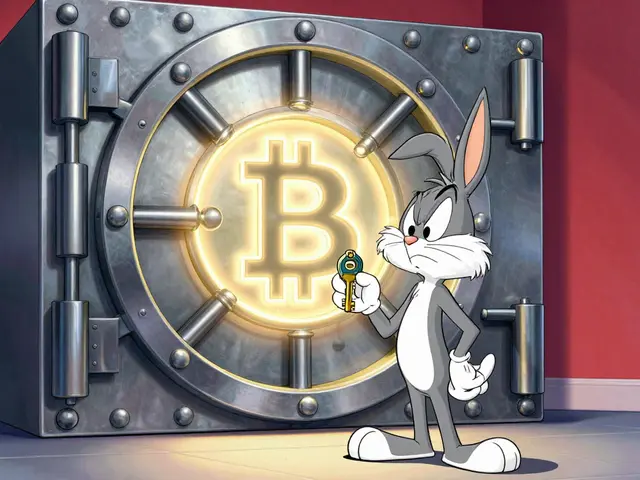
If you leave your crypto on an exchange, you don’t truly own it. Exchanges can hack, fail, or freeze withdrawals. For serious HODLing, use a hardware wallet like Ledger or Trezor. These devices keep your private keys offline, protecting you from online threats. Think of it as a safety deposit box for your digital wealth.
2. Combine with Dollar-Cost Averaging (DCA)
Trying to time the perfect bottom is nearly impossible. Instead, use Dollar-Cost Averaging. This means investing a fixed amount at regular intervals, regardless of price. For example, buy $100 of Bitcoin every week. When prices are high, you buy less. When prices crash, you buy more. Over time, this averages out your entry price and removes emotion from the equation.
3. Diversify Your Portfolio
Don’t put everything into one coin. While Bitcoin is the safest bet in crypto, allocating a portion to established altcoins like Ethereum or Solana can boost returns. Consider adding Crypto ETFs if you want exposure without managing private keys. ETFs offer regulated access to crypto markets, blending traditional finance safety with digital asset growth potential.
Common Mistakes That Kill HODL Portfolios
Even with the best intentions, many investors fail at HODLing. Here are the pitfalls to avoid:
- No Exit Strategy: HODL doesn’t mean never selling. You need a target. Will you sell 10% when you double your money? Will you rebalance annually? Without a plan, greed keeps you invested until the bubble bursts.
- Ignoring Fundamentals: Just because you held Bitcoin for five years doesn’t mean you should hold every meme coin forever. Regularly review the projects you own. If a project loses its developer team or user base, cut your losses.
- Leverage: Never mix HODLing with leverage. Borrowing money to buy crypto amplifies volatility. A simple 20% drop can liquidate your entire position, forcing you out before the recovery.
- Emotional Reactivity: Checking prices hourly triggers anxiety. Unfollow crypto influencers who hype daily pumps. Focus on quarterly or yearly trends instead.

When Should You Stop HODLing?
There are times when holding is the wrong move. If the fundamental thesis of a project changes-for example, if a major regulation bans its use or a critical security flaw is discovered-you must adapt. Additionally, if you need the money for near-term expenses like rent or tuition, do not lock it up in volatile assets. HODLing is only viable for capital you can afford to leave untouched for 3-5 years.
Remember, the goal of investing is not to look cool on Twitter. It is to preserve and grow wealth. If HODLing causes you sleepless nights, reduce your position size. Peace of mind is worth more than potential upside.
Realistic Expectations for 2026 and Beyond
In early 2025, Bitcoin reached new highs, driven by institutional adoption and ETF inflows. Experts like BlackRock’s Larry Fink have suggested Bitcoin could reach $700,000 in the coming years if institutional allocation increases. However, these are projections, not guarantees. Volatility will remain extreme. You will see green days and red days. Your job is to stay the course.
The crypto market matures every year. As regulations clarify and infrastructure improves, HODLing becomes less of a gamble and more of a strategic asset allocation choice. Treat it like planting a tree: you water it, protect it from pests, and wait for it to grow. You don’t dig it up every day to check the roots.
Is HODLing better than trading?
For most people, yes. Trading requires significant time, skill, and emotional control. Studies show that the majority of retail traders underperform the market due to fees and poor timing. HODLing captures the long-term upward trend of the asset class while minimizing transaction costs and tax liabilities.
How long should I HODL?
Ideally, at least one full market cycle, which is typically 4-5 years in crypto. Shorter periods expose you to higher volatility risk. Long-term holders historically see the best risk-adjusted returns because they survive bear markets and benefit from subsequent bull runs.
Can I lose all my money HODLing?
Yes. While Bitcoin has shown resilience, smaller altcoins can go to zero if the project fails or loses relevance. Always research the fundamentals of what you buy. Diversification helps mitigate this risk so one failure doesn’t wipe out your entire portfolio.
What is the difference between HODL and Buy-and-Hold?
Buy-and-hold traditionally applies to stocks with underlying earnings and dividends. HODL applies to cryptocurrencies, which are speculative assets with no cash flow. HODLing requires greater tolerance for volatility and relies heavily on technological adoption rather than corporate profitability.
Should I use leverage when HODLing?
Absolutely not. Leverage magnifies both gains and losses. In a highly volatile market like crypto, a standard price correction can trigger a liquidation, forcing you to sell at the worst possible time. HODLing works best with spot purchases using capital you can afford to hold long-term.

Categories