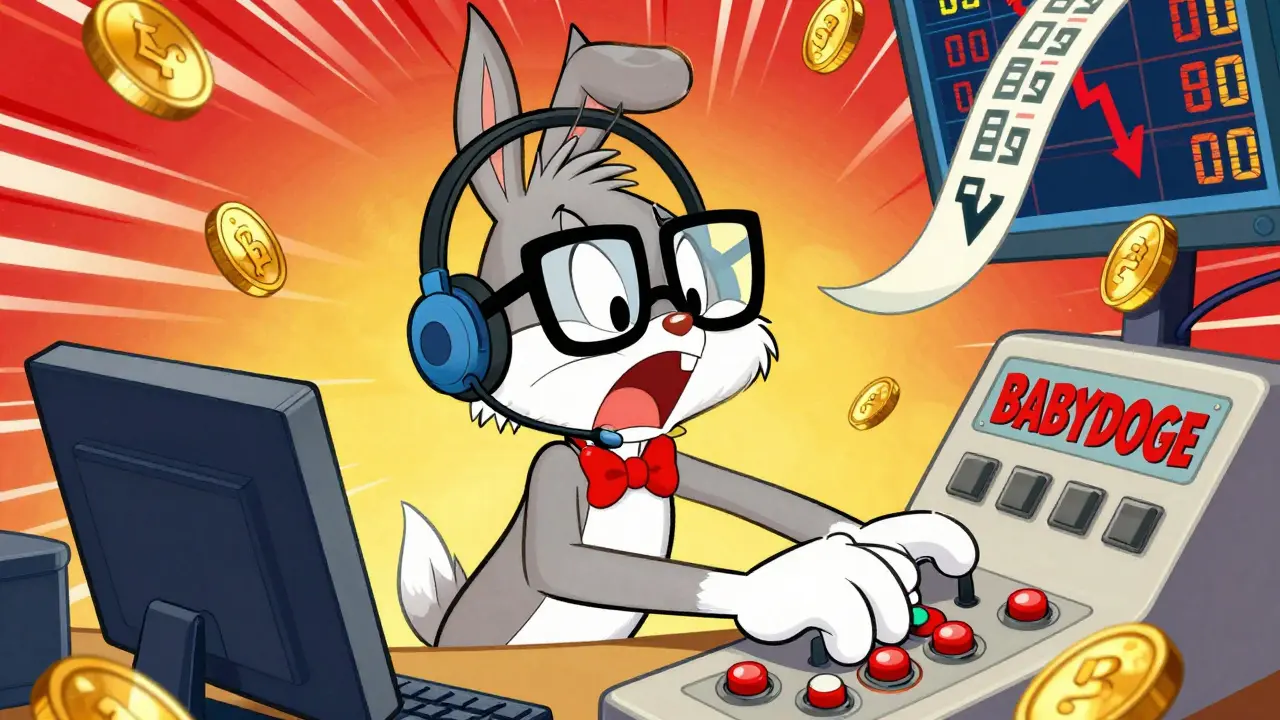
Most people know BabyDogeSwap is a decentralized exchange built specifically for the Baby Doge ecosystem on the BNB Chain. But if you’re not already holding the native token, does it actually make sense to use it? The short answer is usually no. Unless you are deep into the Baby Doge community or looking to trade very specific BEP-20 pairs with zero fees, this platform serves a narrow purpose. It isn’t trying to beat PancakeSwap at its own game. Instead, it tries to lock users into its specific economic model through heavy discounts for token holders.
If you clicked here looking for a general-purpose crypto swap tool, you might be disappointed. This review breaks down exactly how BabyDogeSwap works, where it saves you money, and where it falls short compared to industry giants. We’ll look at the fee structure, the security setup, and whether the limited liquidity makes it a viable option for your wallet in 2026.
What Exactly Is BabyDogeSwap?
BabyDogeSwap launched in 2022 as part of the broader Baby Doge Coin ecosystem. Unlike Uniswap or SushiSwap, which aim to be universal marketplaces for any ERC-20 token, BabyDogeSwap is hyper-specialized. It operates entirely on the BNB Chain (formerly Binance Smart Chain), using an Automated Market Maker (AMM) model.
The core idea is simple: users provide liquidity to pools, and other users swap tokens against those pools. However, the twist is the integration with the Baby Doge Coin (BABYDOGE). The platform was designed to incentivize holding BABYDOGE by offering massive fee discounts and yield farming opportunities that you won’t find on generic exchanges. As of late 2023 data, which remains relevant for its structural design, it supported around 31 trading pairs. While numbers fluctuate, the key takeaway is that it handles a fraction of the volume seen on major competitors.
Fees: Where You Save and Where You Pay
This is the most critical section for traders. BabyDogeSwap uses a tiered fee structure that rewards loyalty but penalizes casual users who don’t hold the native token.
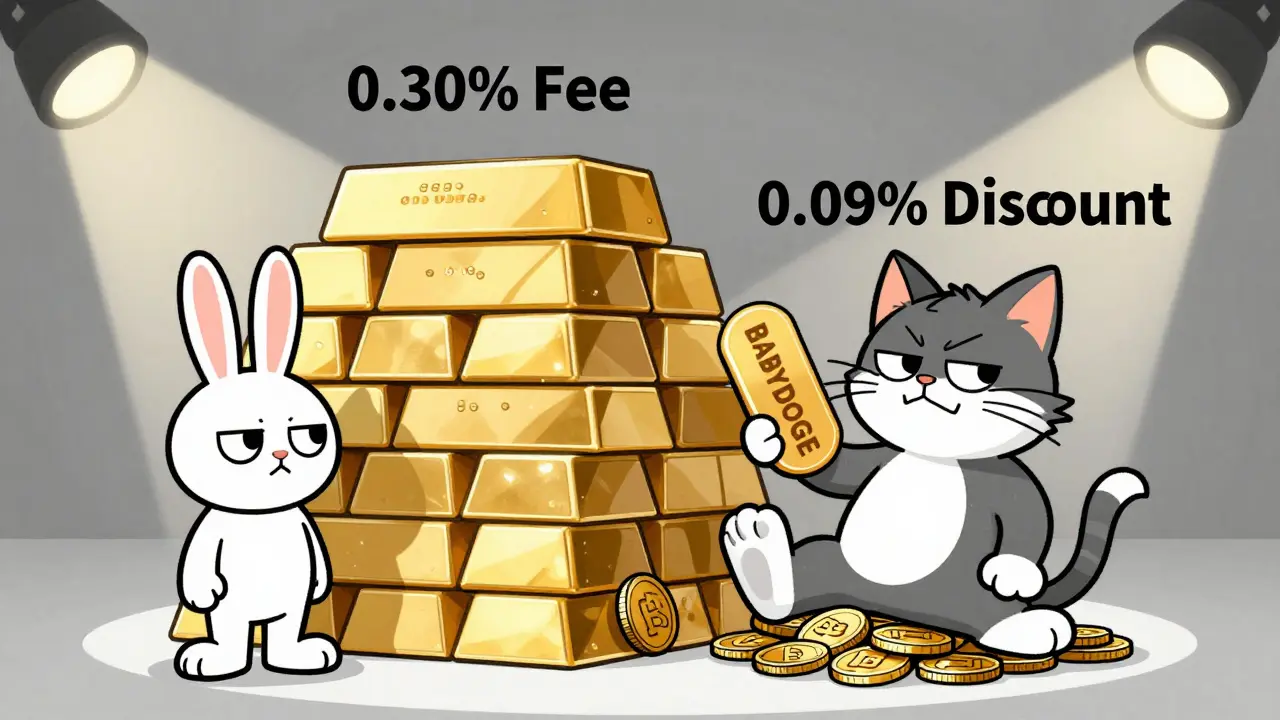
- Standard Swap Fee: 0.30% total. This is split into 0.20% returned to liquidity providers, 0.05% to the treasury, and 0.05% used for buybacks and burns.
- Holder Discount: If you hold BABYDOGE tokens, you can get up to 70% off standard fees. This drops the effective fee to as low as 0.09%.
- Zero-Fee Pairs: High-volume pairs like BabyDoge/BNB often feature 0% swap fees.
Compare this to PancakeSwap, the dominant DEX on the same chain. PancakeSwap typically charges 0.25% on standard pairs. If you aren’t holding BABYDOGE, BabyDogeSwap is actually *more* expensive (0.30% vs 0.25%). You only win on fees if you qualify for the holder discount or are trading specific zero-fee pairs. For most users, this means you need a significant amount of BABYDOGE in your wallet just to break even on cost savings compared to switching to PancakeSwap.
| Exchange | Standard Fee | Discount Mechanism | Min. Fee Possible |
|---|---|---|---|
| BabyDogeSwap | 0.30% | Holding BABYDOGE | 0.09% |
| PancakeSwap | 0.25% | CAKE Staking (varies) | ~0.10-0.15% |
| Uniswap V3 | Variable (0.05%-1%) | Concentrated Liquidity | 0.05% |
Liquidity and Trading Pairs: The Volume Problem
Liquidity is king in decentralized finance. Without enough depth in the pools, you suffer from high slippage-meaning you get fewer tokens than expected when you swap because the price moves against you during the transaction.
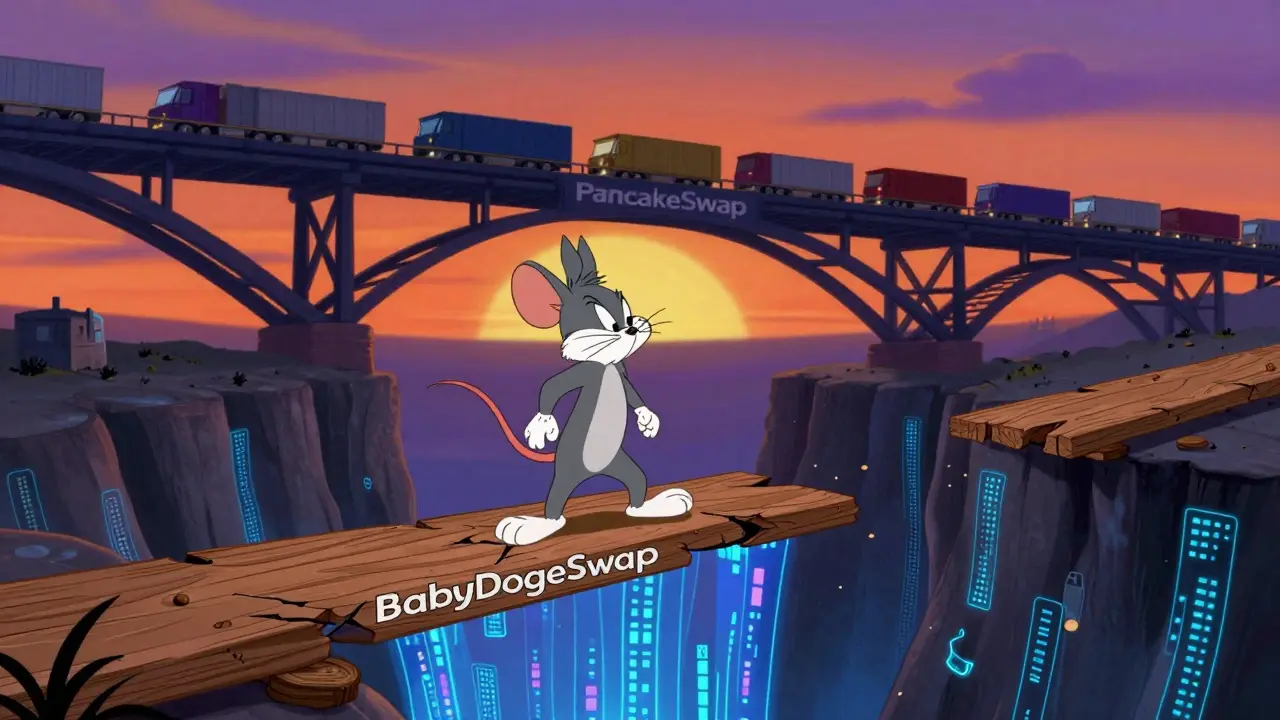
Here lies BabyDogeSwap’s biggest weakness. In October 2023, CoinGecko reported that PancakeSwap handled over $718 million in daily volume across 423 pairs. BabyDogeSwap, by contrast, had significantly lower volume and only about 31 pairs. While exact 2026 figures may have shifted slightly, the structural gap remains huge.
Why does this matter? If you try to swap a large amount of USDT for BABYDOGE on BabyDogeSwap, the pool might not have enough depth, causing your trade to fail or execute at a terrible rate. On PancakeSwap, that same trade would likely go through smoothly due to deeper liquidity. BabyDogeSwap is fine for small, retail-sized trades within its niche, but it is not built for institutional volume or large whale movements.
Security and Trust: Who Guards the Gates?
When you use a DEX, you interact directly with smart contracts. There is no customer support team to reverse a mistake. Security audits are non-negotiable.
BabyDogeSwap has undergone an audit by CertiK, a well-known blockchain security firm. This provides a baseline level of confidence that the code doesn’t contain obvious backdoors. However, having an audit doesn’t mean a platform is immune to risks forever. New vulnerabilities can emerge, and exploits happen.
A more concerning aspect for purists is the consensus mechanism. The underlying Baby Doge Coin operates on a Proof of Authority (PoA) model with only 21 validators approved by developers. Critics argue this makes the ecosystem "more centralized" than typical DeFi platforms. If those 21 validators collude or are compromised, the network could be halted. For a platform marketing itself as a decentralized exchange, this centralization risk is a notable contradiction.
User Experience and Accessibility
Getting started with BabyDogeSwap is straightforward if you already use the BNB Chain.
- Wallet Setup: You need a Web3 wallet like MetaMask or Trust Wallet configured for BNB Smart Chain.
- Gas Fees: Ensure you have some BNB in your wallet to pay for transaction gas fees. These are generally cheap on BNB Chain, often costing less than $0.10 per transaction.
- Connection: Visit the official site and connect your wallet. The interface is clean and resembles other AMM interfaces, making it easy to navigate for anyone familiar with DeFi.
The learning curve is moderate (around 3/5). It’s easier than navigating complex derivatives platforms but requires more understanding than a centralized exchange like Coinbase. Documentation exists but lacks the comprehensive detail found on more mature platforms. You’ll need to understand concepts like LP tokens and impermanent loss if you plan to provide liquidity rather than just swapping.
Is BabyDogeSwap Safe for Long-Term Holding?
This question ties directly to the health of the Baby Doge ecosystem. The token has shown extreme volatility. Reports from late 2023 showed weekly drops of nearly 20% and monthly declines of over 22%. While there have been recovery periods, the price action is highly speculative.
Using BabyDogeSwap exposes you to two types of risk: Platform Risk: Bugs in the smart contract or liquidity drain. Ecosystem Risk: If interest in BABYDOGE dies, the liquidity pools on BabyDogeSwap will dry up, rendering the exchange useless regardless of how secure the code is.
For long-term investors, relying on a single-token ecosystem exchange is risky. Diversifying your trading activity across multiple established DEXs reduces the chance of being locked out if one platform fails or loses relevance.
Final Verdict: Who Should Use It?
BabyDogeSwap is not a replacement for PancakeSwap or Uniswap. It is a specialized tool for a specific audience.
You should use BabyDogeSwap if: • You already hold significant amounts of BABYDOGE and want to maximize fee discounts. • You are participating in specific yield farming campaigns exclusive to this platform. • You are trading small amounts of BEP-20 tokens within the Baby Doge ecosystem and want to support the community.
You should avoid BabyDogeSwap if: • You are looking for the deepest liquidity for large trades. • You do not hold BABYDOGE tokens (you’ll pay higher fees than elsewhere). • You prefer fully decentralized governance models without centralized validator oversight.
In 2026, the DeFi landscape continues to favor platforms with high liquidity and cross-chain compatibility. BabyDogeSwap remains a niche player. It offers a unique value proposition for loyalists but lacks the breadth and depth to compete with the giants. Use it wisely, keep your positions small, and always double-check the official links to avoid phishing scams, which remain rampant in the meme coin sector.
Is BabyDogeSwap available on Ethereum?
No, BabyDogeSwap operates exclusively on the BNB Chain (Binance Smart Chain). It does not support Ethereum Mainnet transactions. To use it, you must bridge your assets to BNB Chain or hold BNB for gas fees.
How do I get the 70% fee discount?
The discount is tied to holding the BABYDOGE token in your connected wallet. The system automatically detects your balance and applies the reduced fee rate, dropping swaps from 0.30% to as low as 0.09%. You do not need to stake them; simply holding them in your wallet is sufficient.
Is BabyDogeSwap safer than PancakeSwap?
Not necessarily. While BabyDogeSwap has been audited by CertiK, PancakeSwap has a longer track record, larger liquidity, and more extensive community scrutiny. Additionally, BabyDogeSwap's reliance on a centralized validator set introduces different risks compared to PancakeSwap's more decentralized approach.
Can I lose money providing liquidity on BabyDogeSwap?
Yes. Like all AMMs, you face impermanent loss. If the price of BABYDOGE changes significantly compared to the paired asset (like BNB), you may end up with less value than if you had just held the tokens separately. Given BABYDOGE's high volatility, this risk is amplified.
What happens if the Baby Doge project fails?
If the Baby Doge ecosystem collapses, the liquidity pools on BabyDogeSwap would likely dry up completely. While your funds would technically remain in the smart contract, withdrawing them might become difficult or impossible due to lack of counter-party liquidity or potential smart contract freezes. This highlights the importance of not putting more capital into a niche DEX than you can afford to lose.


Categories