Trading Strategies: What Works, What Doesn't, and How to Avoid Crypto Scams
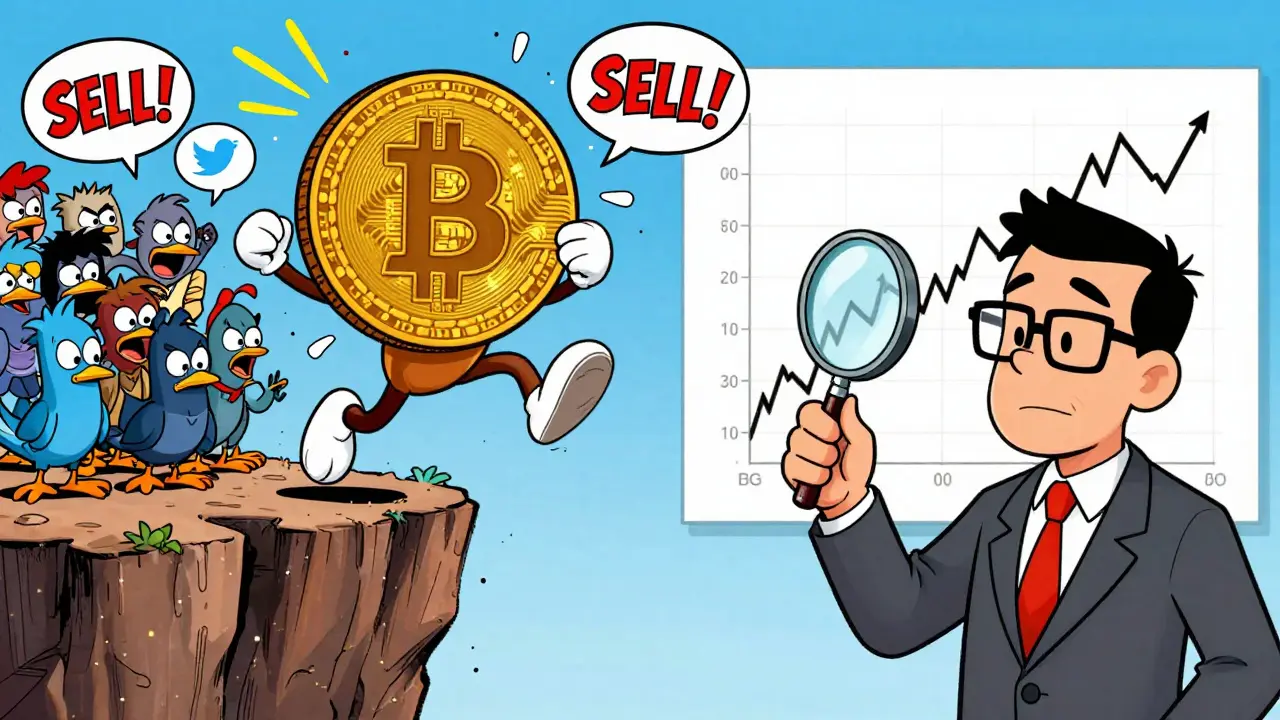
When you hear trading strategies, practical plans used to buy and sell assets with the goal of making a profit, most people think of charts, indicators, and quick wins. But in crypto, the real challenge isn’t finding the right pattern—it’s avoiding traps that look like opportunities. crypto scams, fraudulent schemes disguised as airdrops, exchanges, or guaranteed returns are everywhere. From fake airdrops like BAKECOIN and Unbound NFTs to unregulated platforms like BIJIEEX and Neblidex, the market is full of noise. Real trading strategies, practical plans used to buy and sell assets with the goal of making a profit don’t promise free money—they focus on risk, liquidity, and verification.
Successful trading strategies in crypto start with one rule: if it sounds too good to be true, it is. The most common mistake? Chasing meme coins like Buddy The Elf (ELF) or Cat in Hoodie (HODI) because they’re trending. These tokens have no team, no utility, and almost no liquidity. They’re not investments—they’re gambling with extra steps. Meanwhile, legitimate tools like DeFi trading, trading assets on decentralized protocols using smart contracts—such as UX Chain’s cross-chain staking or NuNet’s decentralized computing rewards—offer real value but require research. You won’t find them on TikTok. You’ll find them in audit reports, on-chain data, and user reviews that actually mention withdrawal times. And if you’re trading in places like Iran or Taiwan, where banks block crypto, your strategy has to include P2P markets and stablecoins like DAI—not hype.
What separates profitable traders from those who lose everything? Discipline. Not luck. The posts below show you exactly what’s real and what’s fake in today’s market. You’ll see how Indian users bypassed restrictions using UPI, how NFT ticketing prevents scalping with smart contracts, and why Oasis Swap vanished overnight. You’ll learn why AUSTRAC registration matters for exchanges in Australia, how EIP-1559 changed Ethereum’s fee structure, and why most airdrops claiming to be free are just phishing links. There’s no magic formula here—just facts, patterns, and warnings from real cases. What you’ll find below isn’t a list of tips. It’s a map of the minefield. And if you’re serious about trading, you need to know where the bombs are before you take a step.

Categories