Iranian Rial: What It Is, Why It Matters in Crypto and Global Markets
When you hear Iranian rial, the official currency of Iran, which has lost more than 90% of its value since 2010 due to hyperinflation and sanctions. Also known as IRR, it's no longer a reliable store of value — it's a warning sign for what happens when trust in government money breaks down. People in Iran don’t use it to save. They don’t use it to plan for the future. They use it to buy bread today — and then turn whatever’s left into something that won’t vanish by tomorrow.
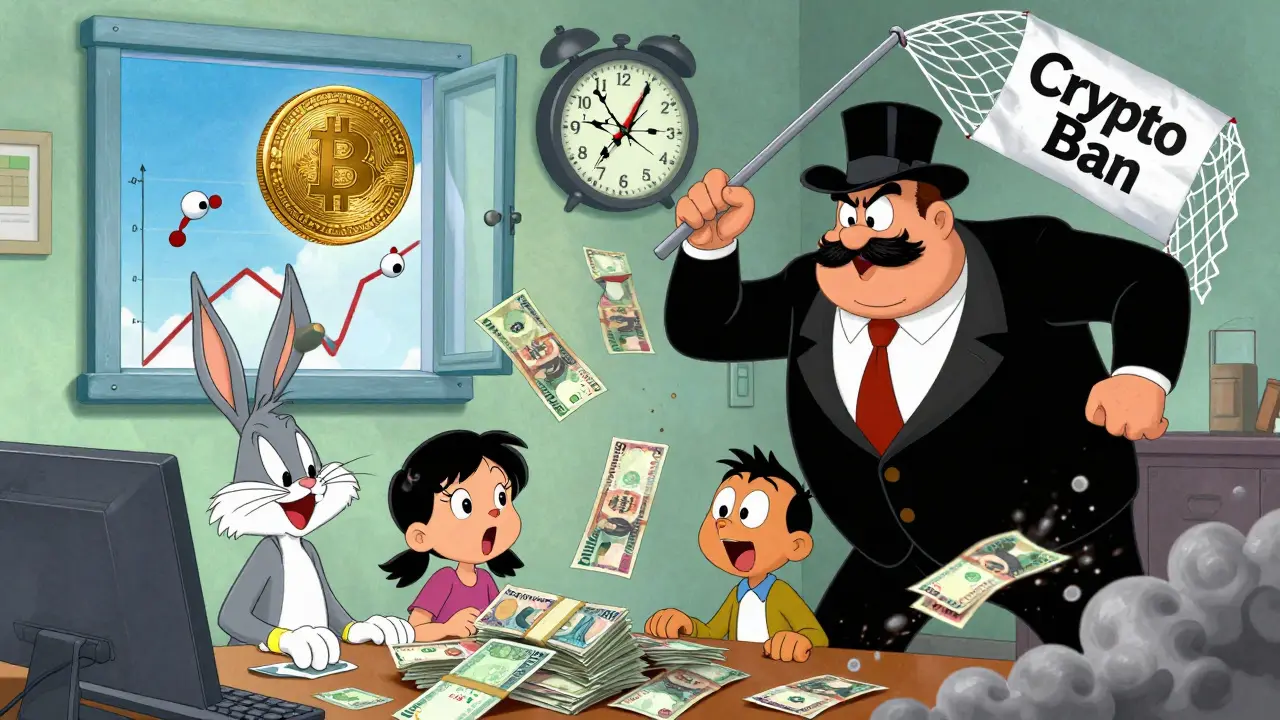
That’s where stablecoins, digital tokens pegged to the U.S. dollar or other stable assets, designed to hold value even when local currencies collapse come in. Bitcoin, USDT, and USDC aren’t just investments in Iran — they’re survival tools. A teacher in Tehran might get paid in rials on Friday, but by Monday, those rials are worth half as much. So they swap them for USDT before lunch. A student in Mashhad uses P2P platforms to trade rials for USDC to pay for online courses. This isn’t speculation — it’s necessity. And it’s happening at a massive scale, even with government crackdowns on crypto exchanges.
The fiat currency collapse, the rapid and sustained loss of value in a government-issued currency due to mismanagement, inflation, or sanctions in Iran mirrors what’s happened in Venezuela, Lebanon, and Turkey. But Iran’s case is unique because of its size, tech-savvy population, and the sheer number of people who’ve found ways around restrictions. While Western media talks about crypto as a speculative asset, in Iran, it’s the only thing standing between families and economic ruin. The government bans crypto trading, but still can’t stop millions from using it. Why? Because the rial has failed them.
What you’ll find below isn’t a list of crypto coins or exchange reviews — it’s a mirror. These articles show how people in countries with broken money systems adapt. You’ll read about how Indians bypassed taxes to adopt crypto, how Taiwanese banks block crypto but people still trade it, how Namibians face account freezes for using digital assets. These aren’t isolated stories. They’re all connected by one truth: when your national currency stops working, you find another way. The Iranian rial isn’t just a currency. It’s a case study in what happens when trust vanishes — and how crypto steps in where governments can’t — or won’t — help.




Categories