DeFi Explained: Decentralized Finance Insights & Guides
When working with DeFi, decentralized finance that moves traditional financial services onto blockchain networks. Also known as Decentralized Finance, it lets anyone earn, borrow, or trade without a central intermediary. DeFi is reshaping how we think about money, and the posts below break down every angle you need to know.
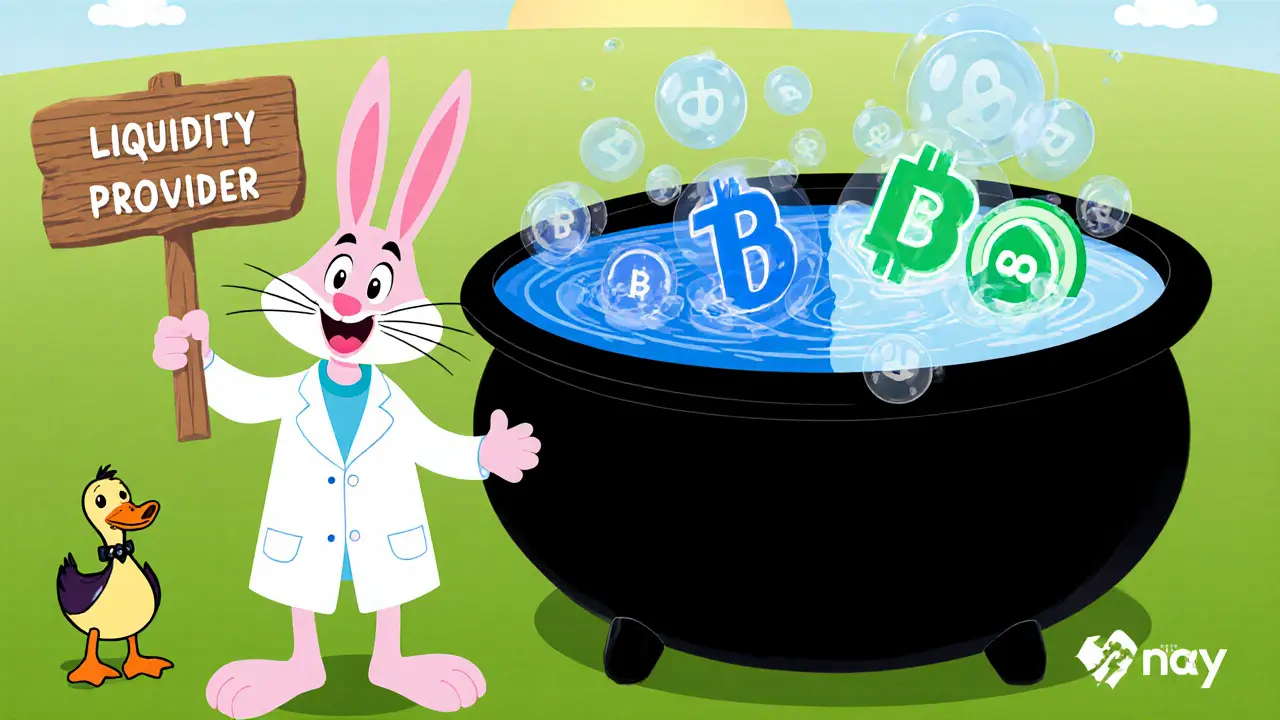
One of the biggest engines behind DeFi is Yield Farming, the practice of locking crypto assets in smart contracts to earn rewards. The concept encompasses liquidity provision, token incentives, and risk management. It requires Smart Contracts, self‑executing code that runs on a blockchain without a middleman. Those contracts power Liquidity Pools, shared reserves of tokens that enable instant swaps on decentralized exchanges. In turn, liquidity pools shape tokenomics, the economic design that determines how a token gains value, distributes rewards, and controls supply. In short, DeFi encompasses yield farming; yield farming requires smart contracts; smart contracts enable liquidity pools; liquidity pools drive tokenomics; tokenomics influences DeFi incentives.
Key Concepts in DeFi
Understanding how these pieces fit together helps you avoid common pitfalls. For example, a poorly designed tokenomics model can lead to unsustainable reward rates, causing a pool to collapse after a few weeks. Conversely, a well‑balanced smart contract code can automate risk controls, protect lenders, and keep the pool healthy. That's why our articles dive into real‑world examples, from fee‑based block rewards to hybrid incentive structures.
Regulation also plays a huge role. In India, navigating crypto compliance means picking KYC‑friendly exchanges and keeping solid records. In Nigeria, new licensing rules affect how exchanges operate. Our guides walk you through these legal landscapes, so you stay on the right side of the law while exploring DeFi opportunities.
We don’t stop at theory. Want to see DeFi in action? Check out our deep dives on platforms like Uniswap v2 on Base, Switcheo Network, and Sterling Finance on Arbitrum. Each review details fees, security, token utility, and real‑world performance, giving you a clear picture before you invest.
If you’re curious about the next wave, our pieces on block reward evolution, fee‑only models, and liquid staking explain how the industry might shift from halving events to more sustainable, fee‑driven incentives. These insights help you anticipate where the market is headed and position yourself ahead of the curve.
Ready to dig deeper? Below you’ll find a curated list of articles that cover everything from basic DeFi definitions to advanced tokenomics analysis, regulatory guides, platform reviews, and future‑looking trend reports. Each piece is designed to give you actionable knowledge you can apply right away.




Categories