TrustSwap Staking Rewards Calculator
How Staking Works
The longer you stake SWAP tokens in TrustSwap's Long Term Staking Portal (LTSP), the higher your rewards and launchpad access. Staking for 5 years gives the maximum benefits and priority allocation for new projects.
Estimated Results
Annual Rewards: SWAP
Total Rewards: SWAP
APY:
Launchpad Access:
Priority Allocation:
Estimated Value:
* These estimates are based on TrustSwap's current staking model. Actual rewards may vary based on market conditions and platform updates. Staking locks your tokens for the entire duration.
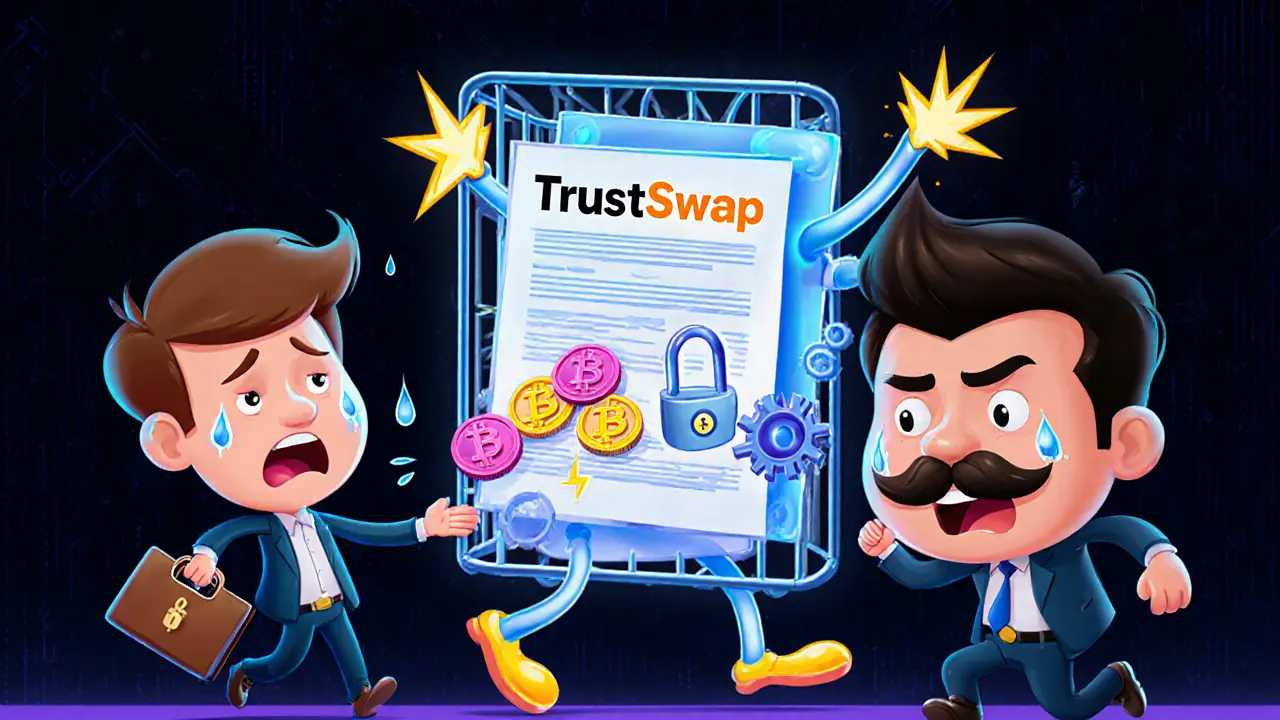
TrustSwap (SWAP) isn’t just another cryptocurrency. It’s a toolkit built to fix a real problem in crypto: how do you trust someone with your money when they’re supposed to hold it - but could just walk away with it? Before TrustSwap, if a venture capital firm wanted to invest $50,000 in a new crypto project, they had to hire a lawyer to act as a middleman. That cost 5-10% in fees. And even then, there was no guarantee the project wouldn’t dump all its tokens the moment they got them, crashing the price. TrustSwap solved that - with code.
How TrustSwap Works: No Middlemen, Just Smart Contracts
TrustSwap runs on Ethereum and other blockchains like Binance Smart Chain, Polygon, and Avalanche. Its core function is simple: it lets people lock up tokens with rules built into the code. No human needed. No bank. No lawyer. For example, a startup raising funds can set up a time-locked release: 20% of tokens go to investors now, another 20% after 6 months, and the rest over the next year. The smart contract enforces it automatically. If the team tries to move the tokens early, they can’t. That’s called a token lock.That same system works for buyers too. If you’re buying tokens from a project, you can use TrustSwap’s escrow service. You send your ETH or USDT to the contract. The project sends their tokens to the same contract. Only when both sides confirm everything’s correct does the deal go through. If one side disappears, the other gets their money back. It’s like PayPal for crypto - but trustless.
What Makes SWAP the Core of TrustSwap?
SWAP is the heartbeat of the TrustSwap ecosystem. It’s not just a payment token - it’s the engine that keeps the whole system running. When you pay for services using SWAP, you get discounts. When you stake SWAP, you earn rewards. When you use TrustSwap’s launchpad, you get priority access. The more you use it, the more the platform grows - and the more the value of SWAP increases. It’s not a coin you just list on an exchange. It’s the currency that powers a whole new way of doing business in DeFi.
How Does Staking SWAP Work?
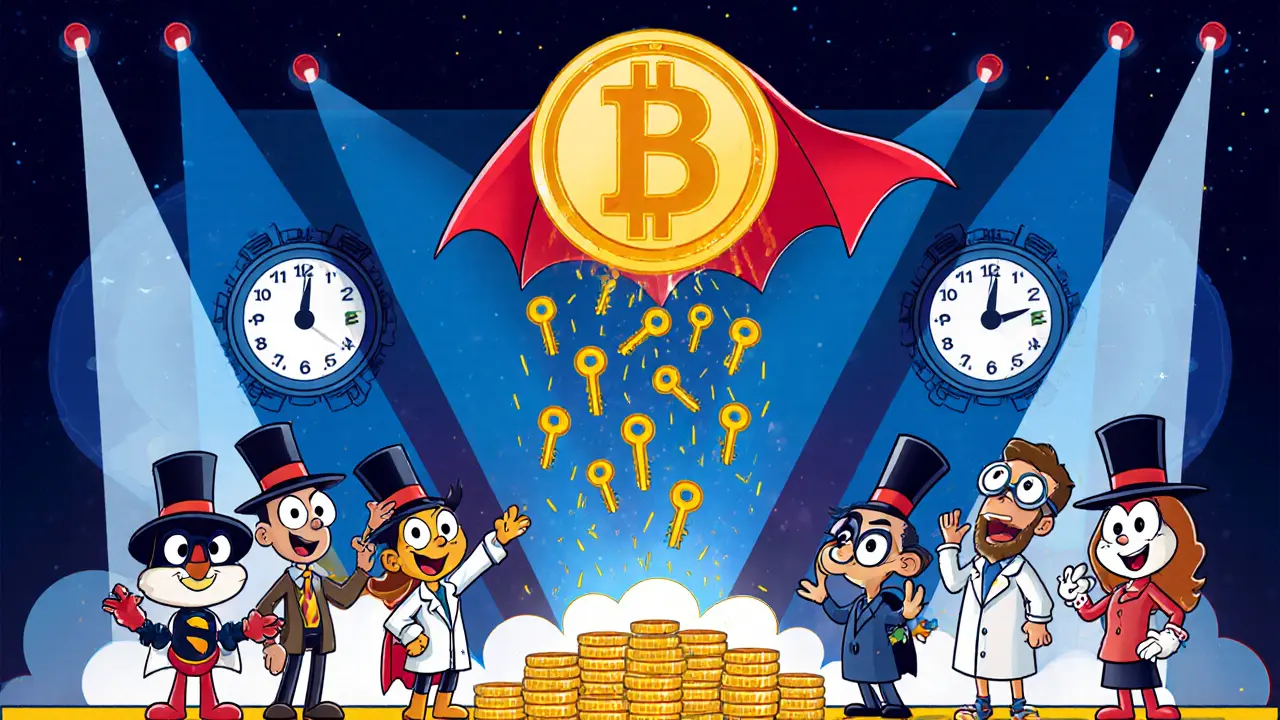
Staking SWAP isn’t just about locking coins for rewards. It’s a strategic tool. The Long Term Staking Portal (LTSP) lets users lock up SWAP for 1, 2, 3, 4, or 5 years. The longer you lock, the more you get back. For every 100,000 SWAP staked for 5 years, you get a guaranteed allocation in TrustSwap’s launchpad. That’s how you secure your spot in the next big project. The system doesn’t just give you rewards - it gives you priority. And the more you stake, the more you unlock. It’s not a static pool. It’s a dynamic system where commitment equals access.
What Is the Purpose of the TrustSwap Launchpad?
TrustSwap’s launchpad isn’t a marketplace you rent space on. It’s a platform you build your future on. It’s where projects raise funds and get guaranteed allocations. TrustSwap has already helped over 127 projects go live - from DeFi protocols to blockchain gaming. And each one of them used TrustSwap’s launchpad to raise money without the headaches of traditional fundraising. The launchpad isn’t just a feature. It’s the reason why TrustSwap exists - and why it’s growing.
How Do You Use TrustSwap’s Escrow Services?
Using TrustSwap’s escrow service is simple. You connect your wallet - whether it’s MetaMask, Trust Wallet, or another - and select the amount you want to lock. The contract is already built. You don’t need to worry about the details. The system handles it. And if you’re using it for a partnership or a funding round, you don’t need to worry about the other side backing out. The code does it for you. That’s the power of automation. And that’s why TrustSwap is trusted by so many projects.
What Are the Risks of Using TrustSwap?
There are risks - but they’re not from the technology. They’re from the market. If you wait too long to use TrustSwap, you might miss out on the next big project. If you don’t use the launchpad, you might not get the allocations you need. If you don’t stake SWAP, you might not get the rewards you’re entitled to. But the risks from the technology? They’re minimal. The smart contracts are audited. The system is monitored. And the platform is updated regularly. TrustSwap isn’t a gamble. It’s a foundation.
How Does TrustSwap Compare to Other DeFi Platforms?
Uniswap is a DEX. Binance is a centralized exchange. TrustSwap is a DeFi infrastructure provider. It doesn’t compete with them - it enables them. It’s not a competitor to PancakeSwap or SushiSwap. It’s the backbone they rely on. And it’s not just about volume. It’s about reliability. TrustSwap’s escrow and token lock services are what make the DeFi ecosystem work. Without them, the entire system would collapse. And that’s why TrustSwap is so important.
How Do You Buy SWAP Tokens?
You can buy SWAP on any major exchange - Binance, Coinbase, Kraken. It’s available in every crypto trading pair. And the price? It’s not fixed. It’s determined by the market. But you can’t just buy it and forget it. You need to understand what it does. You need to know how it powers the ecosystem. And you need to know that it’s not just a coin. It’s the key to a new world of decentralized finance. And that’s why it’s so valuable.
What Is the Future of TrustSwap?
TrustSwap is not a passing trend. It’s a foundational layer of the DeFi infrastructure. And its future is clear. The 2.0 upgrade is coming - with cross-chain staking, improved gas optimization, and a new architecture. The roadmap is set. The milestones are planned. And the growth is real. TrustSwap is not just surviving. It’s leading. And the next few years will show just how far it can go.
What is TrustSwap (SWAP) used for?
TrustSwap is used to create trustless, automated financial agreements in DeFi - like locking tokens, launching new projects, and ensuring fair distribution without middlemen. Its core tools include escrow, time-locked vesting, and launchpad services.
Why is SWAP a utility token and not just a trading asset?
SWAP is a utility token because it’s required to pay for platform services, access launchpads, and earn staking rewards. You don’t just hold it - you use it to reduce fees, unlock allocations, and participate in the ecosystem. It’s not a speculative asset; it’s a functional tool.
How does TrustSwap prevent rug pulls?
TrustSwap prevents rug pulls by using smart contracts that lock tokens and control release schedules. Projects cannot move tokens unless the code allows it, and investors are protected by escrow services that ensure both sides fulfill their obligations before any transfer happens.
Why does SWAP have a deflationary model?
SWAP’s deflationary model burns 10% of every transaction fee to reduce supply, which increases scarcity and value over time. This is a proven economic design used across DeFi to create upward pressure on token price - and it’s one of the reasons SWAP has value.
Can I stake SWAP on TrustSwap?
Yes. The Long Term Staking Portal (LTSP) lets you stake SWAP for 1 to 5 years to earn rewards and gain access to exclusive launchpad allocations. The longer you stake, the higher your rewards - and the more control you get over the ecosystem.
TrustSwap is not a coin you just list on an exchange. It’s a system you build your future on. And the next few years will show just how far it can go.