AI Compute Coin: What It Is and Which Projects Actually Deliver
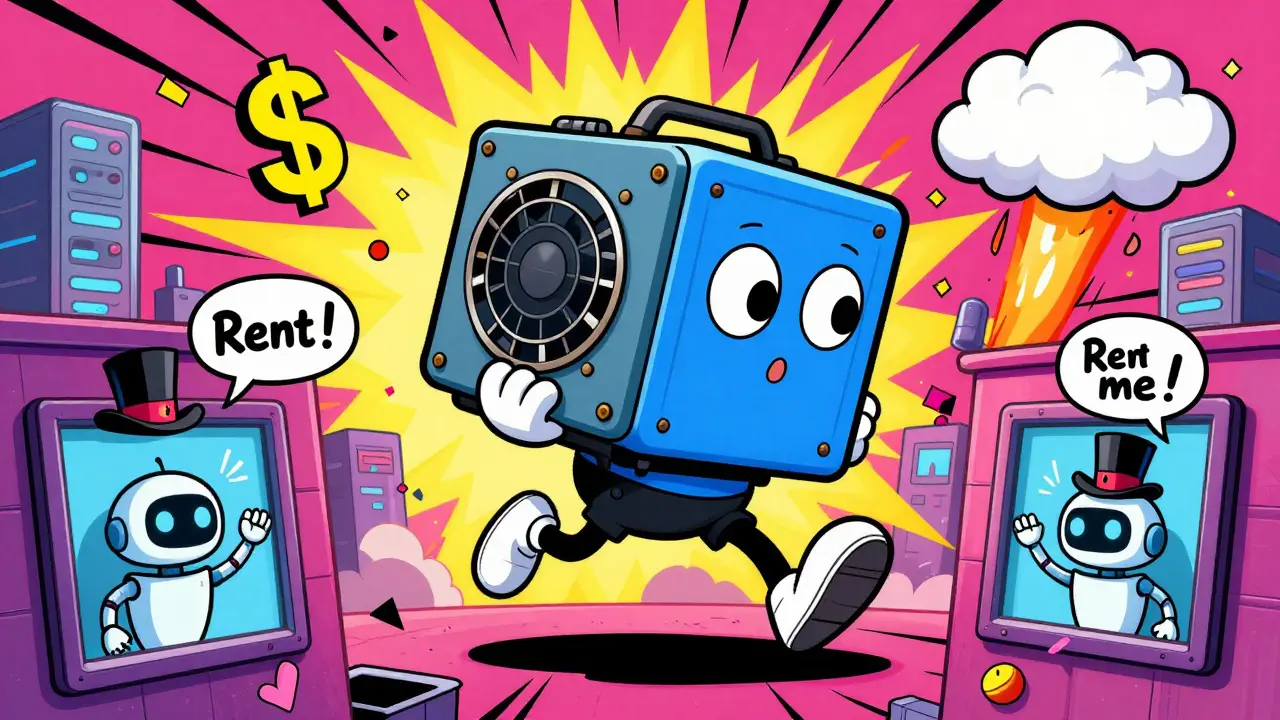
When you hear AI compute coin, a cryptocurrency that rewards users for lending their computer power to AI training tasks. Also known as decentralized computing token, it turns your idle CPU or GPU into a revenue stream—no mining rigs, no electricity bills, just unused capacity. This isn’t sci-fi. Real projects like NuNet (NTX), a blockchain network that connects spare computing power to AI developers are already doing this. Think of it like Airbnb for computer chips: you rent out what you’re not using, and someone else uses it to train large language models or run simulations.
Most crypto projects promise AI hype—but few actually deliver real computing power. A true AI compute coin doesn’t just have AI in its name. It has active nodes, measurable workloads, and real clients paying for compute. NuNet is one of the few with documented usage: users earn NTX tokens by sharing GPU cycles to companies building AI tools. Other tokens might claim to be "AI-powered," but if they don’t track actual computation—like processing images or running neural nets—they’re just marketing.
Why does this matter? Because AI training is expensive. Big companies pay billions for cloud servers. A decentralized network of home users can slash those costs. That’s the real value. You’re not betting on a token price—you’re participating in a supply chain for artificial intelligence. Projects that fail? They ask you to stake tokens or buy NFTs to "unlock" AI rewards. Real AI compute coins don’t need that. They track your hardware’s output, not your wallet balance.
What you’ll find below are real reviews of platforms that actually offer compute power—not vaporware. Some are dead ends, like fake airdrops pretending to be AI projects. Others, like NuNet, have active users and verifiable workloads. You’ll also see how scams mimic these models, using terms like "AI mining" to trick people into sending crypto. This collection cuts through the noise. No fluff. Just what works, what doesn’t, and who’s actually powering the next wave of AI.



Categories