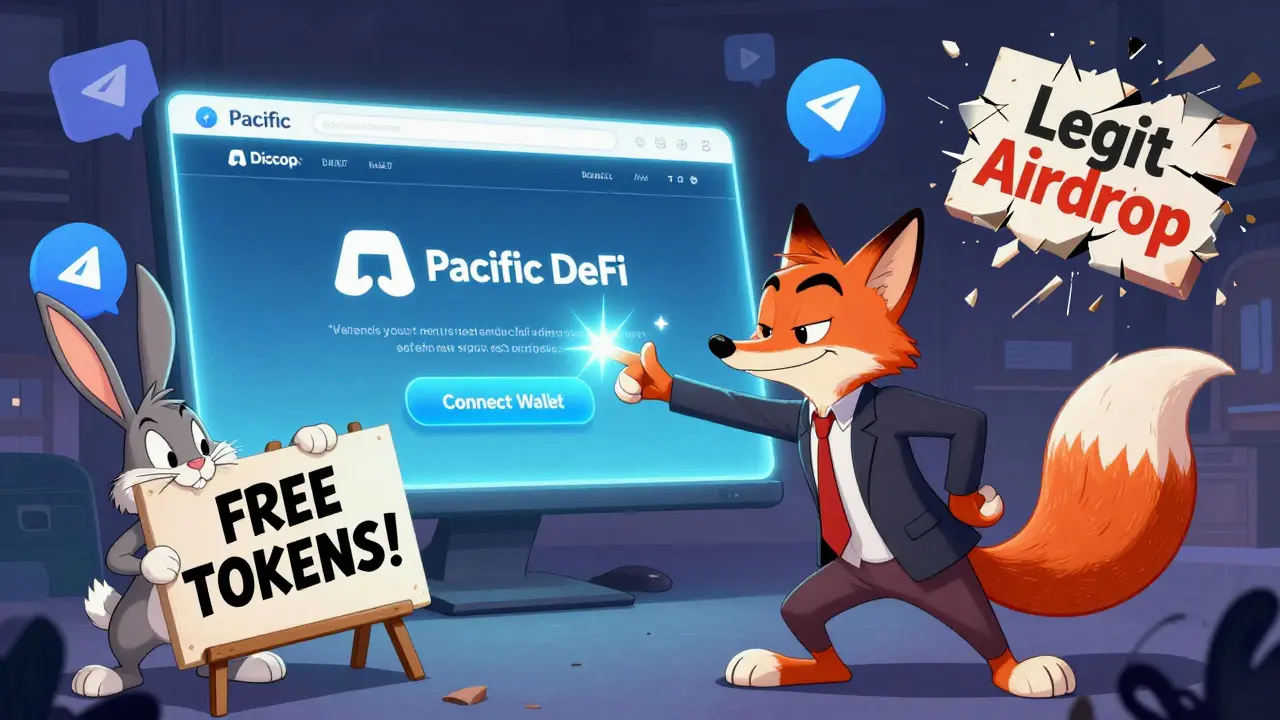
There’s no such thing as a Pacific DeFi IDO airdrop. Not because it’s hidden, not because it’s upcoming, but because it doesn’t exist. If you’ve seen ads, Discord messages, or Telegram posts promising free tokens from a project called Pacific DeFi, you’re being targeted by a scam.
Crypto airdrops are real. Legit projects like Arbitrum, Optimism, and Solayer Labs have given away millions in tokens to users who helped test their networks. But those projects have public whitepapers, verified GitHub repositories, official websites, and listings on trusted launchpads like Polkastarter or DAO Maker. Pacific DeFi has none of that.
Here’s what you’ll find if you search for it: nothing. Not on airdrops.io, not on ICOAnnouncement.io, not on ZebPay’s list of top 2025 airdrops, not even in the background noise of CoinPedia Markets or CryptoTotem. Every major crypto tracking platform that lists active or upcoming IDOs and airdrops has a complete database of projects - and Pacific DeFi isn’t on any of them.
That’s not an accident. It’s a red flag.
How Real Airdrops Work - And Why Pacific DeFi Doesn’t Fit
Legitimate airdrops don’t ask you to send crypto to claim tokens. They don’t ask for your private key. They don’t send you a link that looks like a wallet but asks you to connect it to a site you’ve never heard of.
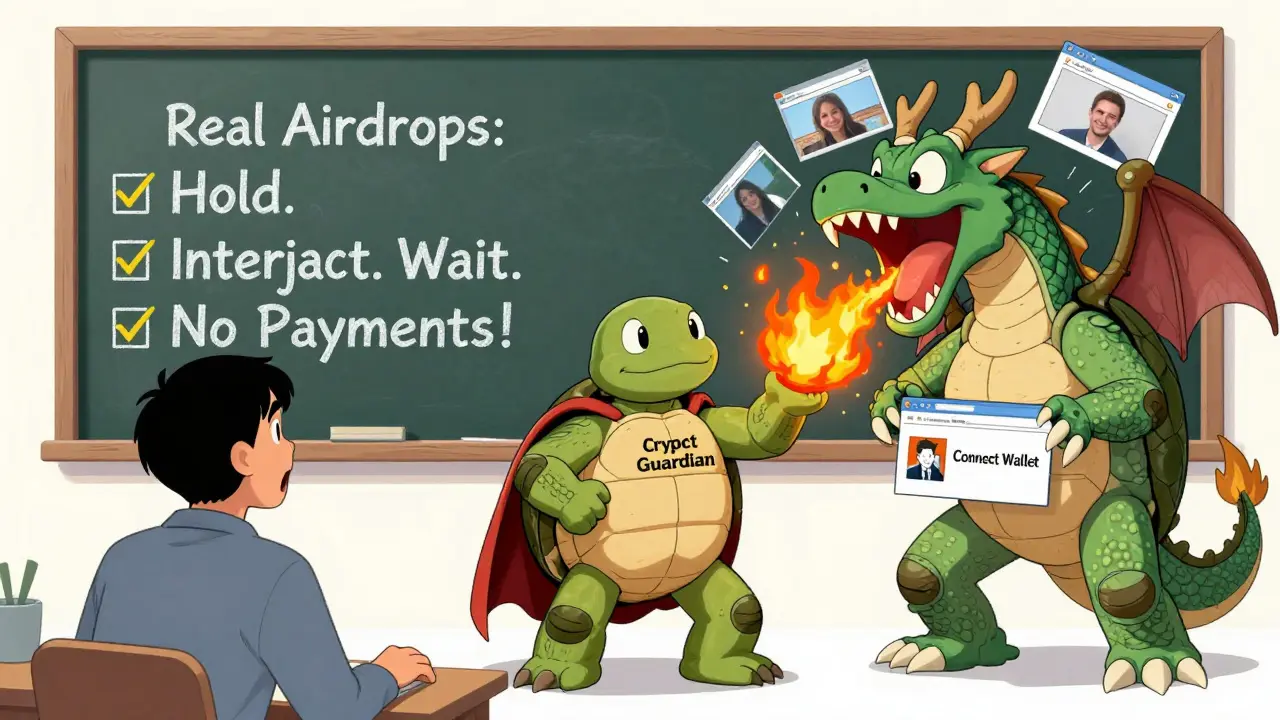
Real airdrops are simple:
- You hold a specific token in your wallet (like $ETH or $SOL) on a certain date.
- You interact with a live protocol - maybe swap on a DEX, stake, or bridge assets.
- You complete a task that’s documented publicly: tweet about the project, join their Discord, follow their Twitter.
Then, weeks or months later, tokens appear in your wallet - no action needed on your part. No payment. No verification. No "limited spots."
Pacific DeFi’s "airdrop" does none of this. It’s vague. It’s urgent. It’s full of buzzwords: "exclusive," "early access," "limited allocation." That’s not how real DeFi projects operate. They’re open. They’re transparent. They publish their tokenomics, their roadmap, their team’s public profiles.
Why Scammers Use the Name "Pacific DeFi"
The name sounds official. "Pacific" evokes trust - like a big, stable company. "DeFi" tells you it’s blockchain-based. Together, they sound like a project that belongs in the same category as Uniswap or Aave.
But here’s the truth: scammers don’t need to build a real product. They just need you to believe one exists. They’ll create a fake website with a sleek UI, copy-paste a whitepaper from another project, and use AI-generated team photos. Then they’ll flood social media with paid promoters saying, "I got my tokens - you’re missing out!"
They’re not trying to build a decentralized finance platform. They’re trying to steal your funds.
What You’ll Be Asked to Do - And Why It’s Dangerous
If you click on one of these links, here’s what happens:
- You’re told to "connect your wallet" to claim your airdrop.
- You’re redirected to a site that looks like MetaMask or Trust Wallet.
- You’re asked to approve a transaction - often labeled "Claim Tokens" or "Participate in IDO."
- That transaction doesn’t give you tokens. It gives the scammer full access to your wallet.
Once they have that approval, they can drain every asset in your wallet - ETH, SOL, stablecoins, NFTs. It’s instant. It’s irreversible. And there’s no customer support to call. No refund policy. No legal recourse.
There are real cases of people losing $50,000, $100,000, even more - all because they clicked "Connect Wallet" on a fake Pacific DeFi page.
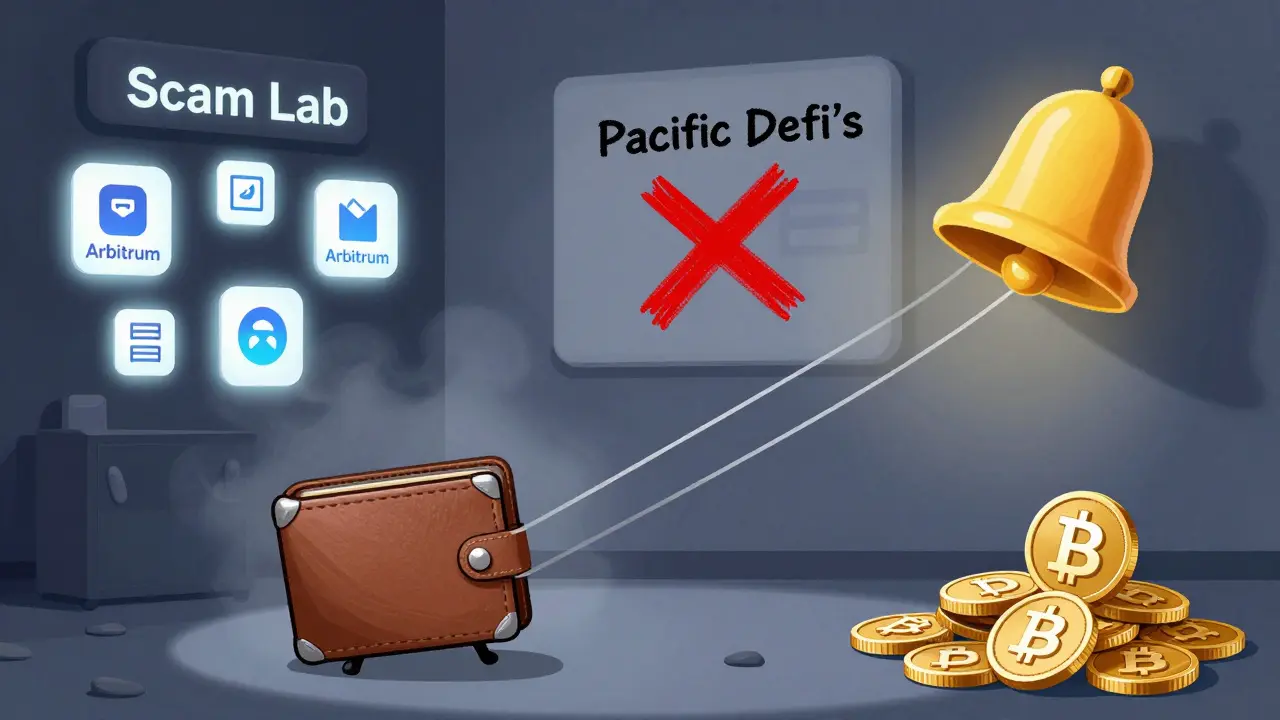
How to Spot a Fake Airdrop
Here’s a quick checklist:
- Is it on a major launchpad? - Polkastarter, DAO Maker, BSCPad, Seedify? If not, it’s not real.
- Is there a public GitHub? - Real projects show code. Fake ones don’t.
- Can you find the team? - Do they have LinkedIn profiles? Have they spoken at conferences? Do they use real names?
- Does the website have a .xyz or .info domain? - Legit projects use .com, .org, or .io. Random domains are a warning.
- Is there a token contract address? - If you can’t find the contract on Etherscan or Solana Explorer, it’s fake.
If any of these are missing - walk away.
What to Do If You Already Engaged
If you connected your wallet to a Pacific DeFi page, even if you didn’t send money:
- Immediately go to your wallet (MetaMask, Phantom, etc.) and revoke all permissions.
- Use a tool like revoke.cash to see what contracts you’ve approved and cancel them.
- Don’t panic. If you didn’t send ETH or SOL, your funds are likely still safe - but revoke permissions anyway.
- Report the site to the platform it’s hosted on (Discord, Telegram, Twitter).
If you sent funds - there’s no way to get them back. But you can stop others from falling for it. Post what happened. Warn your friends. Share this article.
Where to Find Real Airdrops in 2026
Want real opportunities? Here are legit places to look:
- Arbitrum - They’ve done multiple retroactive airdrops for users who swapped, bridged, or staked.
- Optimism - Regularly rewards early adopters of their Layer 2 network.
- Solayer Labs (LAYER) - Gave tokens to users who interacted with synthetic assets.
- Plume Network (PLUME) - Airdropped to users who participated in their testnet.
- ZkSync - Has a history of rewarding users who used their network before mainnet.
All of these have public documentation, audit reports, and clear timelines. None of them ask you to "pay to claim."
Final Warning
Crypto moves fast. New projects pop up every day. But the ones that last? They don’t need hype. They don’t need urgency. They don’t need you to act now.
Pacific DeFi is a ghost. No website. No team. No code. No history. Just a lure.
If it sounds too good to be true - it is. And in crypto, the cost of believing it isn’t just money. It’s your security.
Don’t connect. Don’t send. Don’t click. Walk away.