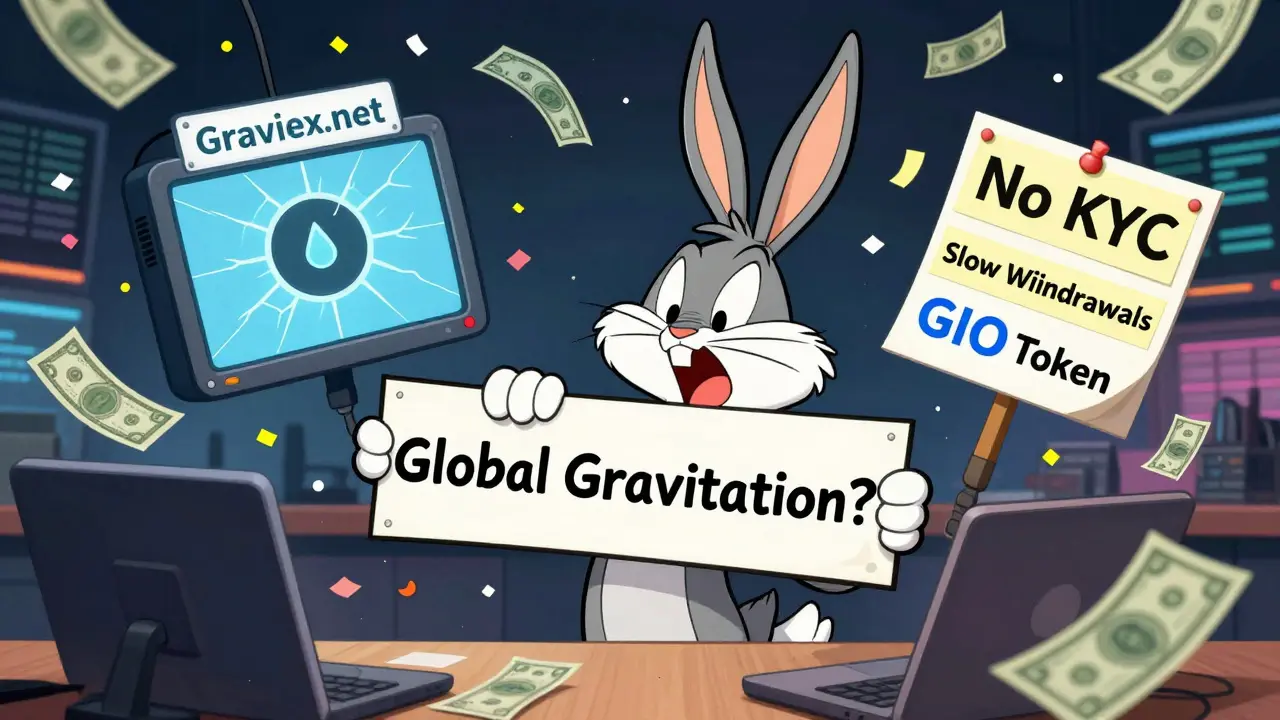
There’s no such thing as a crypto exchange called "Global Gravitation." If you’re searching for it, you’re probably mixing up two separate names: Graviex and Gravity. One is a trading platform. The other is a token. They’re not the same, and confusing them could cost you money.
Graviex.net is the real exchange - a mid-tier crypto platform based in Malta that’s been around since 2018. It’s not Binance. It’s not Coinbase. But it’s still used by thousands, especially those looking for low fees and no KYC. The platform handles over 110 cryptocurrency pairs, including Bitcoin, Ethereum, and obscure coins like VEIL and UCR. Daily trading volume hits $100 million, but don’t let that fool you - liquidity is thin on most pairs. If you try to sell a large amount of a lesser-known coin, you’ll likely get stuck with a bad price or a delayed withdrawal.
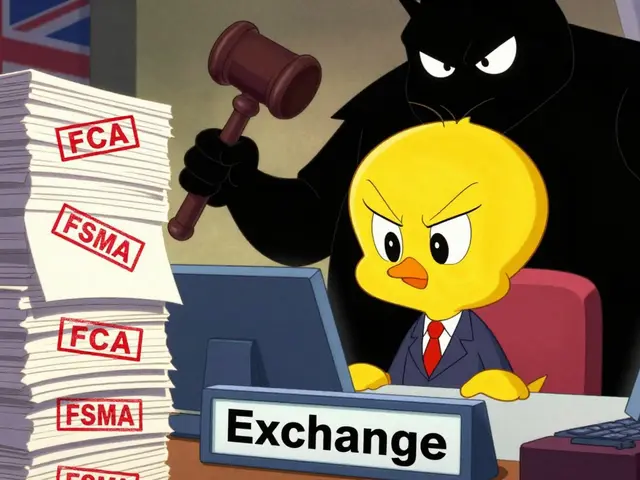
Graviex doesn’t require ID verification. That’s a plus for privacy-focused users, but it’s also a red flag. No serious exchange lets you trade without at least basic ID checks. This means you’re trading on a platform with minimal oversight. Customer support is slow, and if you run into issues with withdrawals, you’re on your own. There’s no live chat, no 24/7 phone line, just email tickets that sometimes go unanswered for days.
The interface is simple. Big buttons. Clear labels. No clutter. That’s one reason people stick with it. You can sign up in under a minute. No annoying captchas. The website loads fast. But simplicity doesn’t mean safety. The platform has a Traders Union score of 1.69 out of 10. That’s one of the lowest ratings in the industry. Experts warn against using it. Why? Because users report losing funds during withdrawals. Not because of hacks - because the exchange just doesn’t process them.
Deposits are limited. You can’t add cash with a credit card. You can’t use PayPal. Your only options are cryptocurrency deposits or fiat via Payeer - a lesser-known e-wallet that’s not widely trusted. If you’re used to funding accounts with bank transfers, Graviex will feel archaic. And there’s no mobile app. Everything happens on the web. That’s fine if you’re trading from a desktop, but a nightmare if you need to react fast to market swings.
Trading fees are low - 0.2% per order. That’s better than most. But here’s the catch: if you hold their native token, GIO, you can slash that fee in half. Hold 50,000 GIO or more, and your trading fees drop to 0.1%. That’s not a small perk. It’s a major incentive. But GIO isn’t a safe investment. Its value is tied entirely to Graviex’s survival. If the exchange crashes, GIO becomes worthless. And yes, Graviex does have a dividend program for GIO holders - you earn hourly rewards based on how much you hold. Sounds passive? It’s not. You’re betting your money on a platform with poor liquidity, no regulation, and a history of user complaints.
There’s no futures trading. No margin. No launchpad for new tokens. No staking. Just spot trading. If you want to leverage your Bitcoin or bet on price swings, you’ll need another exchange. Graviex is a basic, stripped-down platform. It’s for people who want to buy Bitcoin, hold it, and maybe trade a few altcoins without paying high fees. Not for active traders, not for investors looking for growth tools.
The referral program is real. Invite someone, they deposit $40, make a trade, and you get Bitcoin. Simple. Fast. No delays. But again - you’re rewarding people to join a risky platform. And the faucet? Yes, Graviex gives away over 15 free cryptocurrencies daily. It’s a gimmick. You’ll get pennies worth of coins. But if you’re just starting out, it’s a way to dip your toes in without spending a cent.
Bitcoin itself is in a strange place in 2026. After dropping 6% in 2025, institutional demand is still strong. Spot ETFs are driving steady inflows. But that doesn’t help Graviex. It’s not a major player in the institutional market. It’s a niche exchange for retail users who value anonymity over security. And in a market where hacks and scams are still common, that’s a dangerous trade-off.
If you’re looking for a Bitcoin exchange with strong security, fast withdrawals, and real customer support, Graviex isn’t it. There are dozens of better options. If you’re okay with high risk for low fees and no ID checks, then maybe - just maybe - Graviex fits your style. But don’t be fooled by the name "Global Gravitation." That’s not a real platform. It’s a myth created by search engine mix-ups.
How Graviex Compares to Other Exchanges
| Feature | Graviex | Binance | Kraken | Bybit |
|---|---|---|---|---|
| Trading Pairs | 110+ | 1,000+ | 500+ | 300+ |
| Minimum Deposit | $40 | $10 | $10 | $1 |
| Verification Required | No | Yes | Yes | Yes |
| Fiat Deposits (Card/Bank) | No | Yes | Yes | Yes |
| Withdrawal Speed | Slow, inconsistent | Fast | Fast | Fast |
| Trading Fees | 0.2% (0.1% with GIO) | 0.1% (lower with BNB) | 0.16% | 0.1% |
| Futures / Leverage | No | Yes | Yes | Yes |
| Customer Support | Email only, slow | 24/7 chat, ticket | 24/7 chat, phone | 24/7 chat |
| Regulation | None | Global, licensed | US-regulated | Dubai-regulated |
Why People Still Use Graviex
Even with its flaws, people keep using Graviex. Why? Three reasons.
- No KYC - If you don’t want the government or banks tracking your crypto moves, Graviex lets you trade anonymously. That’s rare these days.
- Low fees - If you trade often, the 0.1% fee with GIO tokens saves you money compared to bigger exchanges.
- Free coins - The faucet gives away small amounts of 15+ cryptos daily. For beginners, it’s a risk-free way to learn.
But here’s the truth: none of these reasons make Graviex safe. Anonymity doesn’t mean secure. Low fees don’t mean reliable. Free coins don’t mean trustworthy.

What You Should Do Instead
If you’re looking to buy Bitcoin in 2026, here’s what actually works:
- Use a regulated exchange like Kraken or Binance. They have insurance, audits, and real customer service.
- Store your Bitcoin in a hardware wallet like Ledger or Trezor. Never leave it on an exchange longer than you need to.
- If you want low fees, use an exchange that rewards you for holding their native token - like Binance with BNB - not one tied to a coin with no real utility.
- Avoid platforms with no clear leadership, no public team, and no history of resolving user complaints.
Graviex might look tempting. But in crypto, the cheapest option is rarely the best. The safest option is usually the one with transparency, accountability, and a track record.
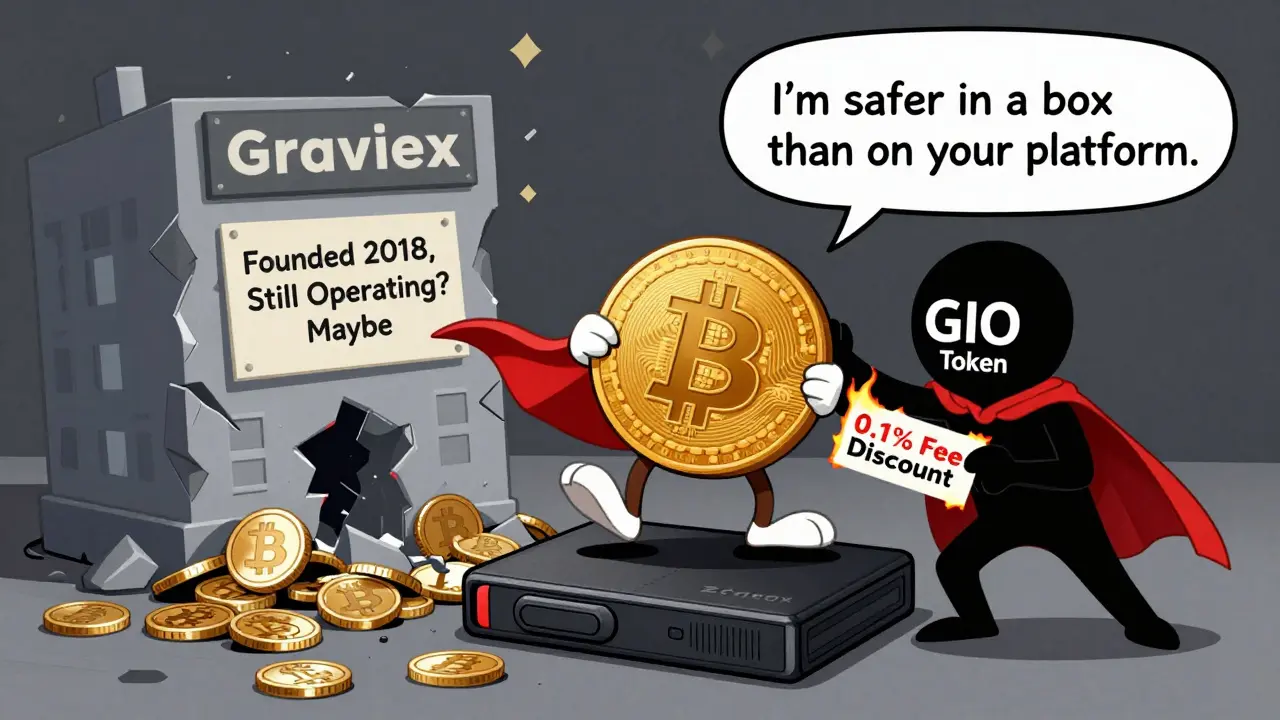
Is GIO Token Worth Holding?
GIO is Graviex’s own token. Hold it, and you get lower fees. Hold 50,000 or more, and fees drop by half. Sounds smart? It’s not.
GIO has no real use outside Graviex. No DeFi integration. No staking on other chains. No partnerships. It’s not listed on major exchanges. Its only value is as a fee discount on a platform that might not exist next year.
Graviex’s dividend program pays you hourly in GIO based on your balance. That sounds like passive income. But it’s just a way to lock you into their ecosystem. The more GIO you hold, the more you rely on them. And if they vanish? Your "rewards" vanish too.
Don’t buy GIO as an investment. Buy it only if you’re already trading on Graviex and want to cut fees. Even then, keep it in small amounts. Treat it like a coupon - not a coin.
Final Verdict
Graviex isn’t a scam. But it’s not a safe choice either. It’s a risky, outdated platform that survives because it caters to users who don’t care about security - only convenience and anonymity. If you’re a beginner, avoid it. If you’re experienced and understand the risks, you can use it for small trades. But never deposit more than you can afford to lose.
And remember: "Global Gravitation" doesn’t exist. If you see it advertised, it’s a fake site trying to trick you. Stick to Graviex.net if you must. But know what you’re getting into.