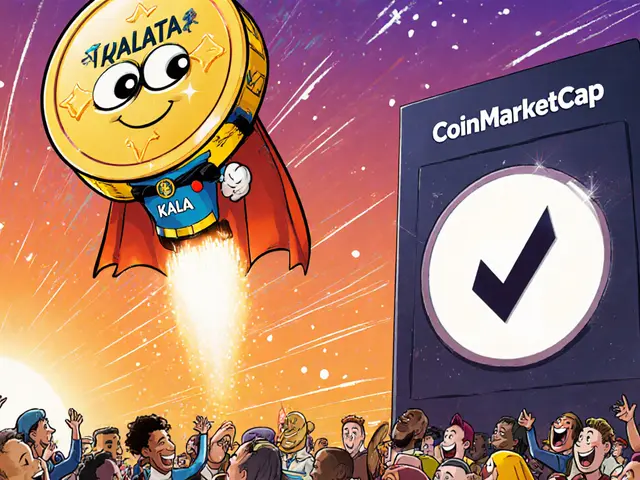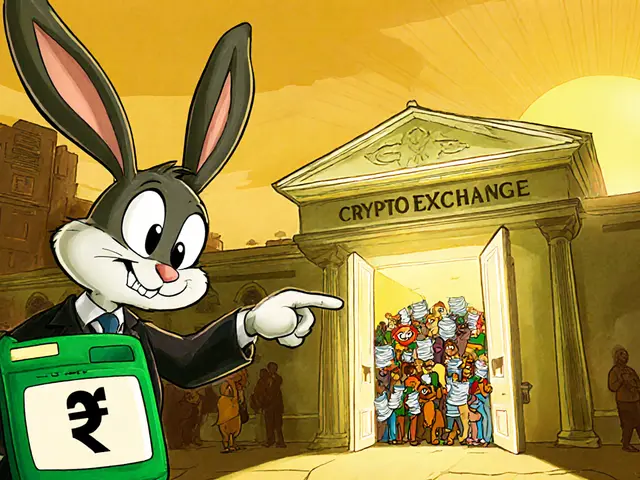

Five years ago, if you were caught using Bitcoin in Bolivia, you could face fines or even have your bank account frozen. The Central Bank of Bolivia had banned all cryptocurrency transactions since 2014, calling it a threat to national financial stability. But that changed in 2024 - and not with a whisper, but a roar.
On June 26, 2024, Bolivia officially lifted its decade-long crypto ban through Resolution No. 82/2024. This wasn’t a half-measure. It was a full pivot. The government didn’t just stop blocking crypto - it started building a legal system around it. Today, Bolivians can legally buy, sell, and hold Bitcoin, Ethereum, and stablecoins like USDT and USDC without fear of punishment. The real question isn’t how they bypassed the ban - because there is no ban anymore - but how they went from zero to over 500% more crypto usage in just one year.
From Ban to Legal Framework: What Changed
The ban wasn’t lifted because Bolivia suddenly fell in love with blockchain. It was lifted because the economy was collapsing. The boliviano had lost over 40% of its value against the U.S. dollar between 2020 and 2023. Inflation hit 12% in 2023. People couldn’t trust their own money. Savings vanished. Remittances from abroad became harder to receive. That’s when crypto stopped looking like a risk and started looking like a lifeline.
The Central Bank of Bolivia (BCB) didn’t just remove the ban. It created a new rulebook. In April 2025, Resolution No. 019/2025 officially recognized virtual assets and the companies that handle them - called Virtual Asset Service Providers (VASPs). Then, in May 2025, Supreme Decree No. 5384 gave the legal teeth to that recognition. Now, every crypto exchange, wallet provider, or trading platform operating in Bolivia must register with the government, follow anti-money laundering rules, and keep clear records.
This isn’t chaos. It’s structure. And it’s working. Over 1.2 million Bolivians now use crypto regularly - up from just 200,000 before the ban was lifted. That’s nearly 10% of the population. Most aren’t speculating on Bitcoin. They’re using USD-pegged stablecoins to protect their savings, pay for imports, or receive money from family abroad.
How Bolivians Use Crypto Today
Most Bolivians don’t trade on Binance or Coinbase. They use local platforms that comply with Bolivia’s new rules. Apps like Bolícoin and BitBol have become household names. These platforms let users buy stablecoins with cash at local kiosks, pay bills in USD, or send money to family in Argentina or Chile without waiting days for bank transfers.
One mother in Cochabamba told me she uses USDT to buy medicine online from pharmacies in Peru. She used to lose 15% of her money to exchange fees and delays. Now, she sends bolivianos to a local agent, gets USDT instantly, and pays for her daughter’s asthma inhalers in dollars. No banks involved. No waiting. No hidden fees.
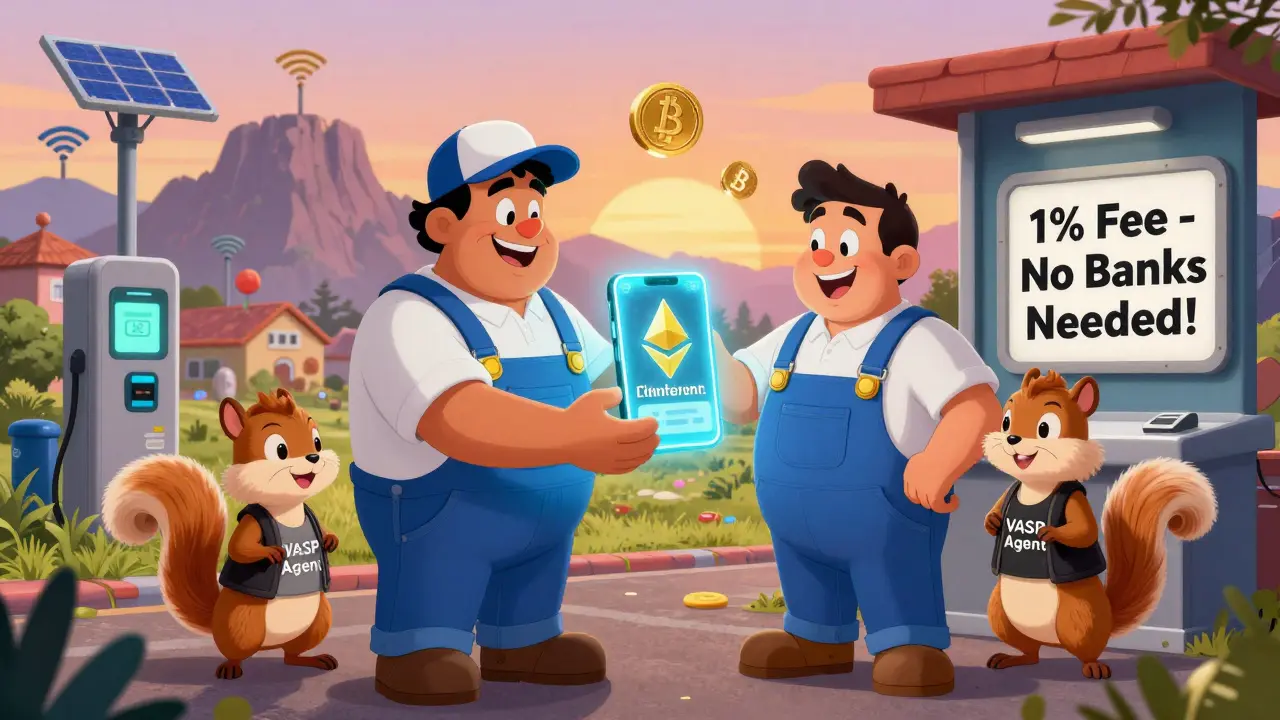
Remittances are the biggest driver. Over 800,000 Bolivians live abroad, mostly in Spain, the U.S., and Argentina. Before 2024, sending money home took 3-5 days and cost up to 12%. Now, many send crypto. A worker in Miami can send $500 in USDT to their family in La Paz in under 10 minutes. The recipient gets it in their wallet, then cashes out at a local exchange kiosk for bolivianos at a 1% fee. That’s a 90% drop in cost.
Even small businesses are adopting crypto. A bakery in Santa Cruz now accepts USDT for bread. A mechanic in Tarija takes ETH for repairs. They convert it to bolivianos the same day through regulated VASPs. The volatility doesn’t hurt them because they don’t hold crypto - they use it as a payment tool, not a savings account.
Stablecoins Are the Real Hero
Bitcoin and Ethereum are flashy, but they’re not what’s moving the needle in Bolivia. It’s stablecoins. USDT and USDC make up over 85% of all crypto transactions in the country. Why? Because they’re stable. They’re tied to the U.S. dollar. And in a country where the boliviano keeps losing value, that’s priceless.
The Central Bank of Bolivia even started using stablecoins itself - not for speculation, but for real operations. In March 2025, the BCB began using USDT for cross-border payments with international suppliers. It’s faster, cheaper, and more transparent than traditional banking. And it’s legal.
There’s no need to hide. No need to use a VPN or a fake ID. You don’t need to find a shady peer-to-peer trader. You walk into a local shop, hand over cash, and walk out with USDT on your phone. The government doesn’t just allow it - it certifies the vendors. There are over 3,000 licensed cash-in/cash-out points across the country.
International Partnerships Make It Work
Bolivia didn’t build this alone. In early 2025, the Central Bank signed a Memorandum of Understanding with El Salvador - the only country in the world that made Bitcoin legal tender. The agreement lets both nations share tools to track illegal crypto activity, train regulators, and monitor suspicious transactions. El Salvador’s experience with Bitcoin helped Bolivia avoid the same mistakes.
El Salvador’s National Commission for Digital Assets (CNAD) now trains Bolivian regulators on blockchain intelligence, KYC protocols, and how to shut down scam platforms. Bolivia learned fast: instead of banning crypto, they regulate it. Instead of fearing innovation, they control it.
What About Scams?
Of course, not everyone is honest. Scammers tried to exploit the chaos. Fake exchanges popped up. Fake wallets promised 200% returns. Some people lost money.
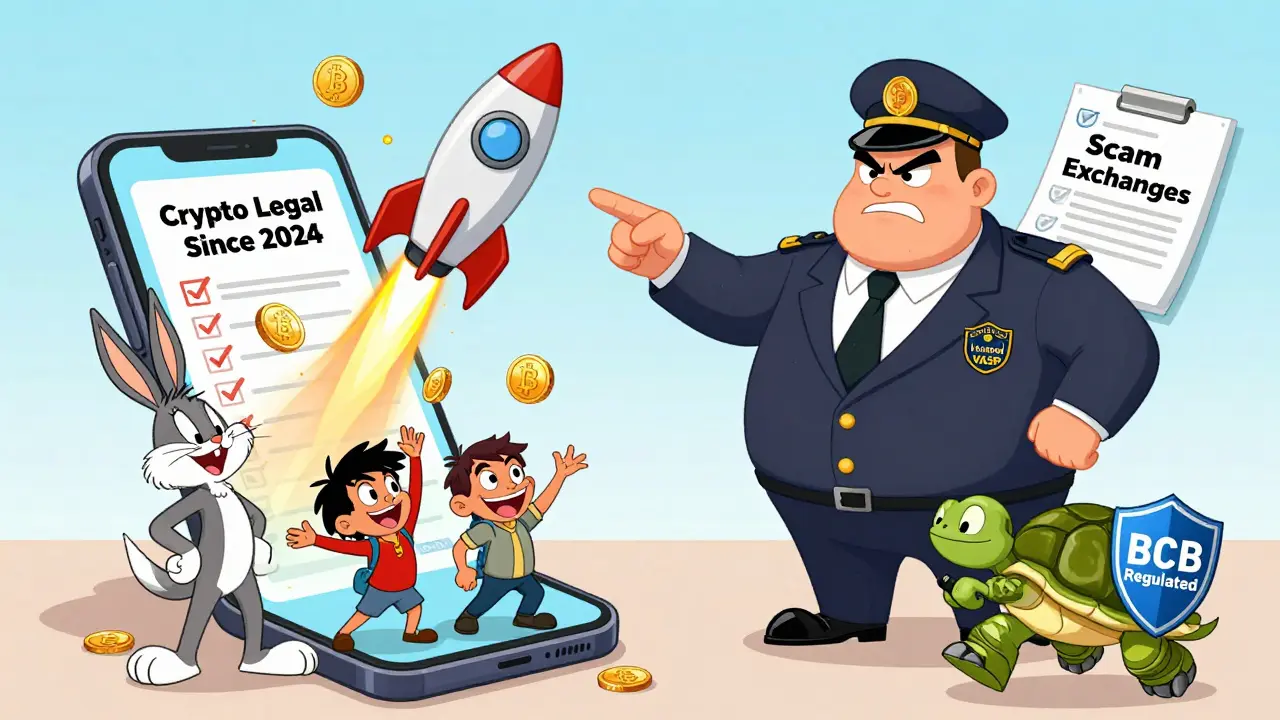
But the government responded quickly. By late 2025, the BCB had shut down 47 fraudulent platforms and fined 12 companies for operating without licenses. They also launched public education campaigns - billboards, radio ads, even TikTok videos - teaching people how to spot scams, verify licensed providers, and protect their wallets.
Today, if you want to use crypto in Bolivia, you check the BCB’s official list of licensed VASPs. It’s updated weekly. You can download it as a PDF or find it on their website. If a platform isn’t on that list, it’s illegal. Period.
Why This Matters Beyond Bolivia
Bolivia’s story isn’t just about crypto. It’s about what happens when a country chooses practicality over ideology. They didn’t ban crypto because they feared technology. They banned it because they feared losing control. But when the economy broke, they chose control through regulation - not prohibition.
Other countries watching Bolivia include Argentina, Venezuela, and Nigeria - all places where people turned to crypto out of necessity. Bolivia proved you don’t need to outlaw crypto to protect your currency. You just need to regulate it well.
The result? A country that was once one of the most crypto-restrictive in the world is now one of the fastest-growing digital asset markets in Latin America. And it happened without violence, without chaos, and without a single person having to break the law.
What’s Next for Bolivia?
The government is now working on a digital boliviano - a central bank digital currency (CBDC) - that could coexist with stablecoins. It’s not meant to replace crypto. It’s meant to work alongside it.
There are still challenges. Rural areas still lack internet. Not everyone has a smartphone. But the infrastructure is growing. Solar-powered charging stations are being installed in remote towns. Internet access is expanding through public Wi-Fi projects.
Bolivia’s crypto journey shows something powerful: when people need a better way to move money, they’ll find it - even if the government tries to stop them. But when the government listens, adapts, and builds a real system - everyone wins.
Is cryptocurrency still banned in Bolivia?
No. Bolivia lifted its decade-long cryptocurrency ban on June 26, 2024. Since then, owning, trading, and using crypto - including stablecoins like USDT and USDC - is fully legal. The government now regulates crypto through licensed service providers.
Can I buy Bitcoin in Bolivia today?
Yes. You can buy Bitcoin and other cryptocurrencies through licensed local platforms like Bolícoin and BitBol. These services let you pay with cash at kiosks or bank transfers. You can also use international exchanges like Binance, but you must comply with Bolivia’s reporting rules if you’re withdrawing funds.
Why are stablecoins so popular in Bolivia?
Stablecoins like USDT and USDC are pegged to the U.S. dollar, which makes them stable compared to the boliviano, which has lost over 40% of its value since 2020. People use them to save money, pay for imports, or receive remittances without losing value to inflation or high bank fees.
Do I need a bank account to use crypto in Bolivia?
No. You don’t need a bank account. Many Bolivians use cash-to-crypto kiosks operated by licensed VASPs. You walk in, hand over bolivianos, and get stablecoins on your phone. This is especially common among unbanked populations - over 30% of Bolivians don’t have a traditional bank account.
Are crypto transactions taxed in Bolivia?
As of 2026, personal crypto transactions are not taxed. The government is still studying how to tax capital gains from crypto trading, but no formal rules have been implemented yet. Businesses that accept crypto as payment must report income, but individuals buying or holding crypto for personal use are not currently taxed.