
You've likely come across a platform calling itself Abby Global and are wondering if it's a safe place to park your money. In the fast-moving world of digital assets, a quick search for reviews is the first line of defense. However, when you try to find actual data on this specific entity, you hit a brick wall. There are no official registrations, no verified user histories, and no presence in major industry directories. This is a massive red flag.
The core problem here isn't just a lack of reviews-it's a complete absence of a verifiable business entity. In the crypto space, if a platform claims to be a global exchange but doesn't have a traceable footprint, you aren't looking at a "hidden gem." You're likely looking at a ghost platform or a sophisticated phishing attempt. Before you send a single Satoshi to any address associated with this name, we need to look at what's actually happening under the hood of the crypto industry and why this specific name is so suspicious.
The Red Flags: Where is the Evidence?
When we analyze a legitimate trading platform, we look for a "paper trail." This includes a registered business address, a clear terms of service agreement, and a visible team of executives. Abby Global has none of these. After scouring authoritative data from security firms and blockchain analytics providers, there is zero evidence that a cryptocurrency exchange by this name actually exists.
Interestingly, there is a company called ABM Global Compliance Canada. They provide compliance services and digital wallet solutions. While they are a real business, they are not a retail crypto exchange. Scammers often use names that sound similar to real, compliant companies to trick people into feeling a false sense of security. If you're seeing a trading interface branded as "Abby Global," it's highly probable that someone is simply riding the coattails of a legitimate compliance firm to lure in victims.
What a Real Exchange Actually Looks Like
Since we can't find a legitimate Abby Global to review, the best way to protect yourself is to know what a real, secure exchange actually provides. If a platform doesn't meet these industry standards, it's a gamble you shouldn't take. Reputable platforms prioritize Cold Storage, which means they keep the majority of user funds in offline wallets to prevent hacking. If a site tells you your funds are "guaranteed" but doesn't explain their custody model, walk away.
Another pillar of legitimacy is KYC/AML Compliance. While nobody likes giving away their ID, a platform that lets you deposit large sums without any "Know Your Customer" (KYC) or "Anti-Money Laundering" (AML) checks is usually operating illegally or is a scam designed to vanish once they've collected enough deposits. Legitimate entities use these processes to satisfy regulators and prevent fraud.
| Feature | Reputable Exchange | Suspicious Platform (e.g., Abby Global) |
|---|---|---|
| Company Registration | Publicly verifiable, regulated | Hidden or fake addresses |
| Security Protocols | Cold storage, 2FA, HSMs | Vague claims of "high security" |
| User History | Thousands of independent reviews | Zero or only "too-good-to-be-true" reviews |
| Withdrawal Process | Standardized, transparent fees | Requests "taxes" or "fees" to unlock funds |

The Anatomy of a Crypto Scam
If you've already interacted with this platform, you might be seeing a common pattern. Many fraudulent sites start by giving you a great experience: your dashboard shows massive gains, and the interface looks professional. They might even let you withdraw a small amount of money early on to build trust. This is a psychological trick called "the lure."
The trap snaps shut when you try to withdraw a significant amount. Suddenly, you're told you need to pay a "withdrawal tax" or a "verification fee" in advance. This is the biggest warning sign in the industry. Real exchanges deduct fees from your existing balance; they never ask you to send more money to release your own funds. If you're asked for an upfront payment to get your money back, you are being scammed.
Advanced Security Standards to Demand
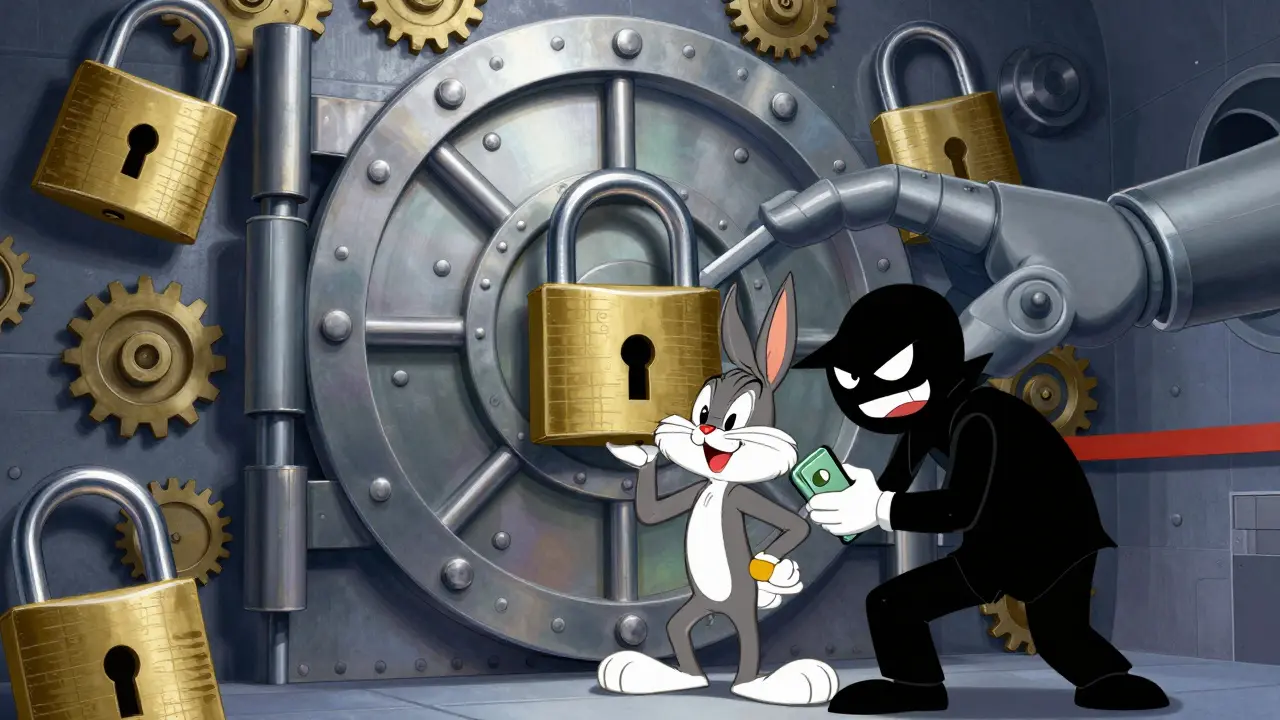
For those who want to move beyond the basics, look for platforms that implement Multi-Party Computation (MPC) wallets. This technology, used by firms like Fireblocks, ensures that no single person has the key to the funds. Instead, the key is split among multiple parties, requiring a quorum to authorize a transaction. This eliminates the "single point of failure" risk.
Additionally, check if the exchange uses Endpoint Detection and Response (EDR) tools. Top-tier security operations use software like SentinelOne or CrowdStrike to monitor their internal systems for intrusions in real-time. If a platform's "About Us" page is just generic marketing fluff and doesn't mention their security infrastructure, they aren't taking your assets seriously.
How to Protect Your Assets Today
If you're unsure about a platform, don't trust the comments section of a random social media post. Use tools like Chainalysis or other on-chain monitoring services if you have the means, or simply stick to exchanges with a multi-year track record. A simple rule of thumb: if you can't find the CEO's name or the company's registered legal entity in a government database, don't give them your money.
Always enable Two-Factor Authentication (2FA) using an app like Google Authenticator or a hardware key, rather than SMS. SMS-based 2FA is vulnerable to SIM-swapping attacks, which are common targets for hackers aiming at exchange users. Your security is only as strong as your weakest link.
Is Abby Global a legitimate cryptocurrency exchange?
There is no verifiable evidence that Abby Global exists as a legitimate cryptocurrency exchange. It does not appear in industry registries or authoritative security reports. It is likely either a misspelling of ABM Global Compliance (which is not an exchange) or a fraudulent platform. Exercise extreme caution.
What should I do if I already deposited money into Abby Global?
Stop sending money immediately. Do not pay any "taxes" or "withdrawal fees" to get your funds back, as this is a common secondary scam. Document all your transactions and communications, and report the incident to your local financial authorities and cybercrime units.
How can I tell if a crypto exchange is a scam?
Look for red flags such as: a lack of verifiable company registration, promises of guaranteed high returns, requests for one-time payments to withdraw funds, and an absence of real user reviews on independent platforms. Legitimate exchanges have clear KYC processes and transparent fee structures.
What is the difference between ABM Global and Abby Global?
ABM Global Compliance Canada is a real company providing compliance and digital wallet services. Abby Global appears to be a name used by unofficial or potentially fraudulent entities. One is a professional services firm; the other is a non-existent exchange.
What are the safest ways to store my crypto?
The safest method is using a hardware wallet (cold storage), where your private keys are kept offline. If you must use an exchange, choose one with a long track record, robust 2FA, and a clear history of using MPC wallets and third-party security audits.