Key Takeaways
- Prioritize security and regulatory compliance over low fees.
- Check for third-party audited Proof of Reserves to ensure your funds actually exist.
- Match the platform to your skill level: beginners should stick to simplified interfaces, while pros need advanced charting and API access.
- Verify regional availability, as many global giants are restricted in specific countries like the U.S. or Canada.
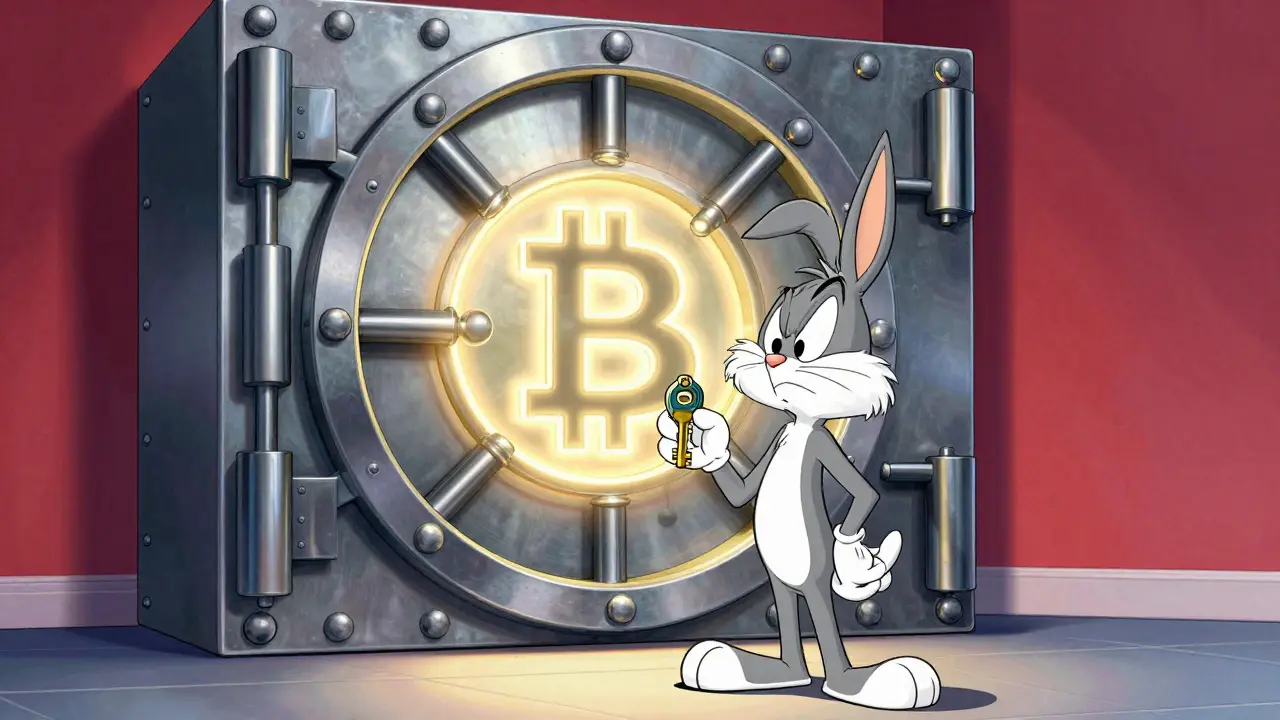
Security First: Don't Gamble With Your Capital
If an exchange has a great app but vague security practices, walk away. In the current market, a few features are non-negotiable. First, look for Cold Storage, which is the practice of keeping the majority of user funds in offline wallets to prevent hacking. For instance, Kraken has reported keeping 98% of funds in cold wallets. If a platform keeps everything "hot" (online), one breach could wipe out everyone. Then there is the "Proof of Reserves" (PoR). This is a public record showing that the exchange actually holds the assets they claim to have for their users. But be careful: not all PoR are created equal. Some platforms only verify a small fraction of their assets. You want to see a third-party audit report, not just a self-published spreadsheet. If you can't find a verified audit from a reputable firm, the risk is significantly higher.Understanding the Cost of Trading
Fees can eat your profits faster than a market dip. Most platforms use a "Maker-Taker" model. A Maker is someone who adds liquidity to the order book (setting a limit order), while a Taker removes it (buying at the current market price). Takers usually pay more. For those moving massive volumes, Binance offers incredibly low maker fees, sometimes dipping to 0.02% for VIP levels. However, if you are a casual user, you might find Coinbase more intuitive, even though they charge a premium. In fact, Coinbase fees can average 0.55%, which is significantly higher than the global average of 0.10% seen on some international platforms. Ask yourself: is the ease of use worth the extra 0.4% per trade?| Exchange | Primary User Base | Avg. Fee Level | Security Focus | Asset Variety |
|---|---|---|---|---|
| Coinbase | Beginners / US | High | Regulatory Compliance | Moderate (350+) |
| Binance | Global / Pro | Very Low | Liquidity / Volume | Very High (7000+) |
| Kraken | Experienced / US | Moderate | Cold Storage / Audits | High |
| Bybit | Derivatives Traders | Low | High Leverage Tools | Moderate |
Matching the Platform to Your Trading Style
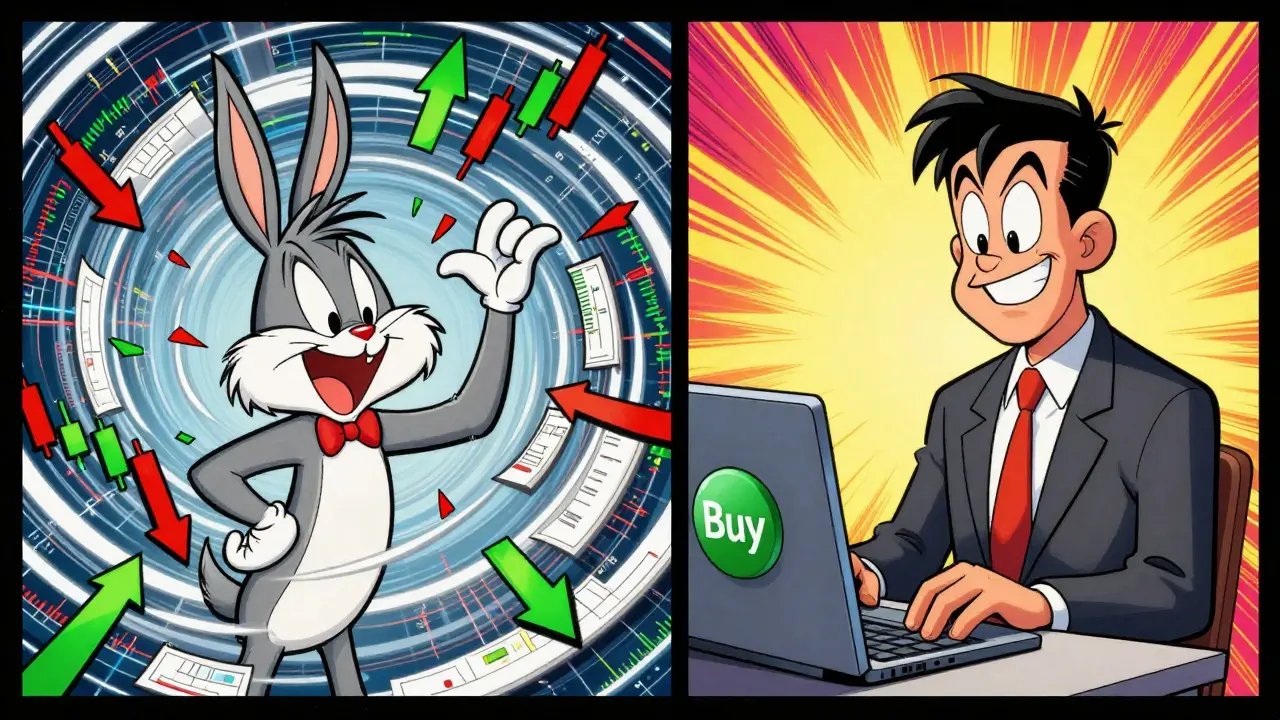
Not all traders need the same tools. If you're just buying some Bitcoin for your retirement account, a complex dashboard with 20 different candlesticks and depth charts will just confuse you. Platforms like Robinhood prioritize a mobile-first experience, making it possible to get proficient in about an hour. On the flip side, if you're into Derivatives Trading-which involves contracts that derive their value from an underlying asset, often used for hedging or speculation with leverage-you need a specialized beast. Bybit dominates this space, offering up to 100x leverage on Bitcoin perpetual contracts. This is powerful but dangerous; a 1% move in the wrong direction can liquidate your entire position. For this level of trading, you need a platform with high uptime and deep liquidity to avoid "slippage," where your trade executes at a price different from what you intended.The Regulatory Maze: Where Do You Live?
Your location dictates your options. This is where many beginners get stuck. You might find a great deal on a global exchange only to realize it's blocked in your country. For example, the U.S. government has been very aggressive with the SEC and DOJ, leading to Binance completely exiting the American market. If you are in the U.S., you'll likely be looking at Coinbase or Kraken, which hold MSB Licensing (Money Services Business) to operate legally across various states. In Europe, the MiCA (Markets in Crypto-Assets) framework now requires exchanges to hold specific regulatory capital, meaning you should check if your chosen platform is MiCA-compliant to ensure they aren't just operating in a legal gray area.
Evaluating Customer Support and Onboarding
Imagine your account gets locked during a massive market rally. Do you want a bot that gives you canned responses, or a human who can actually help? Customer support is the most overlooked metric until something goes wrong. Some platforms are notorious for identity verification (KYC) delays that can take 72 hours or more. If you value speed, look for platforms with high ratings for their support ticket resolution. Kraken, for instance, has a track record of resolving the vast majority of their email inquiries within 24 hours. Contrast that with some global giants where you might wait days for a response while your funds are frozen. Check recent Reddit threads or Trustpilot reviews-not the top ones, but the ones from the last 30 days-to see the current state of their support.The Final Checklist: Before You Deposit
Before you send your hard-earned money, run through this quick mental check:- Does this exchange have a third-party audited Proof of Reserves?
- Is the platform licensed to operate in my specific country or state?
- Do the fees align with how often I plan to trade?
- Does it support the specific coins I actually want to buy?
- Is there a dedicated mobile app that I find intuitive?
- Do I have a plan to move my funds to a private wallet for long-term storage?
What is the difference between a CEX and a DEX?
A CEX (Centralized Exchange) is managed by a company that holds your keys and manages the trades, like Coinbase. A DEX (Decentralized Exchange) allows you to trade directly from your own wallet using smart contracts, meaning you never give up control of your private keys, but you lose the customer support and ease of use provided by a central company.
How do I know if my funds are safe on an exchange?
No exchange is 100% safe, but you can reduce risk by checking for Proof of Reserves, ensuring they use cold storage for the bulk of assets, and checking their regulatory licenses. The safest move for large amounts of money is always to move them to a hardware wallet.
Why are some exchanges so much cheaper than others?
Low-cost exchanges usually rely on massive trading volumes to make money, or they might use "Payment for Order Flow" (PFOF), where they get paid by market makers to send trades their way. Premium-priced exchanges often invest more in regulatory compliance and a more user-friendly interface for beginners.
What is KYC and why is it required?
KYC stands for "Know Your Customer." It's a mandatory process where you provide ID and proof of address. Exchanges do this to comply with Anti-Money Laundering (AML) laws and to prevent fraud. Without KYC, most regulated exchanges cannot let you deposit fiat currency (like USD or EUR).
Can I use one exchange for everything?
You can, but many seasoned traders use a "hybrid" approach. They might use Coinbase for easy fiat-to-crypto deposits, Bybit for high-leverage trading, and a private wallet for long-term holding. This spreads the risk so that a single platform failure doesn't wipe them out.
Next Steps and Troubleshooting
If you've picked an exchange but are stuck during the setup, here's what to do:Verification Delays: If your ID hasn't been approved after 48 hours, don't just keep resubmitting. Open a support ticket and attach a high-resolution photo of your ID. Many delays happen because of blurry images or glare on the card.
Deposit Issues: If your bank blocks the transfer, it's likely because they don't support crypto-related transactions. Try using a third-party payment provider or an alternative bank that is crypto-friendly.
First Trade Anxiety: Start with a "Limit Order" rather than a "Market Order." This allows you to set the exact price you're willing to pay, so you don't get hit by a sudden price spike the moment you click buy.
Categories