Crypto Regulations and Scams in 2025: What Actually Happened
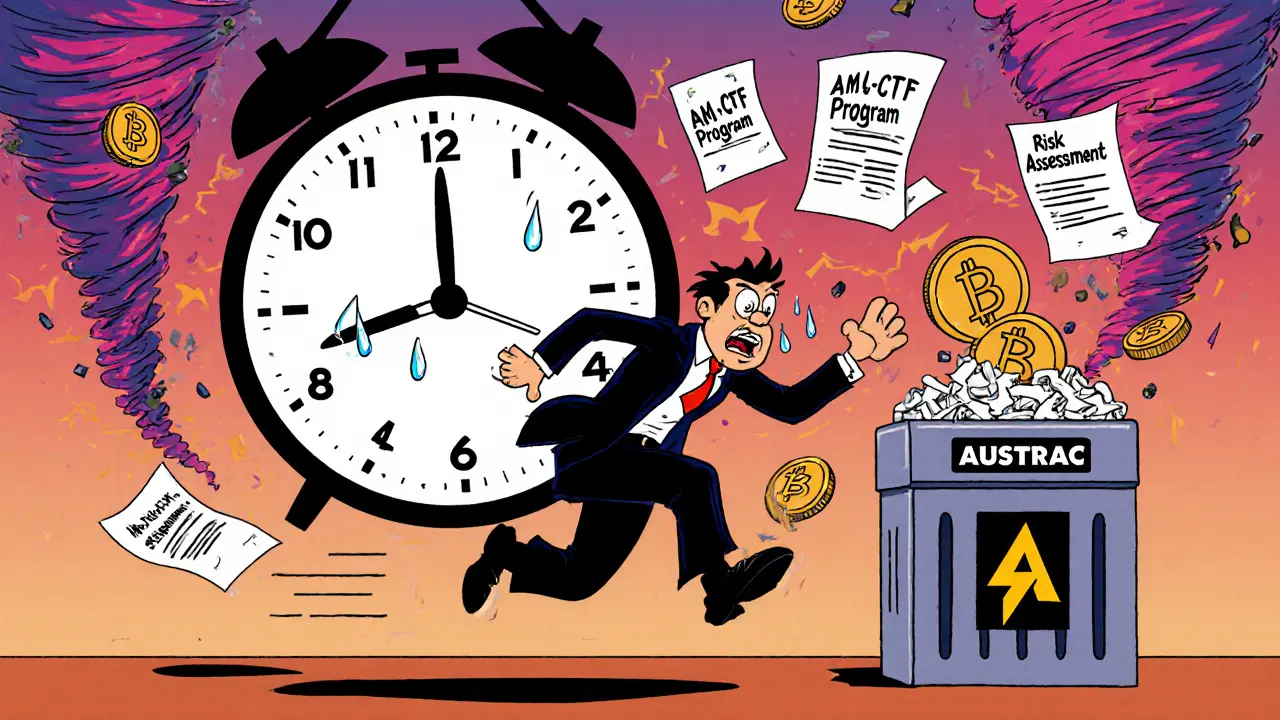
When it comes to crypto regulations, government rules that define how digital currencies can be used, traded, or taxed. Also known as cryptocurrency laws, these rules determine whether you can legally buy Bitcoin, use a DeFi app, or even cash out your earnings. In November 2025, these rules didn’t just change—they became enforcement tools. Countries like Australia, Taiwan, and Namibia moved from letting crypto exist in a gray zone to actively blocking banks from supporting it. Meanwhile, India kept growing its crypto user base despite heavy taxes, proving that regulation doesn’t stop adoption—it just pushes it underground.
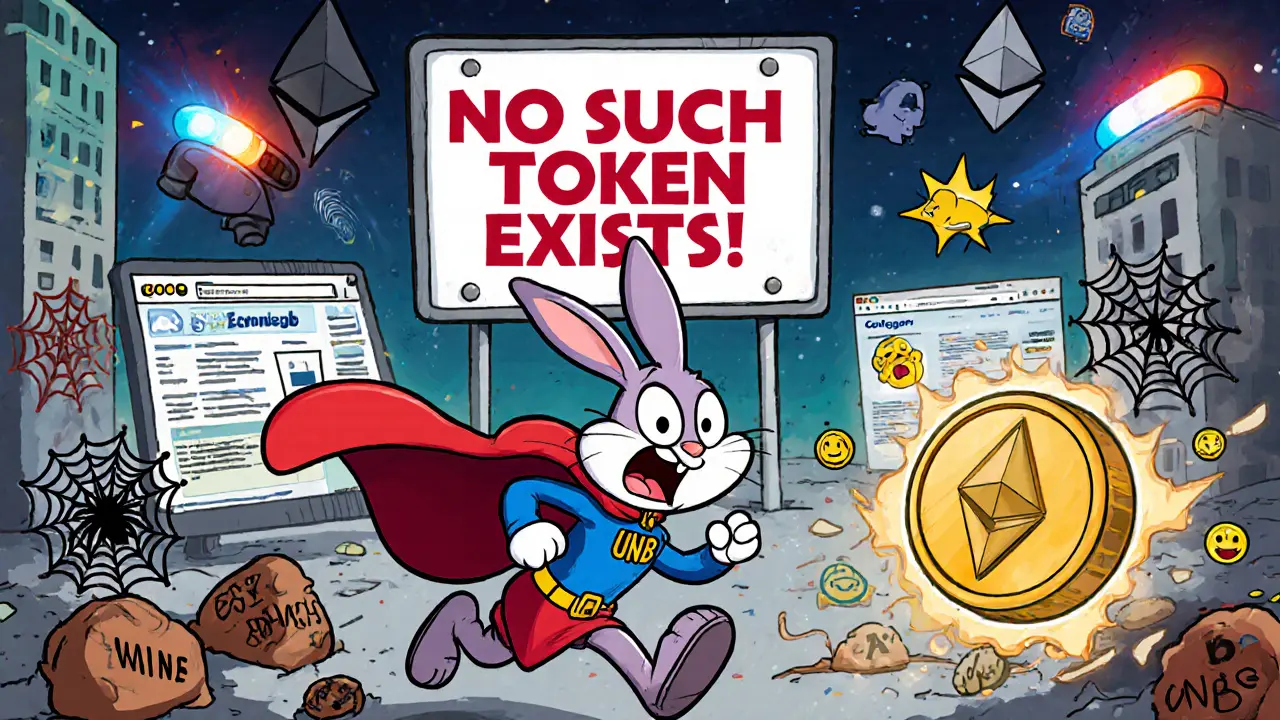
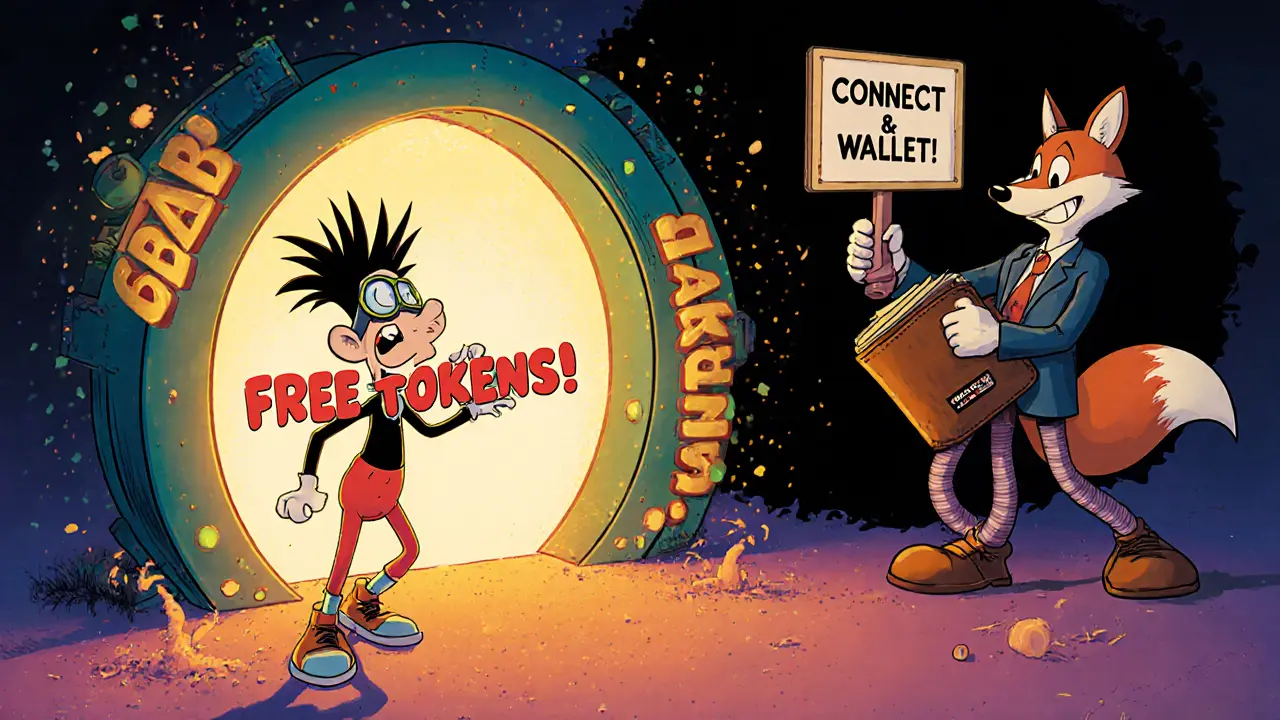
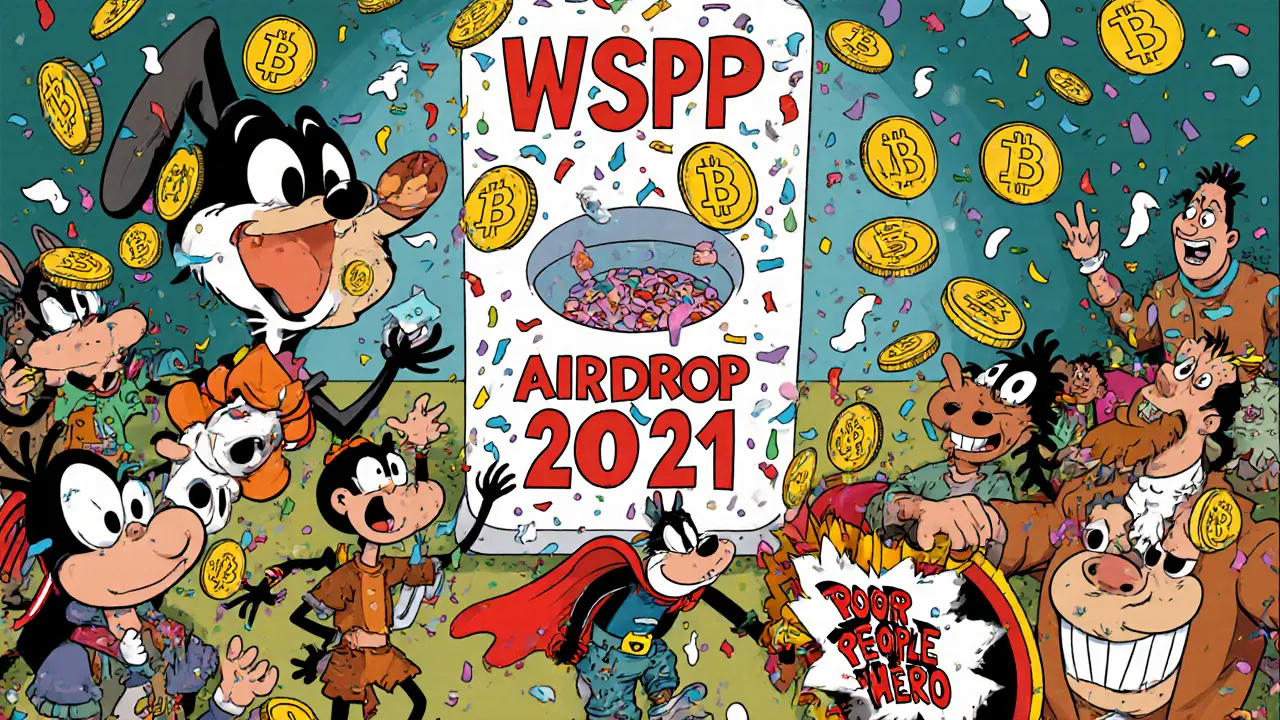
At the same time, crypto scams, fraudulent schemes pretending to give away free tokens or promise high returns. Also known as crypto airdrop scams, these rely on urgency, fake websites, and stolen wallet keys to steal money. This month alone, at least six fake airdrops were exposed: BAKECOIN, Unbound NFTs, WSPP, PVU, and others. Each one asked users to send crypto first—something no real project ever does. These scams didn’t just target beginners. Even experienced traders got caught because the sites looked real, used official logos, and copied the wording of legitimate platforms like CoinMarketCap.
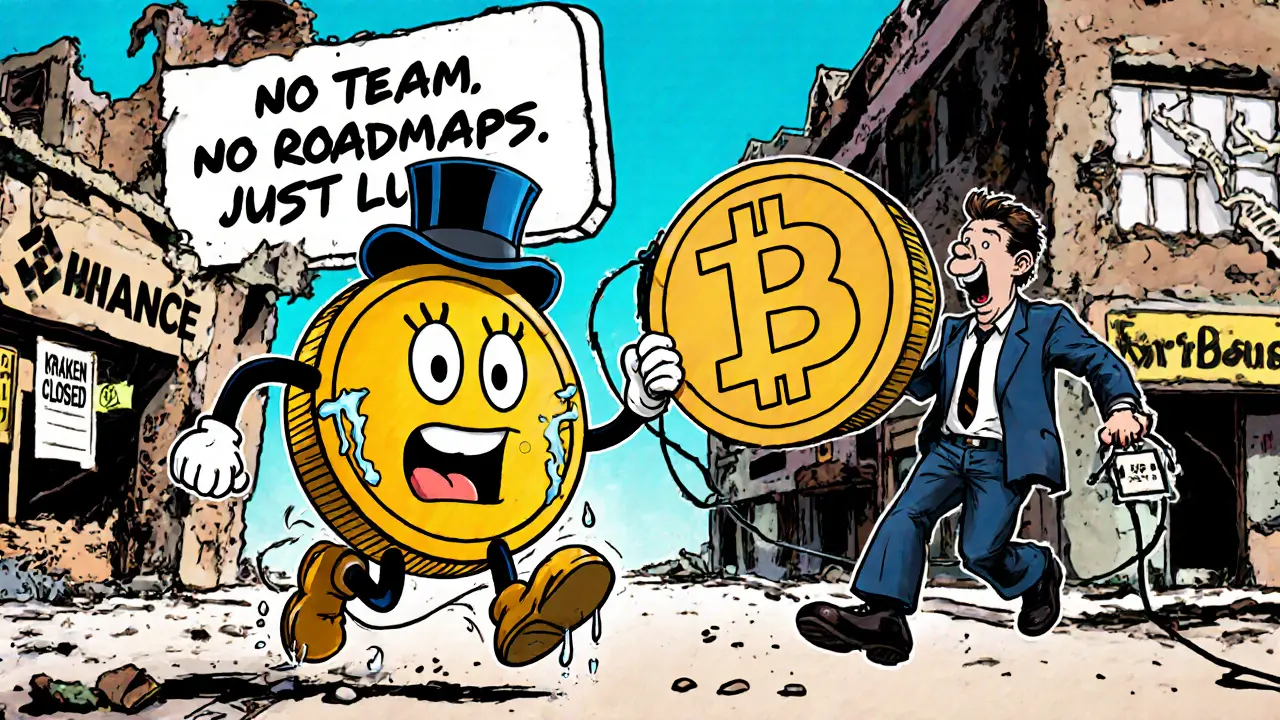
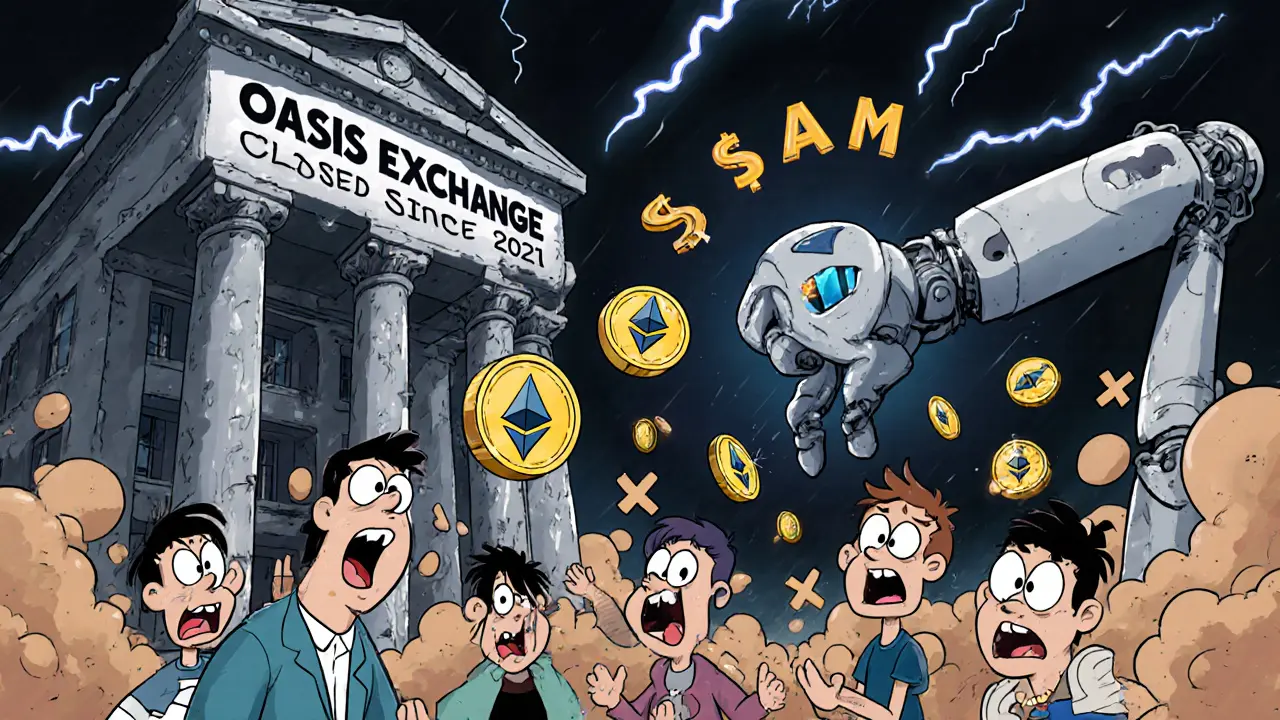
crypto exchanges, platforms where people buy, sell, or trade digital assets. Also known as crypto trading platforms, they’re the gateway to the blockchain economy. But in November, more than half the exchanges reviewed here were dead or fake. Oasis Swap vanished in 2021 but still showed up in search results. Shido DEX had zero trading volume. Neblidex had no team, no audits, and no support. And StormGain DEX? It shut down after merging with YouHodler. People still searched for them because they remembered the names. That’s the problem: the internet keeps dead platforms alive in search results while new scams pop up daily.
What connects all these posts? Real people trying to make sense of a messy system. They want to know if they can safely use crypto in their country. They want to know if a free token offer is real. They want to know which exchange won’t disappear tomorrow. The answers aren’t in marketing pages or YouTube ads. They’re in the details: the regulatory filings, the transaction histories, the wallet addresses tied to scams. This archive collects those details. No fluff. No hype. Just what happened, who got hurt, and what to watch for next.


Categories