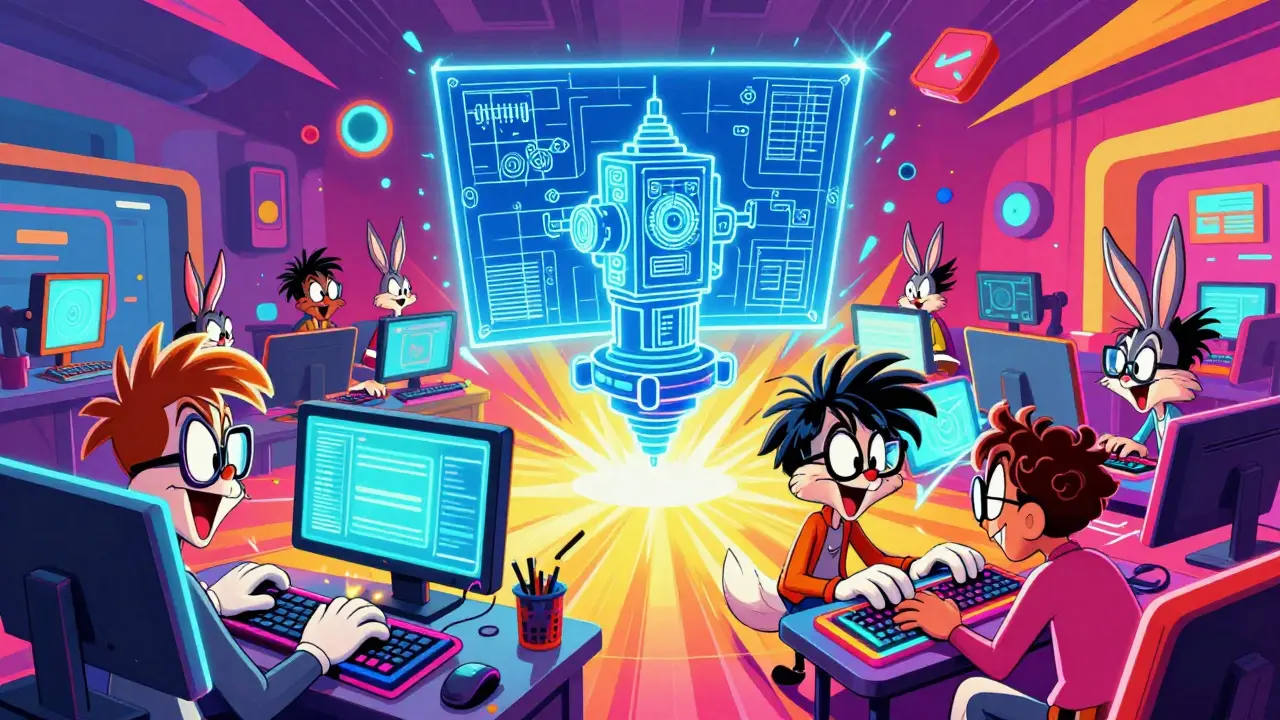
Imagine a world where the gap between a brilliant idea and a working product isn't a lack of funding, but a lack of the right people. Most hackathons end the moment the winners are announced; the projects are presented, the prizes are handed out, and then the code gathers digital dust. TAIKAI is a blockchain-based hackathon and open innovation platform designed to stop that cycle. It doesn't just host competitions; it builds a pipeline for long-term project growth.
The Core of the TAIKAI Ecosystem
At its heart, TAIKAI is a matchmaker. It connects companies who have specific problems to solve with developers who have the skills to solve them. But unlike a traditional job board or a one-off competition, TAIKAI uses a structured system to manage everything from registration to the final evaluation. This removes the administrative headache that usually kills the momentum of open innovation.
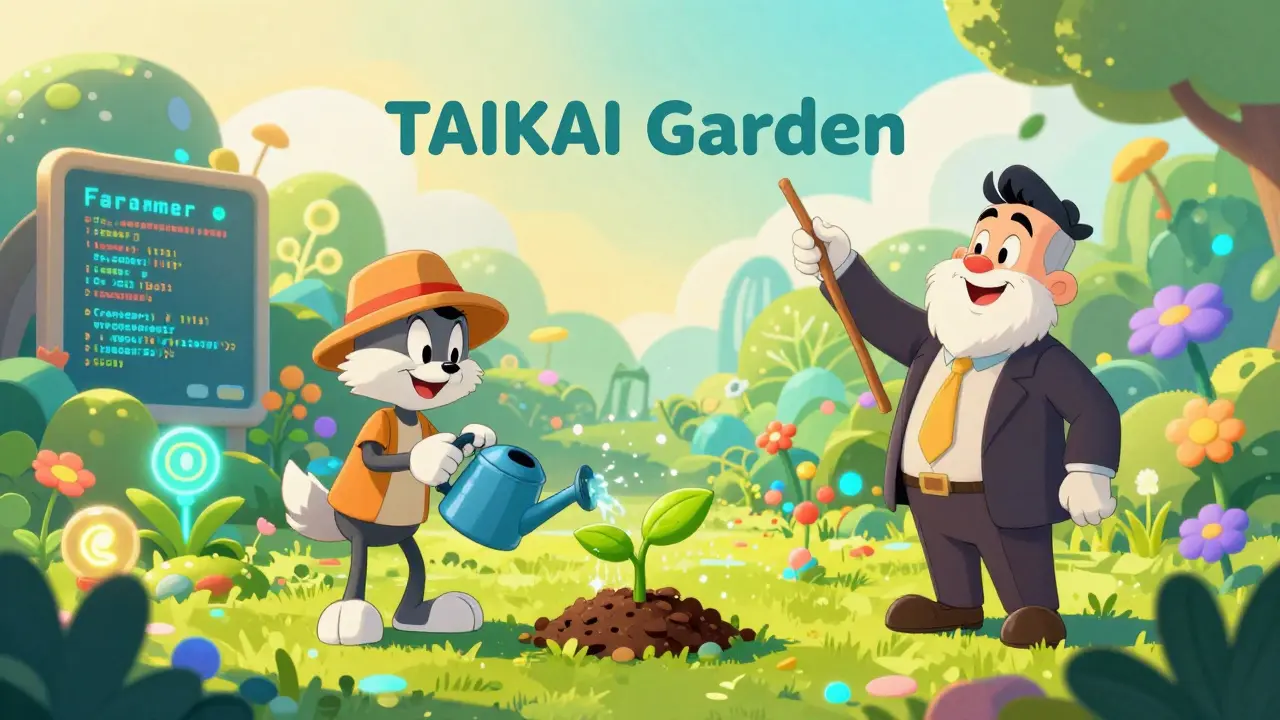
The ecosystem is split into two main phases. First, there is the main TAIKAI Platform, where the actual hackathons happen. This is the "sprint" phase. Then, there is the TAIKAI Garden, which acts as a post-hackathon incubator. The Garden is where projects are nurtured, improved, and scaled through community-driven innovation, ensuring that a winning idea actually becomes a viable product.
Understanding the TKAI Token
To keep this engine running, the platform uses TKAI. This is an ERC-20 utility token built on the Ethereum network. It isn't just a coin for trading; it's the fuel for the platform's economic model. If you want to access gated services, such as minting Project NFTs or featuring project updates to get more eyes on your work, you pay in TKAI.
The token follows a strict supply cap to prevent inflation. There is a total and maximum supply of 300 million tokens. While a portion of these are in active circulation, the token's value is tied directly to the platform's utility. When companies host more challenges and more developers join the Garden, the demand for these utility services increases, which theoretically drives the demand for the token.
| Attribute | Value |
|---|---|
| Token Standard | ERC-20 (Ethereum) |
| Max Supply | 300,000,000 TKAI |
| Circulating Supply | ~75.29 Million TKAI |
| Contract Address | 0x7C5b267Ed81009aa7374B5CA7E5137Da47045bA8 |
| All-Time High | $0.011765 |
Roles and Governance: Who does what?
One of the most interesting parts of TAIKAI is how it defines its users. You aren't just a "user"; you take on specific roles that dictate how you interact with the TKAI crypto economy. You can even hold multiple roles at once.
- Project Owners: These are the entities (often companies) that propose challenges and provide the incentives for developers to participate.
- Mentors: Experienced pros who provide guidance to teams. The platform encourages a feeless peer-to-peer environment, making mentorship a community-driven act rather than a transactional one.
- Farmers: These are the contributors and developers who actually build the projects. They don't just code; they can also participate in the governance of the ecosystem.
Governance is handled through a mechanism called staking. When Farmers stake their TKAI, they receive veTKAI (voting escrowed TKAI). These tokens are non-transferable and locked in the user's wallet. Why do this? It ensures that the people voting on project validations are long-term believers in the platform, not short-term speculators looking to flip a coin.
The Economic Flywheel
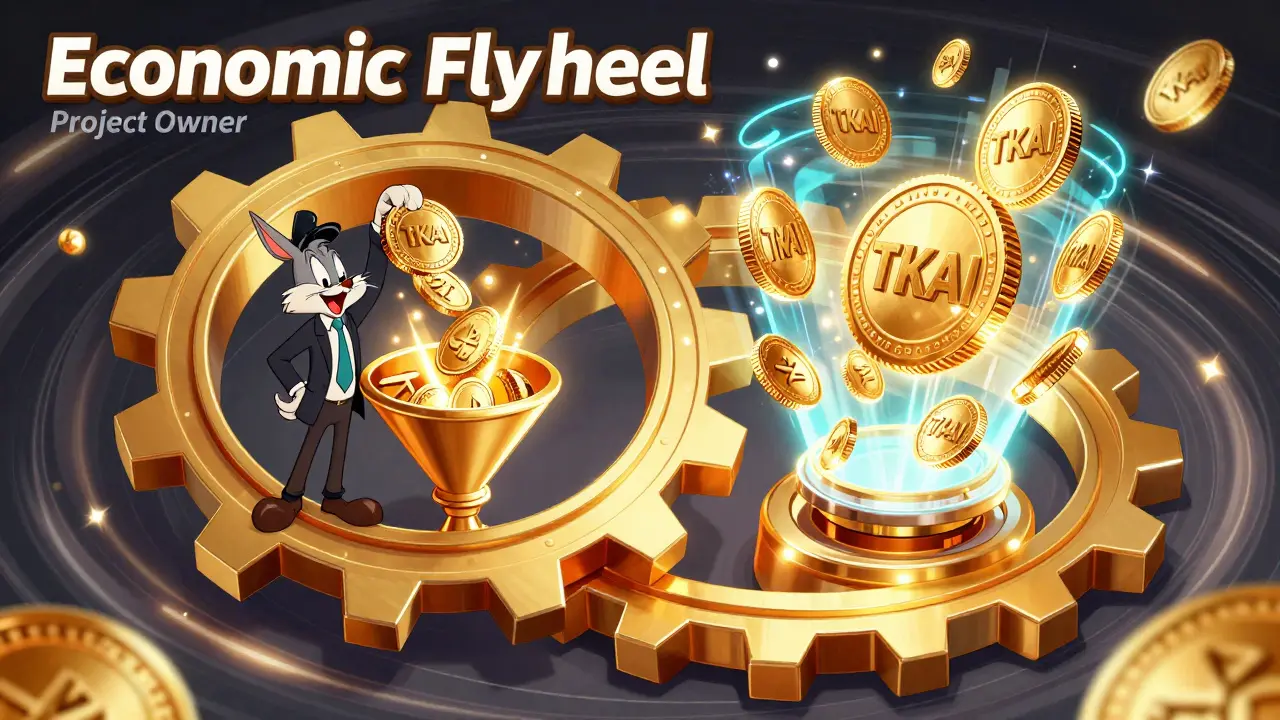
TAIKAI uses what they call Token Engineering to ensure the platform doesn't collapse after the initial hype. The money flow is simple: users pay TKAI for services (like Project NFTs), and these payments flow into the TAIKAI treasury. This treasury then funds further development and community incentives.
This creates a loop. Better tools in the treasury lead to more high-quality hackathons, which attract more Project Owners and Farmers, which in turn increases the number of TKAI transactions. By focusing on a specific niche-innovation and development-rather than just being another DeFi protocol, TAIKAI carves out a space where the token has a job to do.
Practical Considerations and Risks
If you are looking at TKAI from an investment perspective, you need to be aware of the liquidity. Because it is a niche utility token, trading volumes can be low. You might see conflicting price data across exchanges like LBank or MEXC because the token isn't traded in the massive volumes that Bitcoin or Ethereum are. This can lead to significant price volatility.
Furthermore, the success of the token is 100% dependent on the adoption of the platform. If companies stop hosting hackathons or if the Garden fails to produce viable startups, the utility of the token vanishes. It is a bet on the "Open Innovation" model-the idea that crowdsourcing solutions is more efficient than traditional R&D.
What is the main purpose of the TKAI token?
TKAI serves as a utility token within the TAIKAI ecosystem. It is used to pay for gated services like minting Project NFTs and featuring updates in the TAIKAI Garden. Additionally, staking TKAI allows users to receive veTKAI, which grants voting rights to validate projects and participate in governance.
What is the difference between TAIKAI and TAIKAI Garden?
The TAIKAI Platform is the environment where hackathons are organized, registration is handled, and competitions take place. The TAIKAI Garden is a post-hackathon space designed for the continued growth and development of projects, preventing the common problem of hackathon projects dying immediately after the event.
Can I trade veTKAI on exchanges?
No, veTKAI (voting escrowed TKAI) is non-transferable and non-tradable. It is locked in the Farmer's private wallet to ensure that governance power is held by committed, long-term participants rather than temporary traders.
How many TKAI tokens will ever exist?
The maximum supply is capped at 300 million TKAI tokens. This hard cap is designed to manage inflation and maintain the scarcity of the token as the platform grows.
Which blockchain is TAIKAI built on?
TAIKAI uses the Ethereum blockchain, and the TKAI token is an ERC-20 standard token. This ensures compatibility with most major Ethereum wallets and exchanges.
Getting Started with TAIKAI
Depending on who you are, your path into the ecosystem differs. If you are a developer, your first step is to look for active challenges on the TAIKAI platform and join a team as a Farmer. If you are a company, you can act as a Project Owner to source innovation for your specific business hurdles.
For those interested in the token, the best move is to verify the contract address (0x7C5b267Ed81009aa7374B5CA7E5137Da47045bA8) on an Ethereum explorer like Etherscan before making any moves. Because liquidity is lower than top-tier coins, using a reputable exchange and being mindful of the spread is crucial to avoid losing value during the trade.