
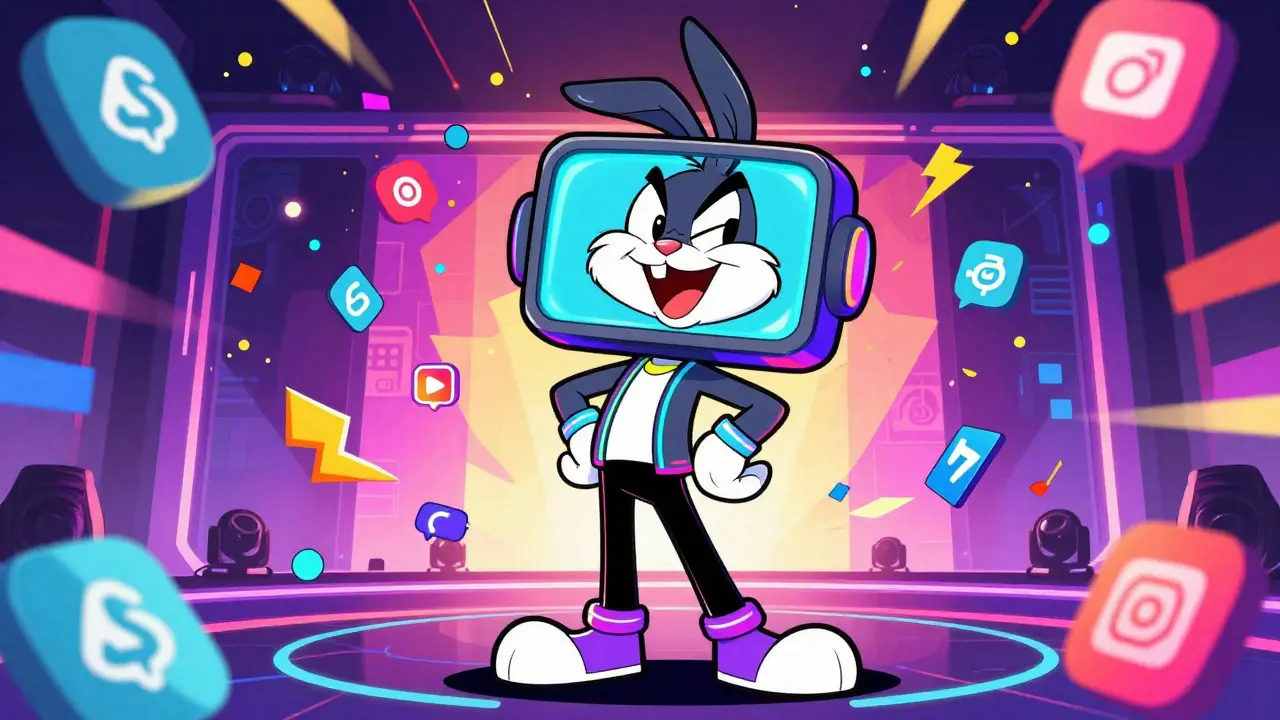
You might have seen the ticker MIRAI mentioned in crypto feeds or on social media lately. But what exactly is it? Is it just another meme coin riding the hype train, or does it represent a new shift toward digital identity?
At its core, Project MIRAI is an AI-powered virtual human experiment built on the Solana blockchain. It isn't a payment system like Bitcoin or a lending protocol like Aave. Instead, it functions as a case study in how decentralized communities can create and evolve intellectual property through meme culture and artificial intelligence. If you are looking at this asset, you need to understand that you are buying into a narrative-driven project rather than traditional utility software.
The Concept: AI Meets Decentralized Identity
To get your head around Project MIRAI, you first have to look past the price charts and examine the idea behind it. The project was created by two organizations: Aww Inc. and Hologram Labs. These teams work in digital and holographic media, bringing technical expertise in creating realistic virtual avatars.
Think of MIRAI not as a currency, but as a ticket to a reality show starring an AI-generated character. The goal is to see if a digital being can build a brand, gain followers, and hold value purely through community interaction and viral content. This sits right at the intersection of Web3 culture and the growing trend of virtual influencers. You aren't just holding a token; theoretically, you are part of the ecosystem that decides the fate and evolution of this virtual persona.
This approach differs significantly from standard tokens. Most cryptocurrencies solve a technical problem-like slow transactions or high fees. MIRAI attempts to solve a cultural one: how do we own and govern digital characters in a way that feels fair and transparent?
Technical Foundation: Built on Solana
If you are wondering where these tokens live, they exist on the Solana network. Specifically, MIRAI operates as an SPL token, which is the standard format for assets on Solana, similar to how ERC-20 works on Ethereum.
Why does this matter to you? Because it means MIRAI inherits Solana's speed and low transaction costs. When you buy, sell, or transfer MIRAI, you are using the underlying infrastructure of one of the world's fastest blockchains. There is no separate chain or complex smart contract logic unique to MIRAI itself; it relies entirely on Solana's security and performance.
For developers or those checking the legitimacy of the token, there is a single canonical contract address you should verify:
- Contract Address: 5evN2exivZXJfLaA1KhHfiJKWfwH8znqyH36w1SFz89Y
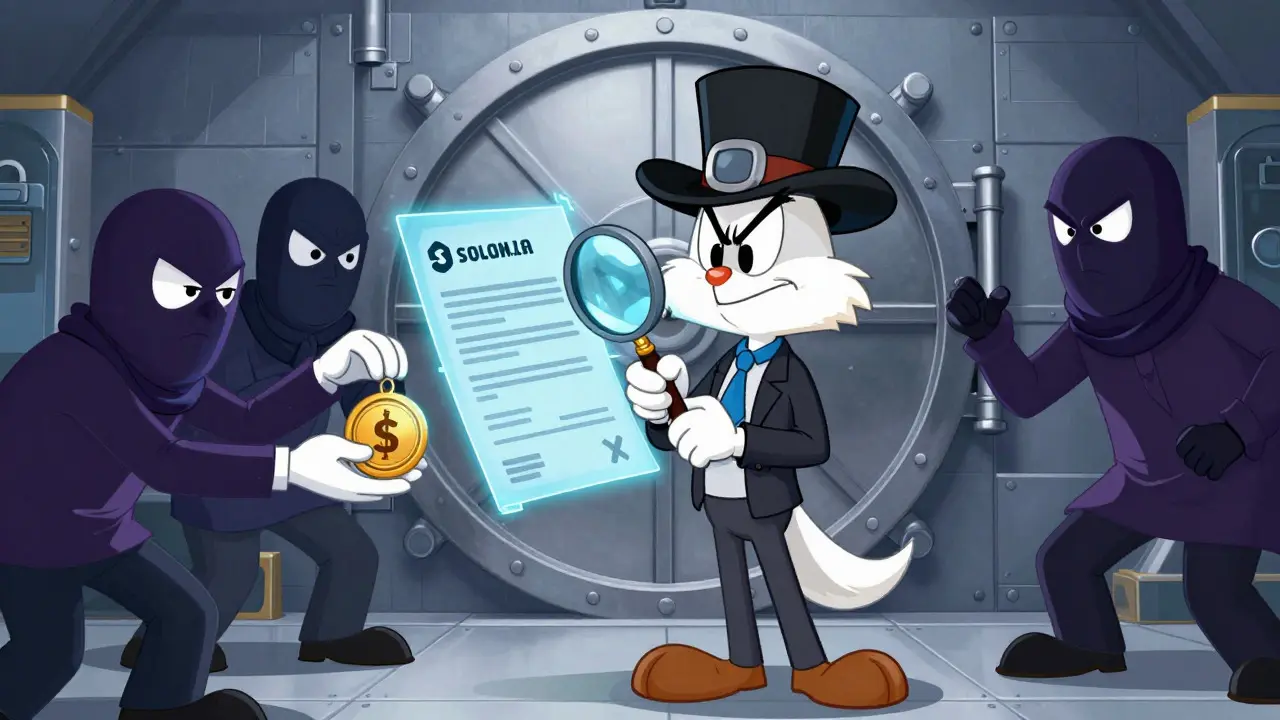
Always double-check this string before sending funds. Scammers often create fake tokens with similar names. By confirming you are interacting with the correct SPL address on Solana, you avoid losing money to copycats.
Token Supply and Economics
Understanding the supply is crucial for any investment decision. Unlike inflationary coins that print more tokens over time, MIRAI has a fixed cap. Here is the breakdown based on current data:
| Metric | Value |
|---|---|
| Total Supply | ~1,000,000,000 (1 Billion) |
| Circulating Supply | ~999,999,907 (Nearly 100% in circulation) |
| Max Supply | 1,000,000,000 |
| Launch Date | May 15, 2025 |
Notice that almost the entire supply is already circulating. This means there are very few "locked" tokens waiting to be released later, which reduces the risk of sudden sell-offs from early insiders dumping their holdings. However, because the supply is fully minted, price appreciation depends entirely on demand increasing, not on scarcity mechanics kicking in later.
Market Performance and Volatility Warning
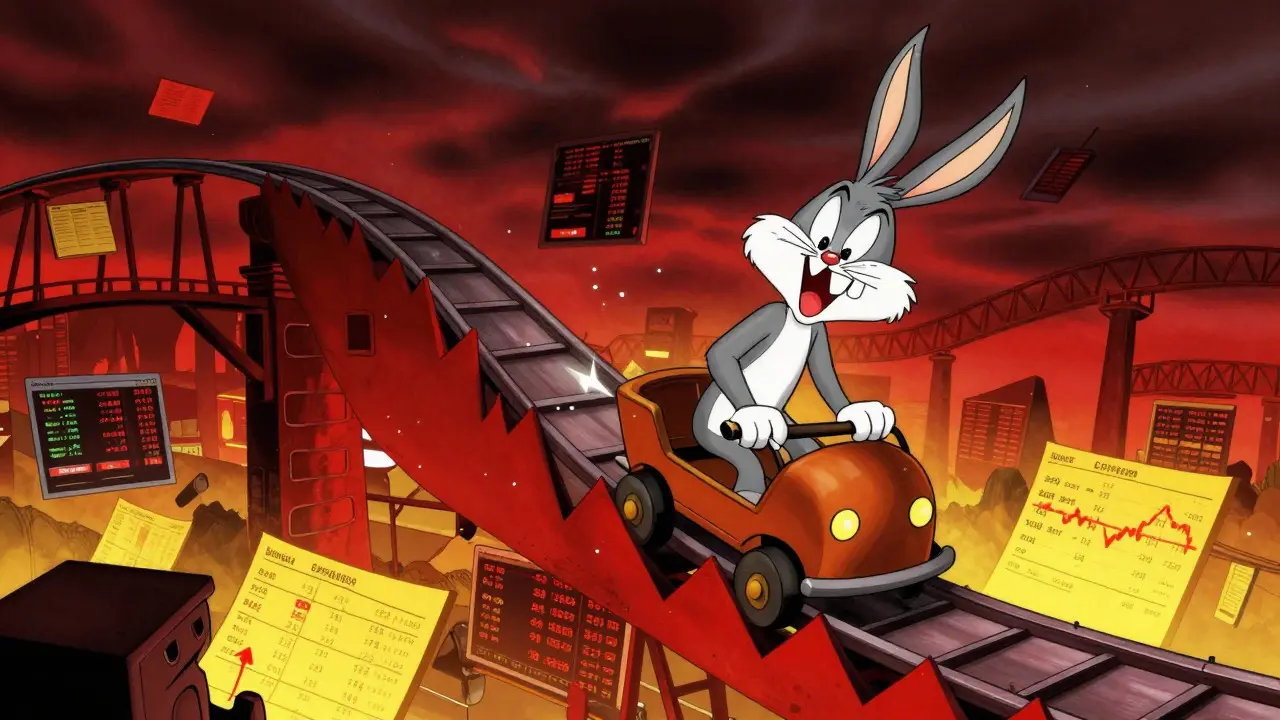
Here is the hard truth about trading MIRAI: it is extremely volatile. Like many narrative-driven tokens, its price history looks like a rollercoaster. After launching in mid-May 2025, the token saw a massive spike, reaching an all-time high (ATH) of approximately $0.0314 on May 22, 2025.
Since then, the price has corrected sharply. Depending on which exchange you check, the price fluctuates wildly. Some aggregators show prices near $0.0004, while others list it closer to $0.007 or even higher during moments of high volume. This discrepancy exists because liquidity is fragmented across different platforms.
If you bought at the peak, you are currently down roughly 90%. This is typical for micro-cap altcoins that rely heavily on hype. The market capitalization ranges anywhere from $400,000 to nearly $20 million depending on the data source, highlighting how difficult it is to pinpoint the true value of such niche assets. Always expect rapid swings up and down when dealing with tokens tied to internet culture trends.
Where Can You Trade MIRAI?
You don't need to be a coding wizard to buy MIRAI. Because it is listed on several major centralized exchanges (CEXs), retail investors can access it easily. Major platforms like Binance, KuCoin, and Crypto.com have featured the token.
Trading on these platforms offers convenience. You can swap USDT or USD for MIRAI directly within the app. However, keep an eye on the volume. On some days, daily trading volume might be low (under $10k), making it hard to sell large amounts without moving the price against yourself. On other days, volume spikes to millions, indicating strong interest. Check the order book depth before placing large orders.
If you prefer self-custody, you can withdraw your MIRAI tokens to a Solana-compatible wallet like Phantom or Solflare. Just remember to add the custom token address manually if it doesn't appear automatically.
Risks and Considerations
Before you commit funds, ask yourself if you understand the risks. MIRAI is not regulated by traditional financial bodies. There are no audited financial statements or guaranteed returns. Its value is derived solely from community belief in the "virtual human" concept.
Consider these key factors:
- Narrative Dependence: If the AI character stops trending or loses popularity on social media, the token could lose its primary value driver.
- Liquidity Fragmentation: Prices vary significantly between exchanges. What you see on Binance might differ from what you see on KuCoin.
- Speculative Nature: With a -90% drop from its highs, this asset fits the profile of high-risk speculation, not long-term savings.
There is also the factor of team influence. Promotions involving groups like PNUT help drive attention, but reliance on influencer marketing means the project is sensitive to changes in social media algorithms and public sentiment.
Conclusion: Is MIRAI Worth Your Attention?
Project MIRAI represents a fascinating experiment in blending AI, entertainment, and blockchain technology. It challenges the traditional definition of what a crypto token can be. For those interested in the future of digital identity and virtual influencers, it offers a front-row seat to that evolution.
However, treat it with caution. The extreme volatility and lack of fundamental utility metrics mean it should only make up a tiny fraction of a diversified portfolio. Do your own research, verify contract addresses, and never invest more than you can afford to lose. If you enjoy betting on cultural trends rather than technological infrastructure, MIRAI might fit your strategy. If you prefer stability and clear revenue models, you might want to look elsewhere.
What is the main purpose of the MIRAI token?
The MIRAI token serves as a mechanism for community participation in a decentralized character creation experiment. It allows holders to engage with an AI-powered virtual human narrative, essentially functioning as a stake in the cultural and intellectual property evolution of the digital persona.
Is MIRAI a safe investment?
Like most small-cap crypto assets, MIRAI carries high risk. It has experienced significant price drops (over 90% from its all-time high) and suffers from liquidity fragmentation. It is considered speculative and should only be approached with capital you are prepared to lose entirely.
Which blockchain does Project MIRAI use?
Project MIRAI is built on the Solana blockchain as an SPL token. This means it benefits from Solana's fast transaction speeds and low fees, and requires a Solana-compatible wallet for storage outside of exchanges.
Who created Project MIRAI?
The project was developed by Aww Inc. and Hologram Labs, organizations specializing in digital and holographic media. They aim to explore how AI virtual humans can evolve through community-driven IP and meme culture.
How much MIRAI is in circulation?
Almost the entire supply of 1 billion MIRAI tokens is in circulation (approximately 999,999,907 tokens). There is no hidden reserve or future inflation planned, as the maximum supply matches the total minted amount.



Categories