

You’ve probably seen the hype around meme coins. They pop up overnight, promise the moon, and then vanish into thin air. But what happens when a meme coin claims to have artificial intelligence inside it? That’s the pitch behind BigFoot Town, a cryptocurrency project that combines the viral appeal of internet folklore with the technical buzzwords of Web3.
If you are looking at your portfolio and wondering if this is the next big thing or just another speculative trap, you are not alone. The crypto market is flooded with tokens that sound impressive but lack substance. BigFoot Town (ticker: BIGFOOT) sits squarely in that gray area. It runs on the Solana blockchain, which means it benefits from fast transactions and low fees, but its actual utility remains questionable for many investors.
In this guide, we will strip away the marketing fluff. We’ll look at what BigFoot Town actually is, how its supposed AI features work, where you can buy it, and most importantly, whether it’s worth your money or just a risky gamble.
The Core Concept: AI Meets Meme Culture
At its heart, BigFoot Town is a creative ecosystem cryptocurrency. The project launched with the idea that artificial intelligence-driven avatars-the "BigFoots"-would operate autonomously within a decentralized framework. This was officially acknowledged as a pioneering Web3 project back in October 2024.
But let’s be real about what this means in practice. Most "AI" crypto projects use the term loosely. In BigFoot Town’s case, the AI aspect seems to focus on autonomous behavior within their digital world rather than complex machine learning algorithms that drive financial decisions. Think of it less like a sophisticated trading bot and more like a character in a video game that acts on its own.
This hybrid approach tries to bridge two massive trends:
- Meme Coins: Tokens driven by community sentiment, humor, and viral marketing (like Dogecoin or Shiba Inu).
- AI & Web3: Projects that promise decentralization combined with intelligent automation.
The problem? Execution. While the concept sounds futuristic, the current implementation lacks clear documentation on how these AI agents generate value for token holders. Are they creating art? Managing liquidity? Or just existing in a digital void? As of mid-2026, the answer remains vague, which is a red flag for serious investors.
Tokenomics and Market Reality
Let’s talk numbers, because that’s where dreams often meet reality. BigFoot Town operates with a total circulating supply of 1 billion tokens. On paper, a billion sounds like a lot, but in the crypto world, supply size matters less than demand and liquidity.
Here is the hard truth about BIGFOOT’s market performance:
| Metric | Value | Context |
|---|---|---|
| All-Time High | $0.00075435 | Reached Dec 7, 2024 |
| All-Time Low | $0.00005326 | Reached Oct 20, 2024 |
| Current Price Range | $0.00015 - $0.00019 | Varies by exchange |
| Market Cap | ~$0 | Micro-cap status |
| CoinMarketCap Rank | #8391 | Very low visibility |
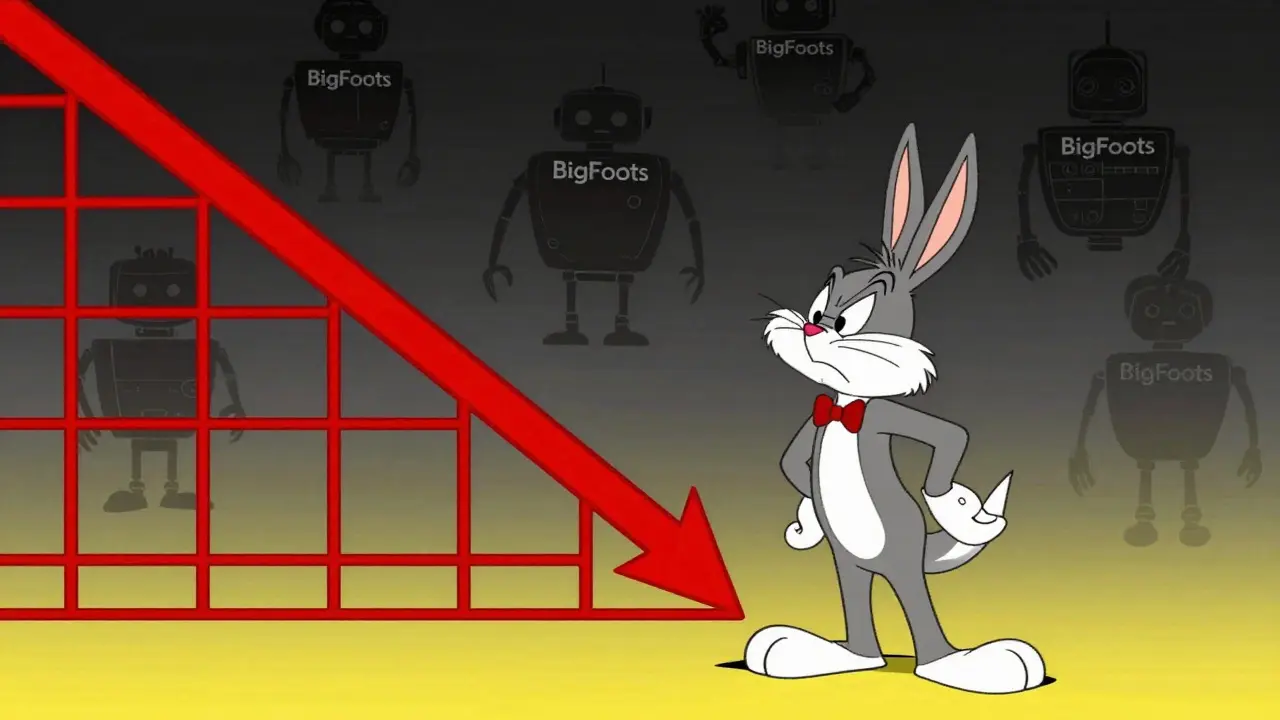
Notice the volatility. The price swung from its high to its low by over 90% in just two months. That is extreme risk. Furthermore, the market capitalization is effectively zero. What does that mean for you? It means there is very little money locked into this project. If a large holder decides to sell, the price could crash instantly because there aren’t enough buyers to absorb the shock.
Liquidity is also a major concern. Trading volumes vary wildly between platforms. Some exchanges report hundreds of dollars in daily volume, while others show zero. This makes it difficult to enter or exit positions without affecting the price significantly. You might find yourself holding a bag of tokens that you simply cannot sell at a fair price.
Where Does BIGFOOT Fit in the Solana Ecosystem?
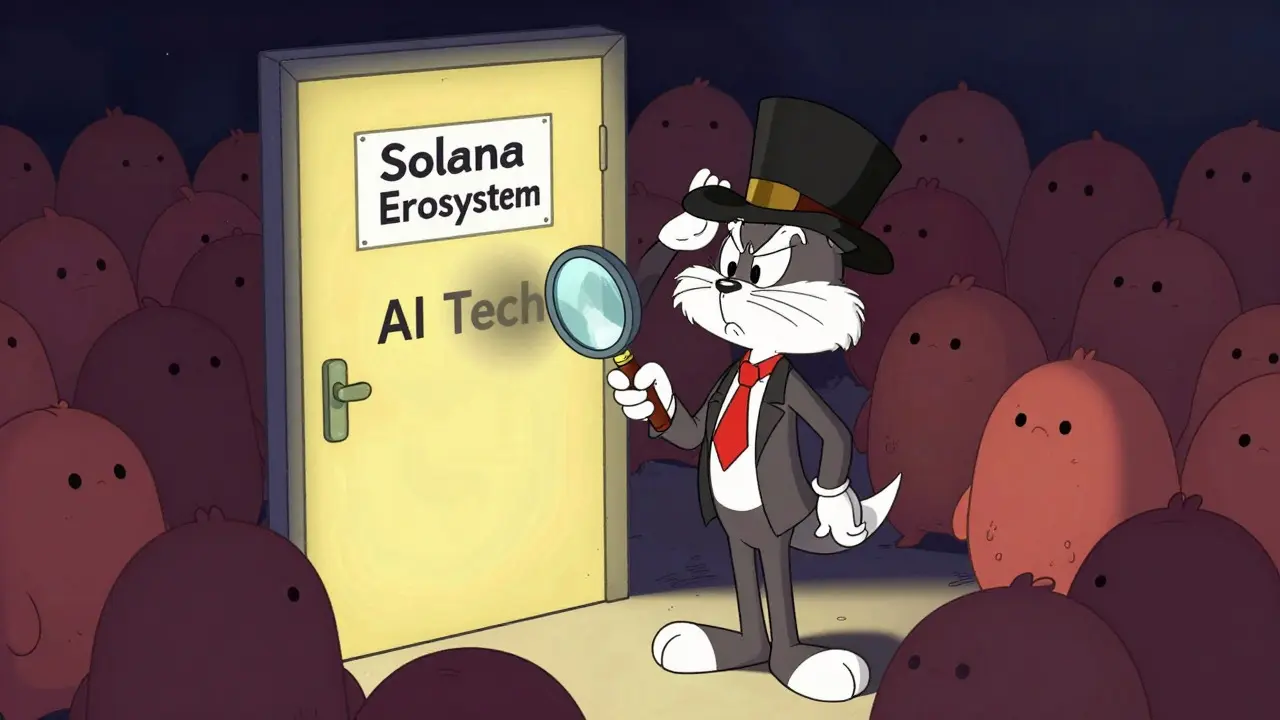
BigFoot Town lives on Solana. This is a double-edged sword. Solana is known for high speed and low transaction costs, making it the playground for thousands of experimental tokens. However, this accessibility has led to an oversaturated market.
Compared to established Solana projects like Raydium or Serum, BigFoot Town lacks significant integration. Those major projects have deep liquidity pools, active development teams, and clear use cases in decentralized finance (DeFi). BigFoot Town, by contrast, operates in the speculative micro-cap segment.
It competes with thousands of similar meme-inspired tokens. Unlike standard meme coins that rely purely on community hype, BigFoot Town attempts to differentiate itself with its "creative ecosystem" angle. But without substantial decentralized exchange integration or unique technological barriers to entry, it struggles to stand out. It’s like trying to start a band in a city already full of famous musicians-you need something truly special to get noticed.
How to Buy and Use BIGFOOT
If you’ve decided to take the plunge despite the risks, here is how you actually interact with the token. BigFoot Town isn’t available on all major exchanges, so you need to know where to look.
- Centralized Exchanges: Platforms like BTCC and Crypto.com list BIGFOOT. Prices may differ slightly between them due to low liquidity.
- Decentralized Exchanges (DEXs): Since it’s on Solana, you can trade BIGFOOT on Solana-based DEXs using a wallet like Phantom or Solflare.
- Promotional Programs: Some platforms offer "Learn2Earn" or "Assist2Earn" initiatives. These allow you to earn small amounts of BIGFOOT by completing tasks or watching ads. It’s a way to test the waters without risking capital.
Once you have the tokens, what can you do with them?
- Staking: Some platforms, like Bitget, offer staking services. You lock up your tokens to earn passive income. However, check the annual percentage rate (APR) carefully; high rates often indicate higher risk.
- Transfers: You can send BIGFOOT to other addresses for payments or donations, though adoption for actual purchases is minimal.
- Arbitrage: Experienced traders might try to profit from price differences between exchanges. Given the low volume, this is risky and requires quick execution.
Risks and Red Flags You Should Know
I’m not here to tell you what to do with your money, but I am here to protect you from common pitfalls. When evaluating BigFoot Town, keep these critical factors in mind:
1. Lack of Independent Expert Analysis
Most "expert" opinions on BIGFOOT come from promotional sources or exchange listings themselves. There are no comprehensive reviews from independent blockchain research firms. This silence is telling. Serious analysts usually ignore micro-caps until they prove sustainable growth.
2. Community Engagement is Weak
A healthy crypto project thrives on community. Check Reddit, Twitter, and Discord. For BigFoot Town, user-generated content and discussion threads are scarce. Without a strong grassroots following, the token relies entirely on speculative trading, which is unsustainable long-term.
3. Vague AI Implementation
The promise of "autonomous AI BigFoots" is intriguing, but where is the code? Where is the transparency? If the AI features are not open-source or verifiable, you’re trusting the developers’ word. In crypto, trust is expensive.
4. Extreme Volatility
With a market cap near zero and low liquidity, BIGFOOT is prone to wild swings. A single large sale could wipe out 20-30% of the value in minutes. Never invest money you cannot afford to lose entirely.
Is BigFoot Town Worth Your Attention?
So, where does that leave us? BigFoot Town is an experiment. It sits at the intersection of meme culture, AI hype, and Solana’s fast-paced environment. For some, it’s a fun, low-stakes gamble. For others, it’s a confusing mess of buzzwords with little substance.
If you are a seasoned trader who understands the mechanics of micro-cap arbitrage and is comfortable with total loss potential, you might find opportunities in its volatility. But if you are looking for a stable investment or a project with clear, proven utility, BIGFOOT likely falls short.
The broader trend of AI-themed cryptocurrencies is growing, but only those with tangible technology and strong communities will survive. Right now, BigFoot Town is still proving its worth. Keep an eye on their development updates, watch for increased liquidity, and verify any new partnerships before committing funds.
In the world of crypto, patience and skepticism are your best tools. Don’t let the name fool you. Just because it’s called BigFoot doesn’t mean it’s solid ground.
What is the current price of BigFoot Town (BIGFOOT)?
As of mid-2026, the price of BIGFOOT fluctuates between $0.00015 and $0.00019 depending on the exchange. Due to low liquidity, prices can vary significantly between platforms like BTCC and Crypto.com.
Is BigFoot Town a scam?
There is no definitive evidence labeling BigFoot Town as a outright scam, but it carries high-risk characteristics typical of unproven micro-cap tokens. These include vague utility, low liquidity, and limited independent audit trails. Always exercise extreme caution.
Which blockchain does BIGFOOT use?
BigFoot Town operates on the Solana blockchain. This allows for fast transactions and low fees, but also exposes it to the competitive and volatile nature of the Solana meme coin ecosystem.
Can I stake BIGFOOT tokens?
Yes, some centralized exchanges like Bitget offer staking and lending services for BIGFOOT. This allows holders to earn passive income, but remember that staking illiquid assets carries additional counterparty risk.
What is the total supply of BIGFOOT?
The total circulating supply of BigFoot Town tokens is 1 billion. However, the actual market capitalization remains negligible due to the extremely low price per token.
Why is the market cap of BIGFOOT so low?
The market cap is near zero because the token has very low trading volume and limited adoption. It is considered a micro-cap asset, meaning few people are actively buying or holding it compared to major cryptocurrencies.
Categories