You’ve probably seen the name Baby Ripple pop up on your feed or a trading chart. It sounds like an official spinoff of Ripple (XRP), right? Wrong. That’s exactly the trap. BABYXRP is not created by Ripple Labs, it doesn’t use XRP technology, and it has zero connection to the corporate giants behind the original currency. It is a standalone meme token that rides on the coattails of a famous brand to attract speculative traders.
If you are wondering whether this tiny digital asset is worth your attention-or your money-you need to look past the catchy name. We’re going to break down what BABYXRP actually is, how it functions technically, and why its market metrics scream "high risk." This isn’t financial advice; it’s a reality check based on current data from major aggregators like Crypto.com and Coinbase.
The Identity Crisis: What Is BABYXRP?
Baby Ripple (BABYXRP) is a low-market-cap cryptocurrency token themed around Ripple (XRP) but not endorsed or technically related to Ripple Labs Inc.. The project operates under the domain babyxrp.xyz and trades under the ticker symbol BABYXRP.
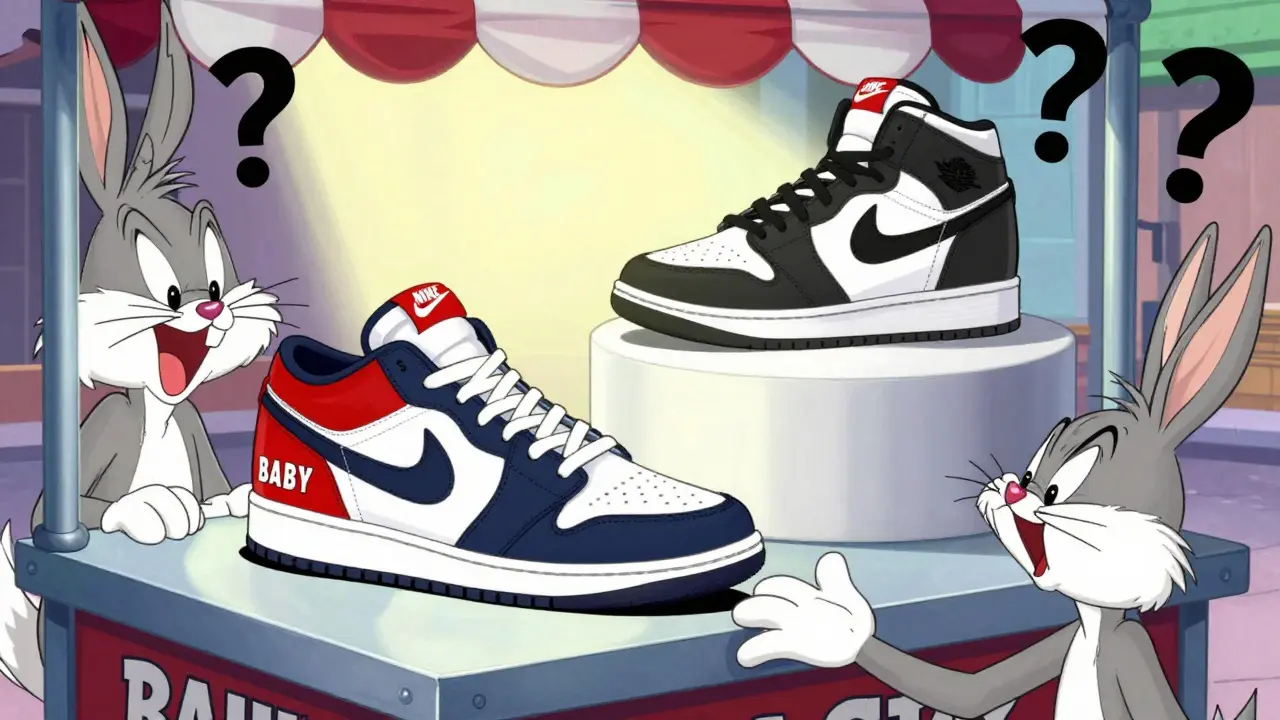
Think of it like this: if XRP is the original Nike sneaker, BABYXRP is a knock-off sold at a street fair. It uses similar branding cues to draw in fans of the original, but there is no quality control, no corporate backing, and no guarantee it will last more than a season. The token exists primarily for two reasons: speculative trading and community-driven meme engagement. There is no underlying payment network, no cross-border settlement utility, and no enterprise adoption.
Unlike established Layer-1 projects that publish whitepapers and introduce their founding teams, BABYXRP launched anonymously. You won’t find a CEO’s LinkedIn profile or a detailed roadmap on any major exchange listing. This anonymity is common in the world of meme coins, but it also means you have no one to hold accountable if things go south. The project relies entirely on the hype cycle rather than fundamental value.
Tokenomics and Supply: The Numbers Game
To understand the potential upside-and the massive downside-you have to look at the tokenomics. Most legitimate cryptocurrencies have complex monetary policies involving inflation rates, staking rewards, or burn mechanisms. BABYXRP keeps it simple, which often translates to "basic."
- Total Supply: Fixed at 1,000,000,000 (1 billion) tokens.
- Circulating Supply: Approximately equal to the total supply, meaning almost all tokens are already in circulation.
- Smart Contract Standard: Likely BEP-20 on the Binance Smart Chain (BSC), making it compatible with EVM wallets.
A fixed supply sounds good on paper because it prevents infinite printing. However, without a mechanism to remove tokens from circulation (like burns) or reward long-term holders (like staking), the price movement depends entirely on buy and sell pressure. Since the entire supply is likely distributed among a small group of early buyers or liquidity providers, a single large sell order can crash the price instantly.
Market Reality: Micro-Cap Volatility
Let’s talk numbers, because they tell a stark story about BABYXRP’s status in the crypto ecosystem. As of mid-2026, data from aggregators like Crypto.com, Coinbase, and LiquidityFinder paints a picture of extreme fragility.
| Metric | Value (Approximate) | Context |
|---|---|---|
| Price per Token | $0.000028 - $0.000032 USD | Fraction of a cent; high intraday volatility |
| Market Capitalization | $30,000 - $31,000 USD | Micro-cap; easily manipulated |
| 24-Hour Volume | $135,000 - $140,000 USD | High turnover relative to cap indicates speculation |
| Liquidity Depth | Low | Large orders cause significant slippage |
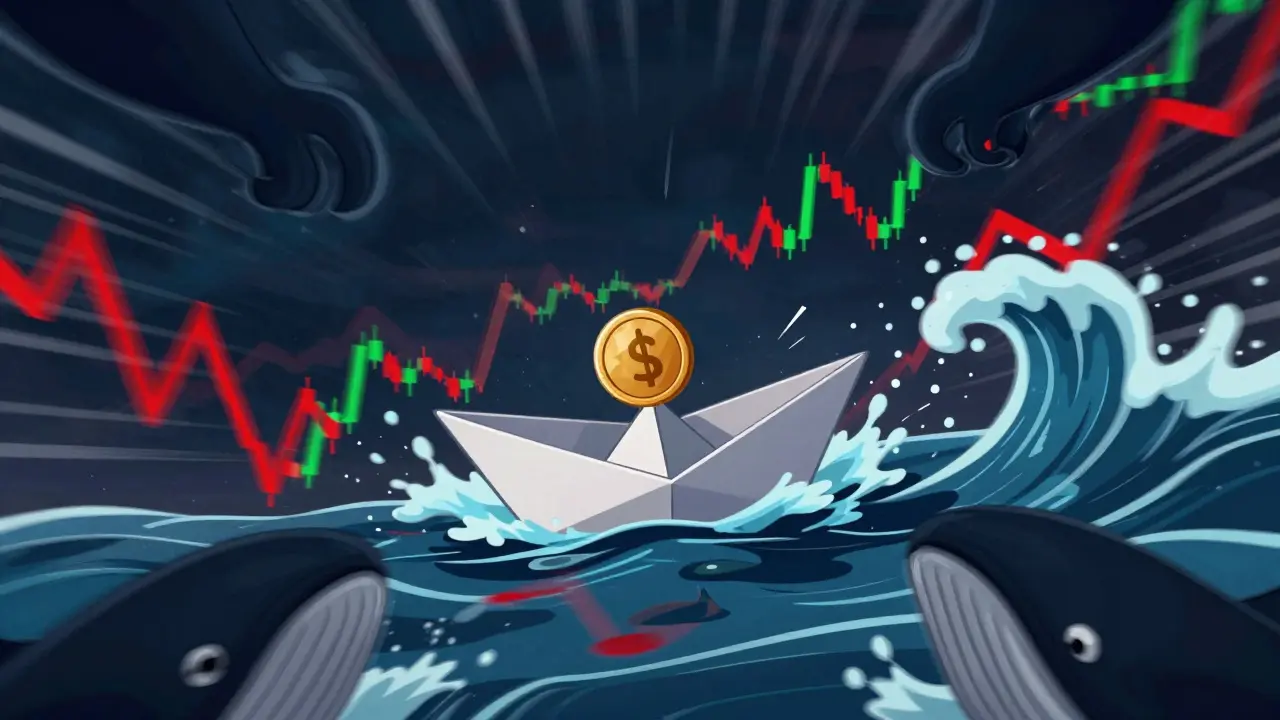
Notice the ratio between volume and market cap. When a token has a market cap of $30,000 but sees $140,000 in daily trading volume, it means the same handful of tokens are being traded back and forth rapidly. This is a hallmark of thin liquidity. In practical terms, if you tried to sell a large amount of BABYXRP, you might not find enough buyers at the current price, forcing you to accept a much lower rate. This is known as slippage, and in micro-caps, it can eat up 10% or more of your trade instantly.
How to Buy BABYXRP (And Why It’s Complicated)
You won’t find BABYXRP on the main order books of major centralized exchanges like Coinbase Pro or Kraken. Instead, it lives in the decentralized finance (DeFi) wild west. To get your hands on it, you generally need to follow a process outlined by guides like those on Binance’s Web3 Wallet.
- Set Up a Web3 Wallet: You’ll need a non-custodial wallet like MetaMask or the Binance Web3 Wallet. This means you are responsible for your own security. Lose your seed phrase, lose your money.
- Acquire Base Currency: Buy BNB (Binance Coin) or a stablecoin like USDT on a centralized exchange and transfer it to your Web3 wallet address on the Binance Smart Chain network.
- Connect to a DEX: Use a decentralized exchange (DEX) like PancakeSwap. Paste the exact contract address for BABYXRP. Never trust a link from social media; always verify the address on a reputable tracker like CoinGecko or DexScreener.
- Execute the Swap: Set your slippage tolerance. Because BABYXRP is volatile, you may need to set this higher than usual (e.g., 5-10%), but be aware this exposes you to price manipulation.
This process is straightforward for experienced DeFi users but daunting for beginners. It requires understanding gas fees, network congestion, and the difference between centralized and decentralized trading. There is no customer support hotline if your transaction gets stuck.
The Security Red Flags
Here is the part most promotional articles skip: security. For a token to be considered safe, it should ideally undergo a third-party audit by firms like CertiK or PeckShield. These audits check the smart contract code for vulnerabilities, such as hidden minting functions (which allow creators to print unlimited tokens) or ownership privileges that let developers drain the liquidity pool.
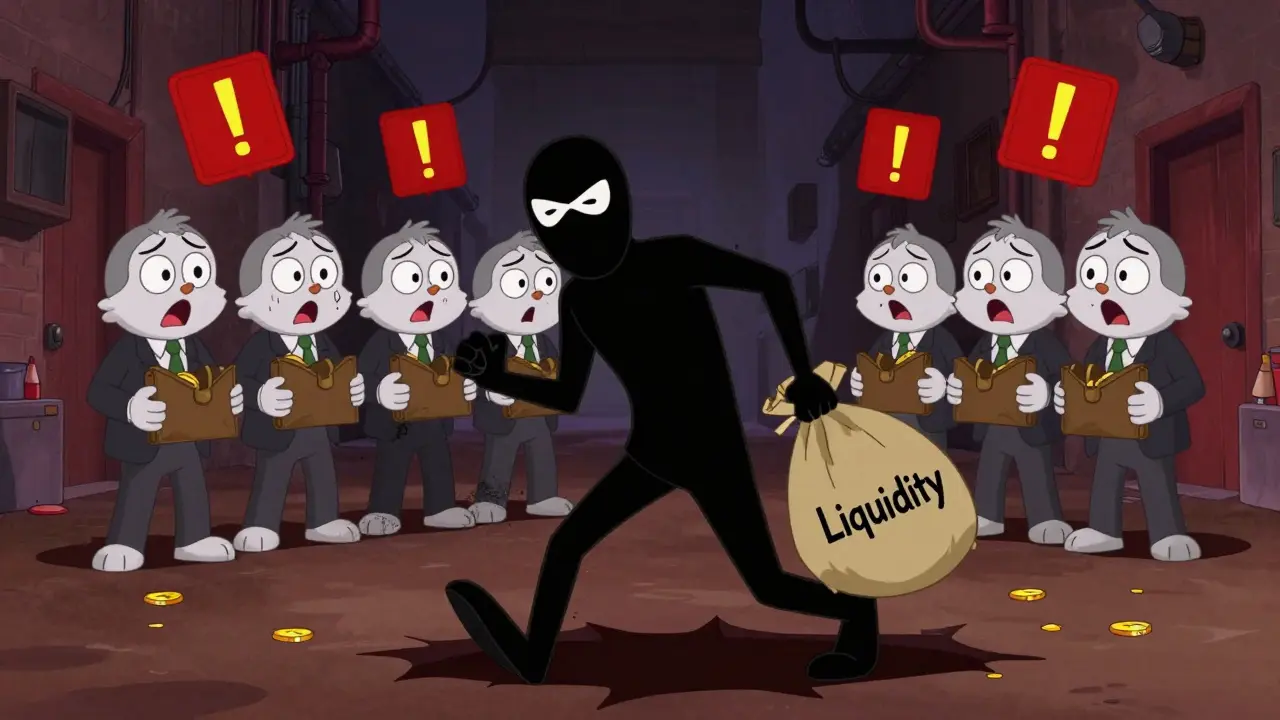
BABYXRP has no public record of such audits. The absence of a GitHub repository, a verified team identity, or a locked liquidity pool status raises serious concerns. In the BSC meme coin ecosystem, "rug pulls"-where developers abandon the project and take the invested capital-are unfortunately common. Without transparency, you are trusting strangers with your funds.
Furthermore, the use of the "Ripple" name in branding carries legal risk. Regulatory bodies in the US and EU have cracked down on copycat tokens that mislead investors. While no specific enforcement action against BABYXRP has been widely reported yet, the threat of delisting or legal challenge hangs over any unaffiliated token using a major brand’s likeness.
Comparison: BABYXRP vs. Established Assets
To put the risk in perspective, let’s compare BABYXRP with assets it might be confused with or compared to.
| Feature | XRP (Ripple) | Dogecoin (DOGE) | BABYXRP |
|---|---|---|---|
| Type | Layer-1 Payment Network | Established Meme Coin | Micro-Cap Meme Token |
| Backing | Ripple Labs (Corporate) | Community & Institutional Interest | Anonymous Developers |
| Market Cap | Multi-Billion USD | Multi-Billion USD | ~$30,000 USD |
| Utility | Cross-border payments | Tips, Micropayments, Speculation | Pure Speculation |
| Risk Level | Medium | High | Extreme |
XRP is a technology product used by banks. Dogecoin is a cultural phenomenon with deep liquidity. BABYXRP is a statistical outlier-a tiny speck in the ocean of crypto assets. Its future viability does not depend on innovation, partnerships, or user growth. It depends entirely on whether someone else is willing to pay more for it tomorrow than you did today.
Final Thoughts: Is It Worth the Gamble?
Baby Ripple (BABYXRP) is a textbook example of a high-risk, low-transparency speculative asset. It offers no utility, no security guarantees, and no institutional backing. Its price movements are driven by short-term sentiment and thin liquidity, making it susceptible to rapid crashes.
If you decide to interact with BABYXRP, treat it as entertainment spending, not investing. Only allocate funds you are fully prepared to lose completely. Always verify contract addresses, use hardware wallets for storage, and never share your private keys. In the world of micro-cap meme coins, the house doesn’t just win-it often disappears with the pot.
Is Baby Ripple (BABYXRP) affiliated with Ripple Labs?
No. BABYXRP is not created, endorsed, or supported by Ripple Labs Inc. It is an independent meme token that uses similar branding but shares no technology, governance, or corporate backing with XRP.
Where can I buy BABYXRP?
BABYXRP is not listed on major centralized exchanges. It is traded on decentralized exchanges (DEXs) like PancakeSwap via the Binance Smart Chain. You will need a Web3 wallet (such as MetaMask or Binance Web3 Wallet) and BNB to cover gas fees.
What is the total supply of BABYXRP?
The total supply of BABYXRP is fixed at 1,000,000,000 (1 billion) tokens. Most of these tokens are currently in circulation, contributing to its micro-cap market valuation.
Is BABYXRP a safe investment?
No. BABYXRP is considered an extremely high-risk asset due to its anonymous development team, lack of security audits, low liquidity, and micro-cap market size. It is prone to significant price volatility and potential rug pulls.
Does BABYXRP have any real-world utility?
Currently, no. BABYXRP does not offer payment processing, staking rewards, or integration with DeFi protocols. Its primary purpose is speculative trading and community meme engagement.

Categories