VASP Taiwan: What You Need to Know About Crypto Regulations in Taiwan
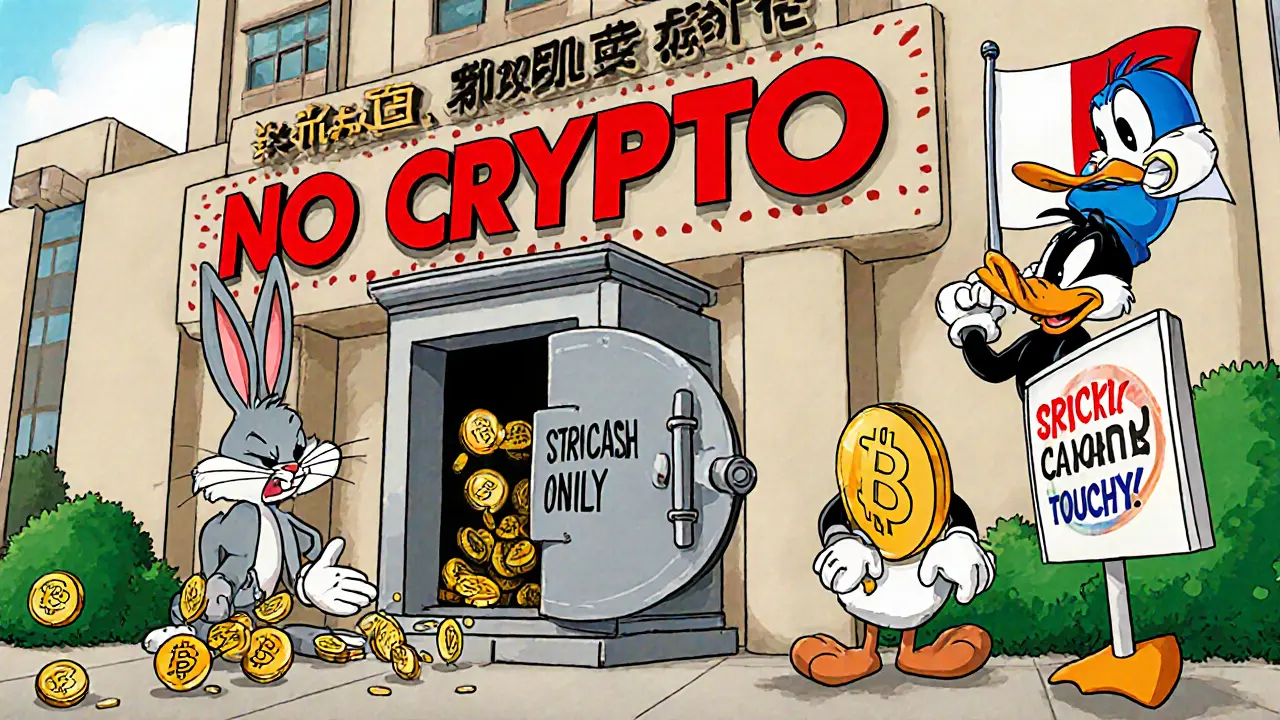
When you hear VASP, a Virtual Asset Service Provider is a company that offers services like trading, custody, or exchange of cryptocurrencies. Also known as crypto service provider, it’s the legal term Taiwan uses to bring crypto businesses under financial oversight. In 2023, Taiwan passed the Virtual Asset Service Provider Act, forcing all crypto platforms operating in the country to register with the Financial Supervisory Commission. This wasn’t a ban—it was a cleanup. Before this, anyone could run a crypto exchange with no accountability. Now, if you’re offering crypto services to Taiwanese users, you need a license—or you’re breaking the law.
This shift didn’t happen in a vacuum. It mirrors what happened in Japan, South Korea, and the EU: regulators realized unregulated crypto platforms were risky for consumers and easy targets for scams. That’s why VASP Taiwan now requires companies to prove they have proper security, KYC checks, and anti-money laundering systems. It’s not about stopping crypto—it’s about making sure when you trade Bitcoin or stake Ethereum, your money isn’t at risk because the platform is a ghost operation. The same rules apply to wallets, staking services, and even decentralized exchanges if they interact with local users. And yes, that includes foreign platforms that let Taiwanese people sign up. If they don’t register, they’re not allowed to operate there.
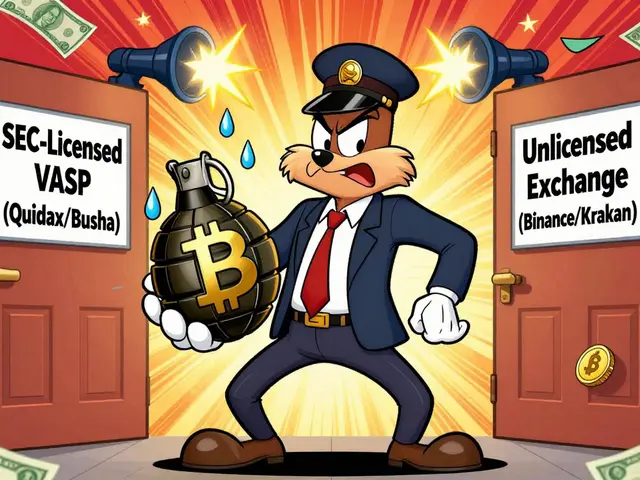
What does this mean for you? If you’re a trader in Taiwan, you now have a short list of licensed exchanges to choose from—ones that follow real rules. If you’re a business, you’ve got a clear path to legality, but it’s not easy. You need local legal representation, a physical office, and months of paperwork. Some smaller platforms shut down instead. Others moved their user base overseas. The result? Fewer shady apps, more transparency, and real protection for users. This is the same reason you don’t see random crypto apps on the Apple App Store in Taiwan anymore—they’re blocked unless they’re VASP-registered.
You’ll find posts below that dig into real cases: exchanges that got licensed, ones that vanished, and how users reacted when their favorite platform got pulled. There’s also coverage of how Taiwan’s rules compare to nearby countries like Singapore and Hong Kong, and what happens when a VASP fails its audit. These aren’t theoretical debates—they’re stories of people who lost money before the law changed, and others who finally found a safe place to trade. What you’re reading now isn’t just regulation—it’s the quiet shift from wild west to something more stable. And if you’re involved in crypto in Taiwan, you need to know where the lines are drawn.





Categories