Robinhood Fees: What You Really Pay to Trade Crypto and Stocks
When you hear Robinhood fees, the cost structure of the popular trading app known for zero-commission trades. Also known as zero-commission trading, it has reshaped how everyday investors approach stocks and crypto. Robinhood made headlines by removing trading commissions, but that doesn’t mean trading there is free. Hidden costs like spread markups, payment for order flow, and crypto price premiums add up—especially if you trade often. What looks like a no-fee platform can actually cost you more than you think, especially when compared to regulated exchanges with transparent pricing.
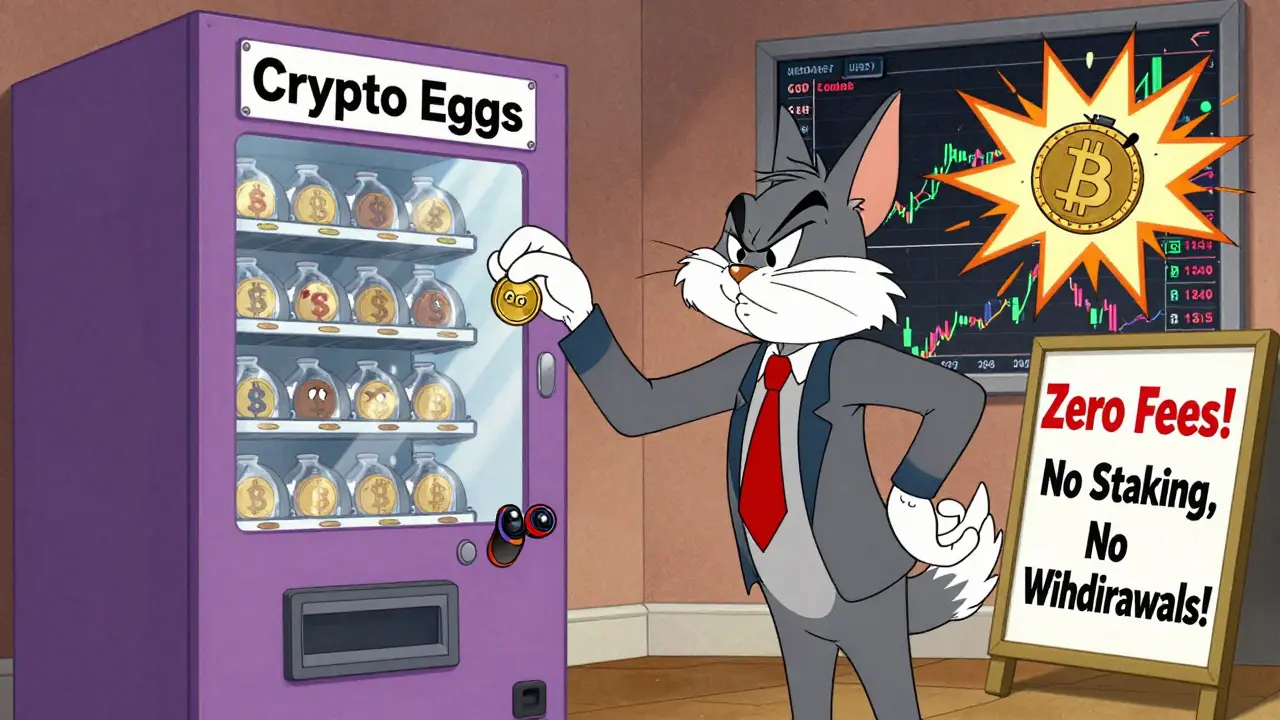
Robinhood’s crypto trading fees, the hidden spreads and price markups applied when buying or selling digital assets are one of the biggest traps. Unlike Coinbase or Kraken, Robinhood doesn’t show you the actual market price. Instead, it adds a markup—sometimes as high as 1% to 2%—on top of the real price. That means if Bitcoin is trading at $60,000, you might pay $60,600 without ever seeing that extra cost listed. And unlike other platforms, you can’t see the bid-ask spread before you click buy. This isn’t a fee you can avoid—it’s baked into every trade. For crypto traders who move in and out of positions, those small markups turn into big losses over time.
Then there’s payment for order flow, the practice of selling your trade orders to market makers for a cut. Robinhood makes money this way, not from you directly. But it means your order isn’t always filled at the best possible price. Studies from the SEC and independent researchers show that retail traders on Robinhood often get worse fills than on platforms that don’t use this model. It’s not fraud—it’s a structural conflict of interest. You’re not paying a fee, but you’re still paying the price.
Stock trades? No commission, yes. But if you’re using margin, Robinhood charges interest—up to 10% annually on borrowed funds. And if you’re using Instant Deposits or extended hours trading, those come with limits and delays. Robinhood Gold? That’s a subscription service that unlocks margin and research, but it doesn’t fix the core issue: you’re not getting the best price on your trades.
Compare that to platforms like Kraken or Binance, where you pay a clear, visible fee—usually under 0.1%—and get real-time price data. Or even Coinbase, where you pay a small fee but know exactly what you’re paying. Robinhood’s model works if you’re a casual investor buying a few shares a year. But if you’re active, trading crypto daily, or trying to time the market, those hidden costs eat into your profits faster than you realize.
The posts below cut through the noise. You’ll find real reviews of crypto exchanges that actually show their fees, breakdowns of how trading costs impact your returns, and guides to spotting platforms that hide costs in plain sight. You’ll learn why some exchanges vanish overnight, why fake airdrops target users who trust ‘free’ platforms, and how to trade smarter without falling for the illusion of zero cost. This isn’t about picking sides—it’s about knowing what you’re really paying for when you hit buy.


Categories