Robinhood Crypto: What You Need to Know About Trading Crypto on Robinhood
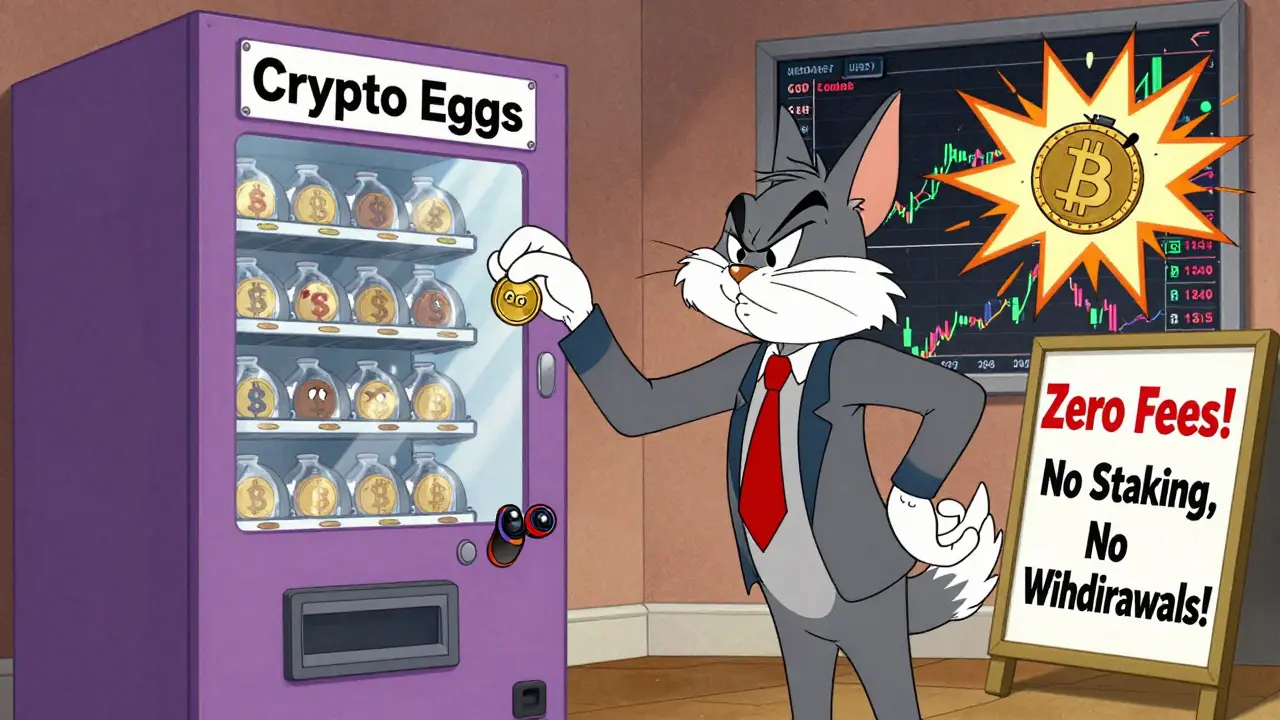
When you think of Robinhood Crypto, a simplified platform for buying and selling cryptocurrencies, often used by beginners and casual traders. Also known as Robinhood Markets crypto trading, it's one of the most popular ways people in the U.S. get into digital assets without dealing with complex wallets or exchanges. But Robinhood Crypto isn't a full crypto exchange—it doesn't let you send coins to external wallets, stake tokens, or access DeFi apps. You can only buy, sell, and hold. That makes it simple for newcomers, but limiting for anyone who wants real control over their assets.
People use Robinhood Crypto because it’s easy, free, and already built into an app they know. It links directly to your bank account, so funding trades is fast. But that simplicity comes with trade-offs. Unlike Coinbase or Kraken, Robinhood doesn’t give you the private keys to your crypto. That means you don’t truly own your coins—you’re trusting Robinhood to hold them for you. And if the platform goes down, gets hacked, or changes its rules, you’re stuck. That’s why many serious traders treat Robinhood like a brokerage for stocks, not a crypto wallet.
Robinhood Crypto also doesn’t support most altcoins. You can trade Bitcoin, Ethereum, Dogecoin, Solana, and a few others—but not hundreds like you’d find on Binance or Bybit. That’s intentional. Robinhood keeps it small to reduce risk and compliance headaches. It’s designed for people who want to dabble, not dive deep. Still, it’s been a gateway for millions. A 2023 survey found over 15 million U.S. users had traded crypto on Robinhood, mostly under 35. That’s not just convenience—it’s cultural. Crypto became mainstream not because of whitepapers, but because it showed up in an app people already used for stocks.
That’s why the posts below focus on what happens when you step outside Robinhood’s walls. You’ll find reviews of real exchanges like Orca and Shido DEX, breakdowns of scam airdrops pretending to be linked to Robinhood, and guides on how to move your crypto off Robinhood safely. There are also deep dives into crypto regulations, like AUSTRAC in Australia and Taiwan’s banking bans, because what happens on Robinhood is shaped by rules you can’t control. You’ll see how meme coins like Buddy The Elf and Cat in Hoodie explode in popularity, then vanish—often because people chase hype, not fundamentals. And you’ll learn why platforms like BIJIEEX or Oasis Swap died: they promised freedom but delivered risk.
Robinhood Crypto is a starting point, not an endpoint. The real crypto world is bigger, messier, and more powerful. The posts here show you what’s next—how to move beyond the app, spot scams, understand real exchanges, and protect your money. You don’t need to be an expert to get started. You just need to know where to look next.


Categories