NFT Ticketing: How Blockchain Is Changing Event Access
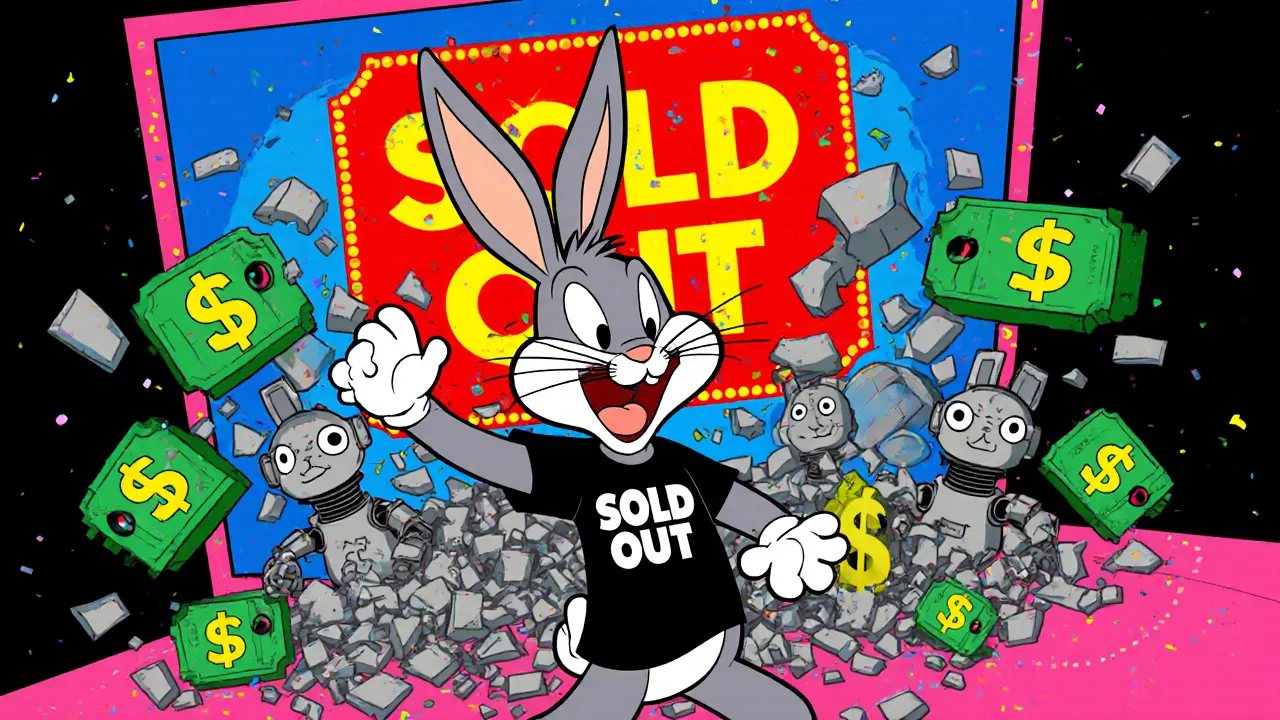
When you buy a ticket to a concert, festival, or sports game, you’re not just getting entry—you’re getting a NFT ticket, a unique digital asset stored on a blockchain that proves ownership and can’t be copied. Also known as blockchain ticketing, it turns a simple paper or PDF pass into a collectible that keeps giving back—like exclusive content, early access, or even cash rewards. Unlike old-school tickets that can be forged, lost, or resold at inflated prices, NFT tickets are verifiable, traceable, and tied to your wallet. This isn’t just tech hype—it’s fixing real problems fans and organizers face every day.
Organizations using NFT ticketing aren’t just selling access—they’re building fan engagement, a deeper, ongoing relationship between artists or teams and their audience. Event loyalty becomes automatic: if you hold the NFT, you get perks. Maybe it’s a behind-the-scenes video, a chance to vote on setlists, or a discount on merch. Fans who show up year after year earn more. Scalpers lose power because each NFT can be programmed to only transfer at face value or require approval from the event host. This isn’t theoretical—teams like the Golden State Warriors and festivals like Coachella have already tested it, with real results in reduced fraud and higher fan satisfaction.
Behind every NFT ticket is a blockchain ticketing system that records every transaction on a public ledger, making it impossible to fake or double-sell. NFT tickets work on networks like Ethereum, Polygon, or Solana, and can include smart contracts that auto-pay royalties to creators every time the ticket changes hands. That means if you resell your ticket legally, the artist gets a cut. It’s a fairer model. And because these tickets live in your wallet, you never have to worry about losing them or waiting in line for a physical scan.
What you’ll find in the posts below aren’t just theory or ads—they’re real cases. From how one band used NFT tickets to turn attendees into a community, to why some projects failed because they skipped the fan experience, to how festivals cut fraud by 90% after switching. You’ll see what works, what doesn’t, and how you can spot the difference between a gimmick and a game-changer. No fluff. Just what matters if you’re an artist, organizer, or fan who wants more from event access.

Categories