Market Sentiment: How Investor Mood Drives Crypto and Stock Prices
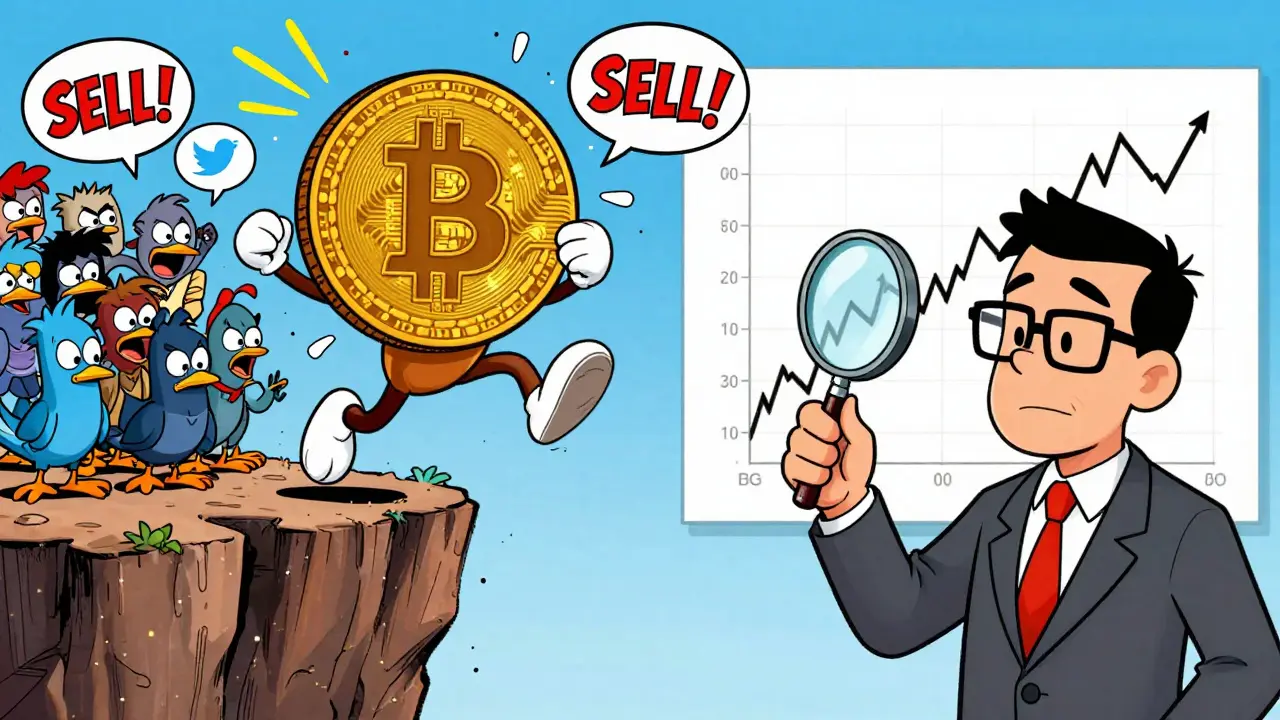
When people talk about market sentiment, the collective emotion of investors that influences buying and selling pressure. Also known as investor psychology, it’s what turns a quiet market into a frenzy—or a panic. You won’t find it in balance sheets or whitepapers. It lives in Twitter threads, Telegram groups, and the way a single tweet from a CEO can send Bitcoin up 10% in an hour. It’s not rational. But it’s real.
Market sentiment doesn’t just follow price—it creates it. When fear dominates, traders dump assets even if the tech is solid. When FOMO kicks in, people buy meme coins with no team, no roadmap, and no liquidity—like Buddy The Elf (ELF), a Solana-based joke token with zero utility, or Indian Call Center (ICC), a TON blockchain meme coin under $30K market cap. These aren’t investments. They’re emotional bets. And they only work while the crowd is still cheering. The same thing happens in stocks: Robinhood users piled into meme stocks not because of earnings, but because they saw others making money. That’s sentiment in motion.
Bad sentiment kills projects faster than bad code. Look at Oasis Swap, a DEX that vanished after fake volumes and withdrawal failures. Or Shido DEX, a platform with almost no trading volume and zero community. They didn’t fail because they were technically flawed—they failed because no one believed in them anymore. Meanwhile, platforms like Orca, a fast, low-fee Solana DEX trusted by active traders, thrive because users trust their speed and transparency. Sentiment isn’t about hype. It’s about trust, built over time, and broken in seconds.
Scams prey on sentiment too. Fake airdrops like ETHPAD’s GRAND, a non-existent token claim, or BAKECOIN, a phantom giveaway mimicking the real BAKE token, don’t need smart contracts. They just need people who are scared of missing out. That’s why you’ll see posts warning about BIJIEEX, an unregulated exchange with slow withdrawals and no support—not because it’s technically dangerous, but because trust is gone.
What you’ll find below isn’t just a list of articles. It’s a map of how sentiment moves markets—from the quiet panic in Iran’s crypto underground to the grassroots surge in India, from Taiwan’s banking bans to Namibia’s frozen accounts. These aren’t just regulations. They’re reactions to fear, control, and hope. And every post here shows how real people, not algorithms, are the real drivers of price.

Categories