Generative NFT: What They Are, How They Work, and Why They Matter
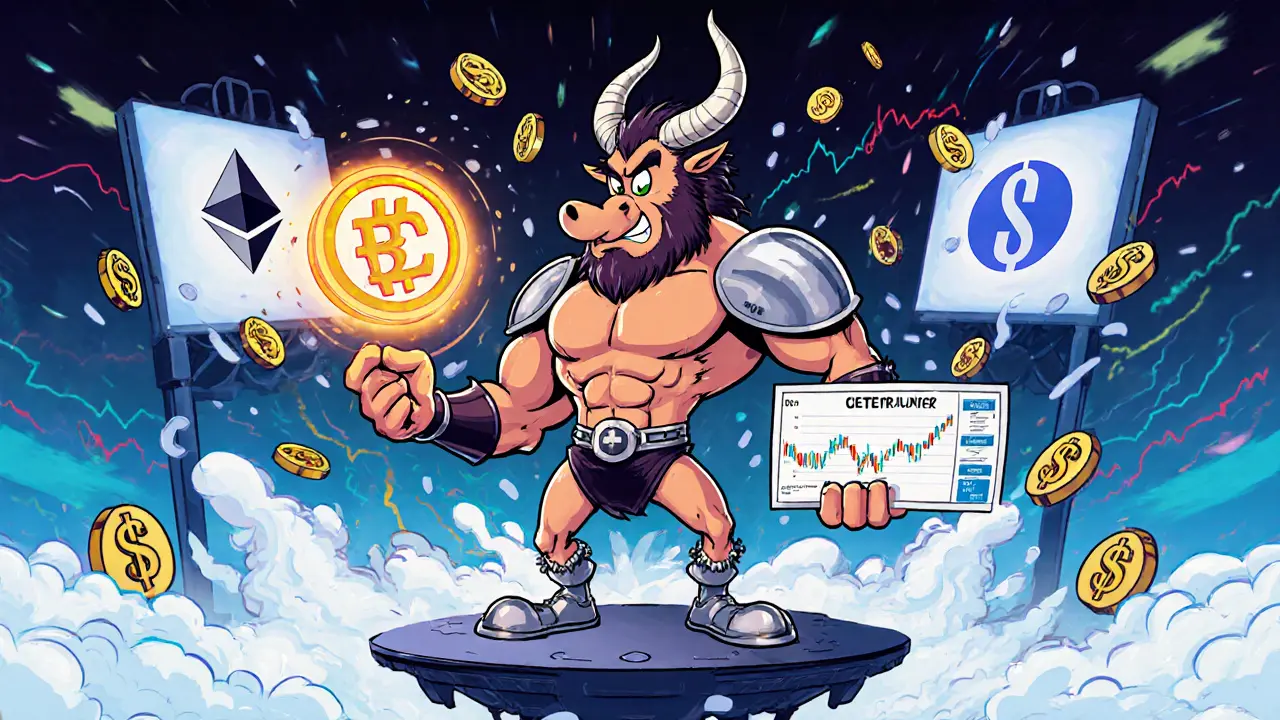
When you hear generative NFT, a type of digital artwork created by algorithms rather than manual design. Also known as algorithmic art, it uses code to randomly combine traits like backgrounds, clothing, and expressions to produce unique images—each one a one-of-a-kind NFT on the blockchain. Unlike traditional NFTs where an artist draws every piece by hand, generative NFTs are built once and then auto-generated in bulk. Think of it like a digital factory: you set the rules, the computer does the rest, and out come thousands of unique collectibles—no two alike.
This isn’t just about art. Generative NFTs are built for communities. Projects like CryptoPunks and Bored Ape Yacht Club didn’t just sell pictures—they sold access. Owning one meant joining a club, getting special perks, or even voting on future projects. The code behind these NFTs determines rarity, which drives value. A background color might show up in 1% of the collection, making those pieces worth 10x more. That’s not luck—it’s math. And that math is what makes generative NFTs different from regular digital art. They’re not just images; they’re data sets with built-in scarcity.
People often confuse generative NFTs with AI art, but they’re not the same. AI art uses machine learning to create images from text prompts. Generative NFTs use pre-coded rules to assemble assets. One is creative, the other is systematic. Both can be sold as NFTs, but only generative NFTs rely on predictable, repeatable patterns. That’s why you’ll see the same 100 layers of traits reused across thousands of pieces—it’s not lazy design, it’s intentional structure.
And it’s not just for profile pictures. Generative NFTs are now being used in gaming, virtual real estate, and even event tickets. Some projects use them as digital IDs that unlock real-world benefits. Others tie them to music, merch, or exclusive drops. The code doesn’t just make the art—it controls access. That’s why so many people care about the underlying traits: they’re not just visual, they’re functional.
But here’s the catch: not all generative NFTs hold value. Many were rushed, poorly coded, or had no roadmap. Some projects vanished after launch. Others never had a community to begin with. That’s why knowing how the system works matters. If you’re buying one, ask: Who made the rules? How many traits are there? Is the collection truly limited? Is there a team behind it—or just a smart contract?
What you’ll find below are real examples of how generative NFTs have been used—both successfully and disastrously. From projects that built loyal followings to ones that collapsed overnight, these posts show you what actually works. No fluff. No hype. Just the facts behind the art.

Categories