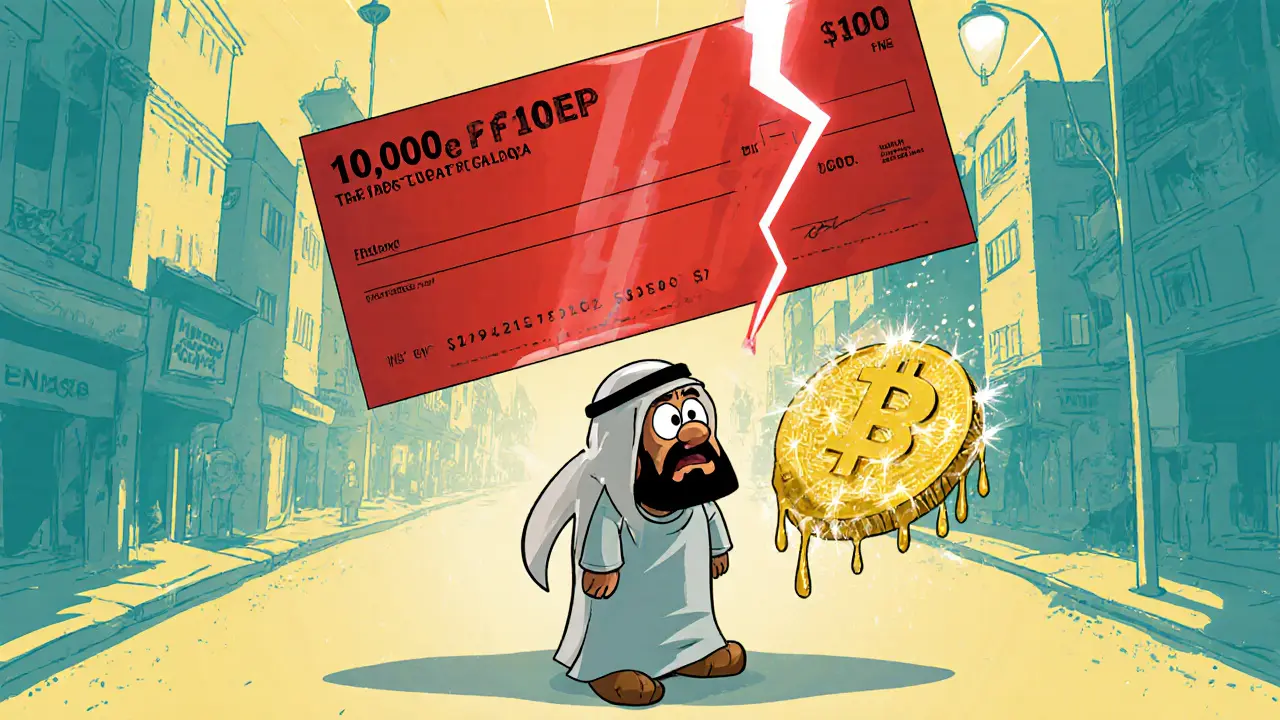
Understanding Egypt's 1‑10 Million EGP Crypto Trading Fines
Posted On October 13, 2025 21A clear breakdown of Egypt's 1‑10millionEGP crypto fines, the law behind them, enforcement agencies, real‑world impact and compliance steps.

When looking at cryptocurrency ban Egypt, the official restriction that forbids the purchase, trade, or use of crypto assets inside Egypt. Also called Egypt crypto ban, it reflects the country's stance on digital money.
This ban is a part of broader cryptocurrency regulation, laws that govern crypto activities worldwide and directly involves the Egyptian Central Bank, the authority that enforces monetary policy and financial compliance in Egypt. The cryptocurrency ban Egypt encompasses strict trading prohibitions, requires compliance with central bank directives, and influences how local investors access global markets.
Anyone holding Bitcoin, Ethereum, or any token on an Egyptian wallet now faces legal uncertainty. The ban means exchanges cannot legally operate, and fiat‑to‑crypto on‑ramps are shut down. This pushes users toward peer‑to‑peer solutions, which lack consumer protection and increase AML risks. In practice, the rule forces crypto enthusiasts to consider offshore platforms, but those come with higher fees and tighter KYC scrutiny.
Beyond the user level, the ban interacts with digital asset bans, government actions that prohibit the use of blockchain‑based tokens in a jurisdiction seen in countries like China and Algeria. Those global trends shape investor sentiment: when a major market tightens, price volatility spikes, and capital often flows to friendlier regions such as the EU or the US. The ban also triggers a compliance ripple: local businesses that once accepted crypto payments must now revert to traditional banking or risk penalties.
For compliance officers, the rule demands a clear policy stack: monitor transactions for prohibited addresses, maintain records for at least five years, and report suspicious activity to the Financial Regulatory Authority. Failure to align with the Egyptian Central Bank's guidance can result in fines, asset seizure, or even criminal charges. Companies that ignore the ban risk losing their operating license altogether.
Looking at the bigger picture, the ban influences the broader conversation about crypto compliance, the set of procedures that ensure crypto activities meet legal standards. International firms now need to map Egyptian regulations onto their global AML frameworks, ensuring that cross‑border transactions respect local prohibitions while still meeting global standards like FATF guidance.
Below you’ll find a curated set of articles that break down the ban’s technical details, compare it with other regulatory moves, and offer practical steps for staying compliant whether you’re an investor, trader, or business owner. Dive in to see how the ban reshapes the crypto landscape in Egypt and what you can do to protect your assets today.
A clear breakdown of Egypt's 1‑10millionEGP crypto fines, the law behind them, enforcement agencies, real‑world impact and compliance steps.





Categories