Blockchain Ticketing: How Blockchain Is Changing Event Ticket Sales
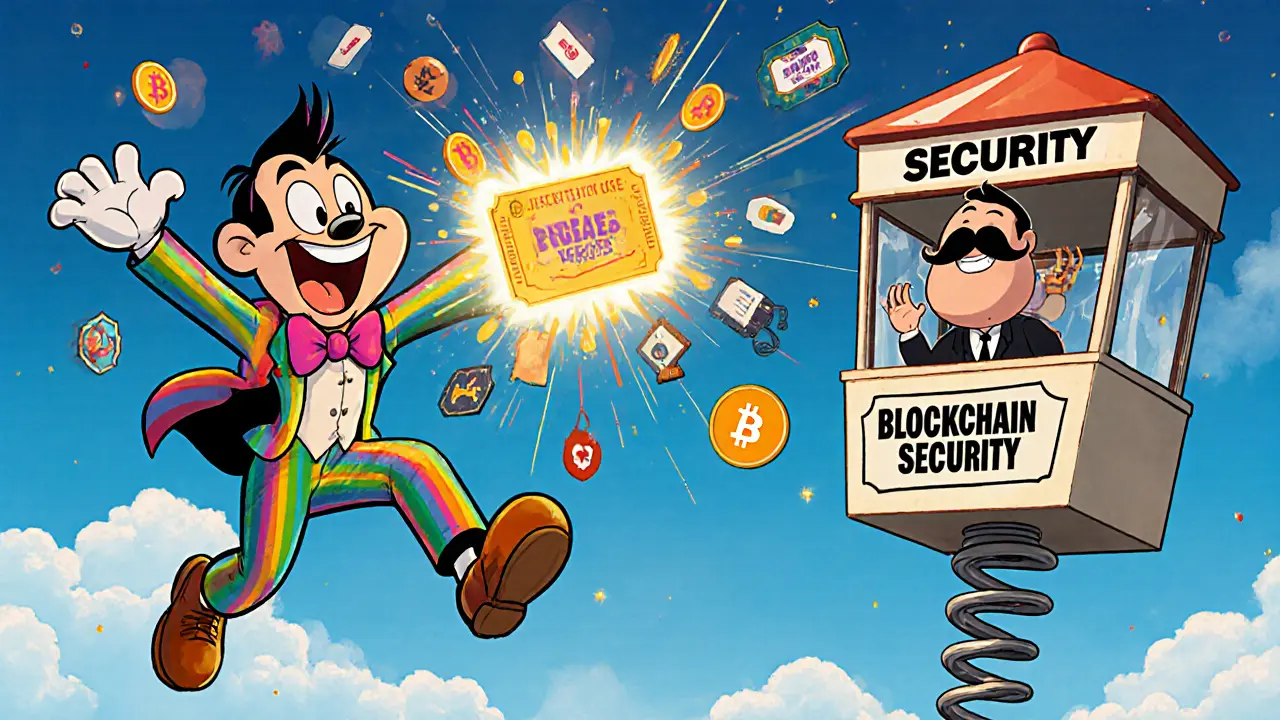
When you buy a concert or sports ticket, you're often stuck with a paper or PDF pass that can be copied, sold at inflated prices, or even fake. Blockchain ticketing, a system that uses decentralized ledgers and smart contracts to issue and verify event access. Also known as NFT tickets, it turns each ticket into a unique digital asset you truly own — not just a code you downloaded. Unlike traditional systems where a third party controls your ticket, blockchain ticketing puts control back in your hands. No more scalpers buying up hundreds of tickets to resell for triple the price. No more lost tickets. No more fake QR codes that don’t scan at the gate.
This isn’t theory — it’s already happening. Events from music festivals to NBA games are testing blockchain-based systems because they solve real problems. Smart contract tickets, automated digital agreements that enforce rules like resale limits, transfer restrictions, and fan rewards. These contracts can be programmed to only allow resale at face value, or to give original buyers a cut when someone else sells their ticket. They can even reward fans with exclusive content or early access to future events just for holding the ticket. And because every transaction is recorded on a public ledger, fraud becomes nearly impossible.
What makes blockchain ticketing different from apps like Ticketmaster? It’s not just about security — it’s about ownership. When you hold a blockchain ticket, you’re not renting access from a company. You’re holding a verifiable, transferable asset. That means you can sell it, gift it, or even trade it like a collectible. Some platforms even let you earn royalties every time your ticket changes hands. This turns a one-time purchase into a long-term relationship between fans and organizers.
But it’s not perfect. Adoption is still slow. Not every venue has the tech setup. Some fans find it confusing to connect a wallet or manage private keys. And while blockchain stops scalpers, it doesn’t fix everything — poor customer service, bad seating maps, and lack of mobile integration still exist. Still, the shift is real. More artists, teams, and festivals are ditching legacy systems because they’re tired of losing money to fraud and middlemen.
Below, you’ll find real-world examples of how blockchain ticketing is being used — and where it’s falling short. Some posts expose scams pretending to be NFT ticket platforms. Others break down how specific events implemented it successfully. You’ll see what works, what doesn’t, and how to spot a fake blockchain ticket before you pay for one. Whether you’re a fan trying to get into a show, an organizer looking to cut costs, or just curious about how tech is changing live events, these stories give you the facts — no hype, no fluff.

Categories