Bitcoin India: What You Need to Know About Crypto, Regulations, and Local Trends
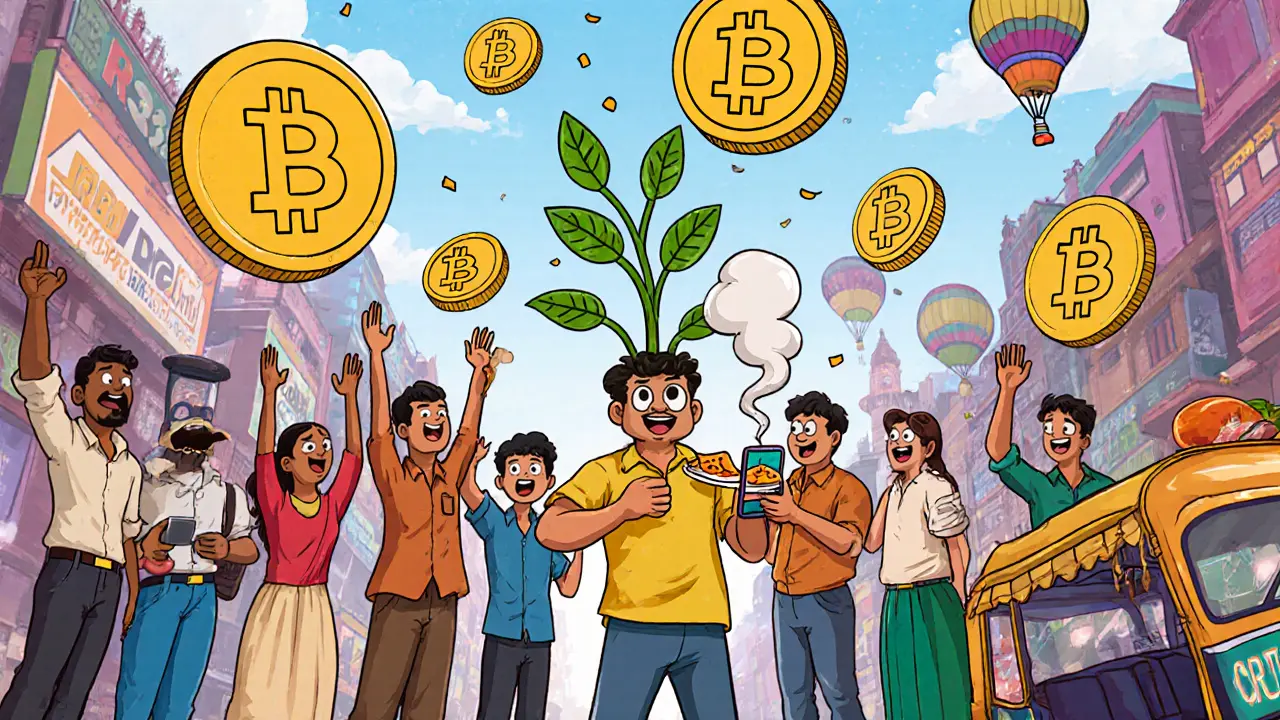
When people talk about Bitcoin India, the growing but complicated relationship between Bitcoin and India’s financial system. Also known as crypto in India, it’s not just about buying and selling—it’s about navigating banking bans, tax rules, and a population that’s deeply curious but cautious. India has one of the largest crypto user bases in the world, with millions trading Bitcoin even when banks made it hard. Unlike countries that embraced crypto outright, India walks a tightrope: no outright ban, but no clear support either. The Reserve Bank of India once blocked banks from serving crypto businesses, and while that rule was overturned in court, the distrust lingers. Many Indians now use peer-to-peer platforms, stablecoins, or foreign exchanges to trade Bitcoin—because local banks still freeze accounts linked to crypto activity.
That’s where Indian crypto regulations, the patchwork of tax laws and licensing rules that govern digital assets in India come in. In 2022, the government slapped a 30% tax on crypto gains and a 1% TDS on every trade. No deductions, no losses offset—just a flat cut. Then came the requirement for exchanges to collect KYC data and report to tax authorities. These rules didn’t kill Bitcoin adoption—they just pushed it underground in some ways and made users more careful. Meanwhile, crypto taxes India, how the Indian government tracks and collects revenue from digital asset transactions is becoming a major headache for traders. If you bought Bitcoin in 2021 and sold in 2024, you owe taxes—even if you lost money on other trades. The system doesn’t care about your overall portfolio, only each transaction.
And then there’s the reality on the ground: people in India still buy Bitcoin. Not because it’s easy, but because it’s accessible. P2P platforms like WazirX and CoinDCX let users trade INR for BTC with UPI, net banking, or even cash deposits. Some use crypto to send money abroad, bypassing traditional remittance fees. Others see it as a hedge against inflation, especially after the rupee’s slow decline. But scams are everywhere. Fake airdrops like BAKECOIN or Unbound NFTs prey on people who don’t know the difference between real projects and phishing traps. That’s why so many posts here focus on warning signs—because in India, the biggest risk isn’t price drops, it’s getting scammed.
What you’ll find below isn’t a list of Bitcoin price predictions. It’s a collection of real stories, broken platforms, tax traps, and scam alerts that Indian crypto users actually face. From exchanges that vanished overnight to meme coins with zero utility, these posts cut through the noise. You won’t find fluff. Just what works, what doesn’t, and what to avoid if you’re trading Bitcoin in India today.




Categories