
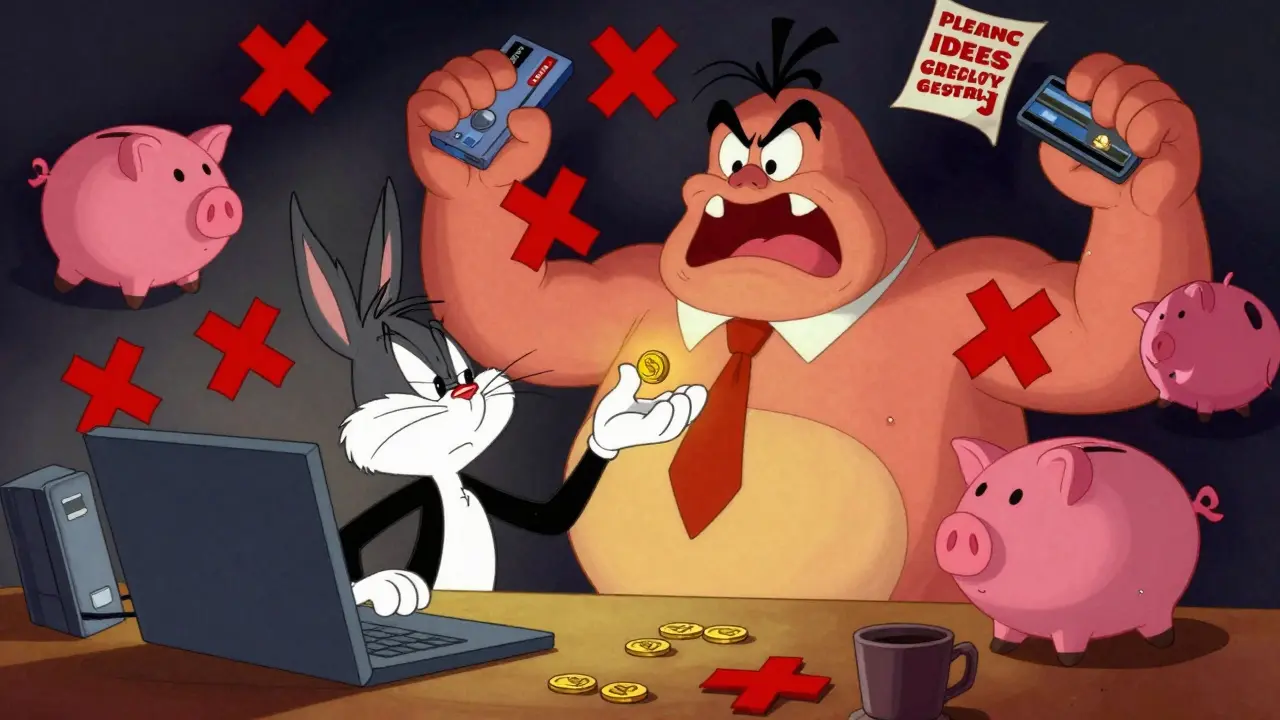
Imagine reading a single article and paying exactly $0.05 for it. No subscription wall. No annoying pop-up ads asking you to disable your ad blocker. Just a tiny, instant transaction that puts money directly into the writer's pocket. This is the promise of micropayments for content on blockchain, a system designed to fix the broken economics of digital media.
Right now, most creators rely on two shaky pillars: advertising and subscriptions. Ads are becoming less effective as users block them, and subscriptions force fans to pay for entire catalogs when they might only want one specific piece of content. The current model leaves many talented writers, artists, and educators unable to make a living because the transaction costs of charging small amounts are too high. Traditional payment processors like credit card companies charge fixed fees that eat up tiny payments entirely.
Blockchain technology changes this math. By using cryptocurrencies and smart contracts, we can process payments that are fractions of a cent with near-zero fees. This opens the door to a "pay-per-view" or "pay-per-article" economy where value is exchanged directly between the consumer and the creator. But how does it actually work, and is it ready for everyday use in 2026?
Why Traditional Payments Fail Micropayments
To understand why blockchain is necessary here, you have to look at the friction in traditional finance. When you buy a coffee for $3.00, the merchant doesn't keep all $3.00. They pay interchange fees, processing fees, and sometimes flat rates. If a service charges $0.30 per transaction plus a percentage, selling an e-book for $1.00 means the creator keeps almost nothing.
This is known as the "transaction cost problem." For years, fintech solutions tried to solve this by aggregating payments. Think about how Google Ads or freelance platforms like Fiverr work. They don't pay you out every time someone clicks an ad or buys a gig. Instead, they hold the money in a digital wallet until it reaches a threshold, say $100, before sending it to your bank account. This batching reduces the number of transactions and saves on fees.
While aggregation works for large platforms, it creates a barrier for independent creators. You still need a middleman to hold your money. You still face payout delays. And you often lose control over your audience data. Blockchain removes the middleman entirely, allowing for instant settlement without the need for a central authority to batch transactions.
How Blockchain Micropayments Work
The technical architecture behind these systems relies on three main components: tokens, wallets, and smart contracts. Let's break down each part so you can see how they fit together.
1. Tokens as Currency
Instead of using dollars or euros, these systems use digital tokens. These can be fungible tokens (like stablecoins pegged to the US Dollar) or utility tokens specific to a platform. Using a stablecoin is crucial for content monetization because it avoids the volatility of assets like Bitcoin. You don't want to sell an article for 0.0001 BTC only to watch its value swing wildly by the time you cash out.
2. Digital Wallets
Users need a way to store and send these tokens. In the early days of crypto, managing private keys was a nightmare for average users. Today, user experience has improved significantly. Many browsers and apps now offer embedded wallets that hide the complexity of cryptography from the user. You log in with your email or social media, and the wallet handles the rest in the background.
3. Smart Contracts
This is the engine of the system. A smart contract is a self-executing contract with the terms of the agreement directly written into code. When you pay for an article, the smart contract automatically verifies the payment and unlocks the content. It can also split the revenue instantly. If a journalist writes an article but uses photos from another creator, the smart contract can send 90% to the writer and 10% to the photographer immediately, without any invoicing or accounting lag.
Types of Tokens in Content Monetization
Not all tokens are created equal. Depending on what you want to achieve, creators use different types of digital assets.
| Token Type | Primary Function | Best Used For | Example Scenario |
|---|---|---|---|
| Fungible Tokens | Currency / Access Pass | Pay-per-view articles, tipping, subscriptions | Paying $0.10 to unlock a premium blog post |
| Non-Fungible Tokens (NFTs) | Ownership / Collectibility | Digital art, limited edition audio, certificates | Selling a unique digital painting or a signed tweet |
| Governance Tokens | Voting Rights / Community Control | Deciding future content topics, platform rules | Fans voting on which documentary series to fund next |
Fungible tokens are the workhorses of micropayments. They act like cash. You buy them, you spend them. NFTs, on the other hand, are about uniqueness. If a musician releases a special track as an NFT, owning it proves you have the original version. Governance tokens add a layer of community engagement. Imagine a news outlet where readers who hold tokens get to vote on which investigative stories should be pursued next. This aligns the creator's incentives with their audience's desires.
Real-World Use Cases for Creators
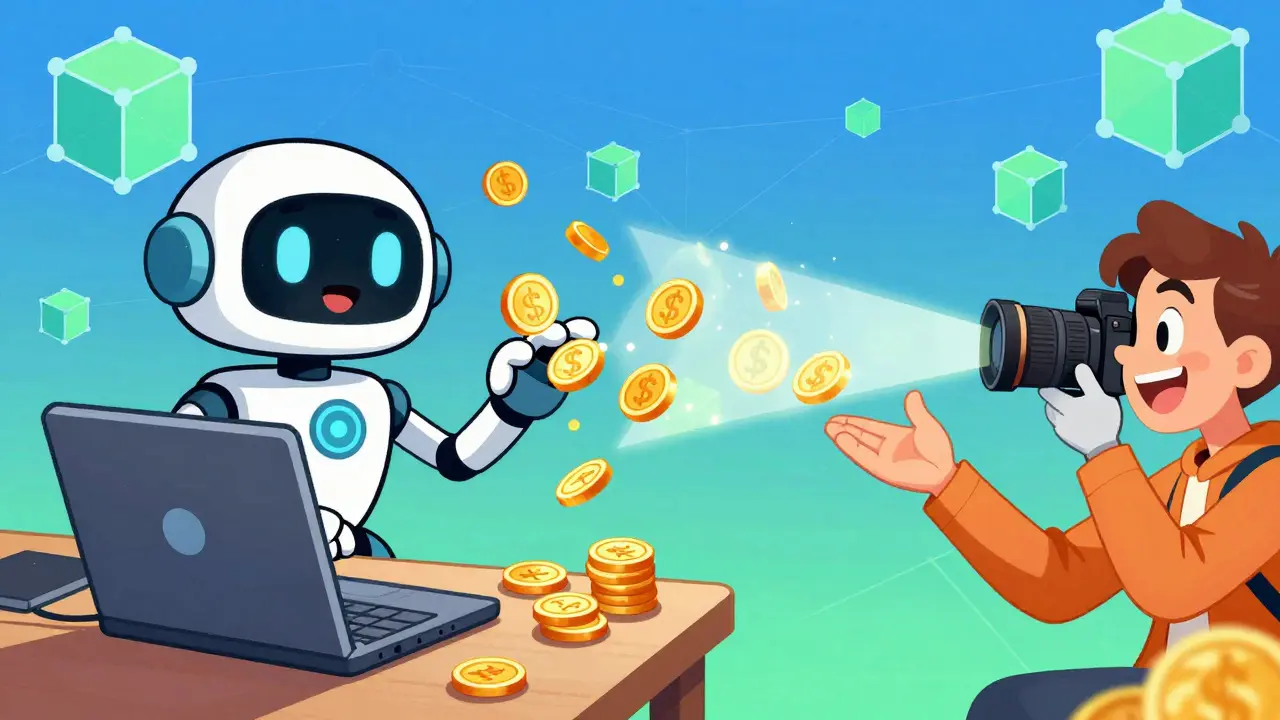
So, who is actually using this? It’s not just theoretical anymore. We are seeing several practical applications emerge across different content verticals.
Journalism and Blogging
Independent journalists are using blockchain to bypass media conglomerates. Platforms exist where readers subscribe to a feed, but instead of paying a monthly fee, they pre-load a wallet. As they read articles, micro-transactions happen in real-time. The more they read from a specific author, the more that author earns. This rewards quality and engagement rather than clickbait.
Music and Audio
Streaming services have long been criticized for paying artists fractions of a penny per stream. Blockchain-based music platforms allow fans to tip artists directly during a live stream or purchase exclusive tracks via NFTs. Some projects even use smart contracts to ensure that every time a song is resold or licensed, the original artist gets a royalty cut automatically.
Online Education
Instructors can sell individual video lessons rather than forcing students to buy a full course. A student interested only in "Advanced Python Loops" can pay $0.50 for that specific five-minute video. This lowers the barrier to entry for learners and allows educators to monetize granular knowledge.
Barriers to Adoption in 2026
Despite the potential, widespread adoption faces significant hurdles. The technology is promising, but the user experience must be flawless for mass appeal.
User Experience Complexity
Average users do not want to manage seed phrases or worry about losing access to their funds if they lose their phone. While embedded wallets help, the mental load of understanding "gas fees" (the cost to execute transactions on a blockchain) remains a friction point. If a user has to pay $2.00 in gas fees to buy a $0.50 article, the system fails. Solutions like Layer 2 scaling networks (such as Polygon or Arbitrum) have reduced these fees to fractions of a cent, but users still need education on why these steps exist.
Volatility and Stability
As mentioned earlier, cryptocurrency volatility is a major issue. If a creator receives payment in a volatile token, their income becomes unpredictable. The solution lies in stablecoins-tokens pegged to fiat currencies like the USD. However, regulatory scrutiny around stablecoins varies by region, creating uncertainty for businesses operating globally.
Regulatory Uncertainty
Governments are still figuring out how to tax and regulate crypto transactions. Is a micropayment considered income? Who reports it? For creators, this adds a layer of compliance complexity that didn't exist with PayPal or Stripe. Clear legal frameworks are essential for mainstream acceptance.

Getting Started: A Practical Guide
If you are a creator looking to experiment with blockchain micropayments, here is a step-by-step approach to getting started without getting overwhelmed.
- Choose the Right Platform: Don't build from scratch. Use existing platforms that support crypto tips or micropayments, such as Ko-fi (which now supports crypto), Patreon (exploring Web3 features), or specialized Web3 publishing platforms like Mirror.xyz.
- Select a Stablecoin: Opt for payments in USDC or USDT to avoid volatility. Ensure your chosen platform supports these widely accepted stablecoins.
- Set Up a User-Friendly Wallet: Recommend a simple wallet to your audience, like MetaMask or Phantom, but provide clear tutorials. Consider using "link-to-pay" tools that allow users to pay with credit cards, with the conversion happening behind the scenes.
- Start Small: Introduce micropayments for bonus content first. Keep your main content free to build an audience, then offer premium insights, early access, or exclusive community chats for a small fee.
- Educate Your Audience: Explain why you are using this model. Highlight the benefits: direct support, no ads, and fair compensation. Transparency builds trust.
The goal is to reduce friction. If the process takes more than three clicks, you will lose most users. The best systems are invisible-they feel like normal web interactions, with the blockchain working silently in the background.
The Future of Content Monetization
We are moving away from the attention economy, where users are the product sold to advertisers, toward an ownership economy, where users own their data and pay directly for value. Blockchain micropayments are a key infrastructure piece in this shift.
As Layer 2 solutions become faster and cheaper, and as regulatory clarity improves, we will likely see hybrid models. Major publishers may integrate crypto wallets alongside traditional credit card options. Social media platforms might introduce native tipping features powered by blockchain to reduce their own payment processing costs.
For creators, this means more autonomy. You are no longer dependent on algorithm changes from Facebook or YouTube. You build a direct financial relationship with your audience. Every dollar spent goes further, and every interaction has tangible value. The dream of a sustainable, diverse internet where niche creators can thrive is closer than ever, provided we can solve the last-mile problems of usability and regulation.
What is the minimum amount for a blockchain micropayment?
Theoretically, there is no minimum. On efficient blockchains like Polygon or Solana, transactions can cost less than $0.001. This allows for payments as small as fractions of a cent, making true micropayments economically viable.
Do I need to know coding to accept blockchain micropayments?
No. Most modern platforms handle the technical integration for you. You simply connect your digital wallet, set your prices, and start creating. The smart contracts and backend logic are managed by the platform providers.
Are blockchain micropayments taxable?
Yes, in most jurisdictions, income received via cryptocurrency is treated as taxable income. You should consult with a tax professional to understand how to report these earnings, especially if you are converting crypto to fiat currency regularly.
Which blockchain is best for content micropayments?
Blockchains with low transaction fees and high speed are ideal. Ethereum Layer 2 solutions (like Arbitrum or Optimism), Polygon, and Solana are popular choices because they minimize gas fees, ensuring that the cost of sending a micropayment doesn't exceed the payment itself.
Can users pay with credit cards for blockchain micropayments?
Many platforms now offer on-ramps that allow users to pay with credit cards. The platform converts the fiat currency into cryptocurrency instantly and sends it to the creator's wallet. This hides the crypto complexity from the end-user.


Categories