Adshares Cost Savings Calculator
Calculate Your Savings
See how much you could save by switching from traditional advertising to Adshares.
Estimated Savings
Enter your budget to see savings
| Category | Traditional Advertising | Adshares Network |
|---|---|---|
| Costs | $0.00 | $0.00 |
| Transaction Fees | 30% | 1% |
| Ad Fraud Risk | 5% | 0% |
Calculations based on industry averages: 30% platform fees and 5% fraud loss for traditional advertising. Adshares network fees are estimated at 1% with blockchain-based fraud prevention.
Adshares (ADS) is a cryptocurrency designed to fix the broken digital advertising industry. Every second, billions of dollars change hands in online ads-but most of that money vanishes into middlemen fees and fraud. Adshares cuts out the middlemen entirely, letting advertisers and publishers transact directly using blockchain technology.
How Adshares Works
Adshares runs on its own ultra-fast delegated Proof-of-Stake (dPoS) blockchain. This system processes transactions at 1.4 million per second, making it one of the fastest blockchains available. It also works across Ethereum, Binance Smart Chain, and Polygon, so developers can easily integrate it into apps without starting from scratch.
When an advertiser wants to run a campaign, they send ADS tokens to the Adshares network. The platform matches them with publishers who have ad space available. Every transaction is recorded on the blockchain, so both parties see exactly what’s happening. No hidden fees, no fake clicks-just direct, trustless deals.
Solving Real Problems in Digital Advertising
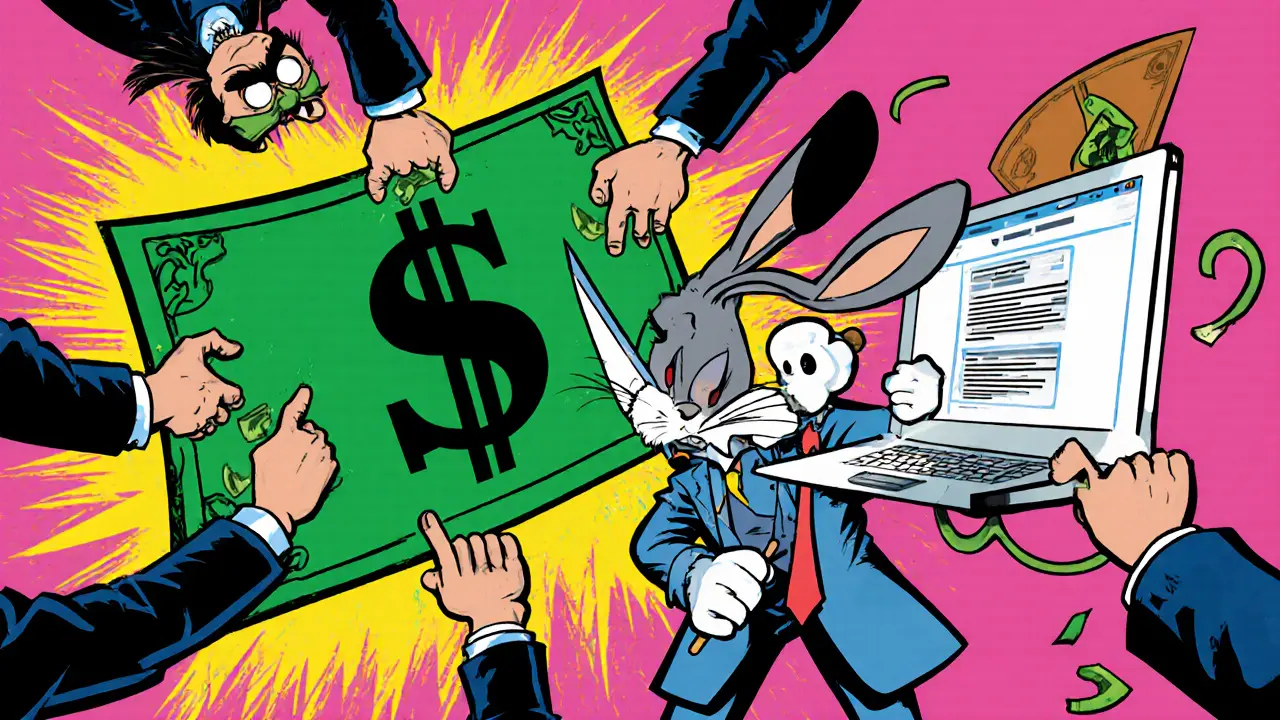
Traditional digital advertising is broken. The industry loses an estimated $19 billion yearly to fraud alone. Adshares tackles this head-on. By recording every ad impression and click on the blockchain, it creates a tamper-proof record. This means advertisers only pay for real views, and publishers get paid fairly for genuine traffic.
Ad fraud is a massive issue. Fake clicks, bot traffic, and misleading impressions cost advertisers billions each year. Traditional platforms struggle to detect these frauds because they rely on third-party verification tools that often lag behind fraudsters’ tactics. Adshares solves this by making every ad interaction a blockchain transaction. When an ad is shown, the system records the exact time, location, and device used-verified by multiple nodes on the network. This creates an unchangeable log that advertisers can audit in real-time. If a publisher claims an ad was shown to 10,000 users, the blockchain proof shows exactly who saw it, when, and where-eliminating the possibility of fake impressions.
Another big issue is hidden fees. When you buy ads through Google or Facebook, you’re not just paying for the ad space-you’re also paying for the platform’s cut. Adshares removes these middlemen entirely. Advertisers pay publishers directly, so more money goes where it should-into the content creators’ pockets.
| Aspect | Traditional Advertising | Adshares |
|---|---|---|
| Intermediaries | Multiple middlemen take fees (up to 30% of budget) | Direct peer-to-peer transactions with minimal fees |
| Fraud Prevention | High risk of fake clicks and impressions | Immutable blockchain records prevent fraud |
| Transparency | Opaque pricing and metrics | Real-time transparent data for all parties |
| Transaction Speed | Slow processing times (hours or days) | 1.4 million transactions per second |
| Data Privacy | Sells user data to third parties | Publishers control data sharing |
Current Market Status of ADS
As of October 2025, Adshares (ADS) trades at around $0.7652 per token. The total supply is capped at 38,758,203 ADS, with nearly all of them already in circulation. Its market capitalization sits between $12 million and $25 million, depending on the source, placing it around #1404 in the crypto market. Daily trading volume is about $32,552, mostly on platforms like Uniswap V4 (Ethereum), PancakeSwap, and BitMart.
ADS tokens have seen significant price volatility. The all-time high was 0.0001550 BTC (around $1.45 at the time), while the all-time low was 0.00000157 BTC (about $0.000014). As of October 2025, it’s trading 92.5% below its peak but 4,042% above its lowest point. This volatility reflects the early-stage nature of the project and the crypto market’s overall unpredictability.
ADS holders can also earn passive income by staking their tokens. A portion of all transaction fees on the network goes to stakers as passive income. The more transactions the network processes, the higher the rewards-meaning your earnings grow as the platform becomes more popular.
Getting Started with Adshares
If you’re a developer, Adshares offers an open-source SDK that lets you integrate ad functionality into apps, games, or websites. The SDK works with popular frameworks like React and Unity, making it easy to add ad functionality without blockchain expertise. For instance, a game developer could integrate Adshares to display rewarded ads where players earn ADS tokens for watching videos-without needing a middleman to handle payments.
For advertisers and publishers, getting started is simple. You’ll need a crypto wallet that supports ADS tokens-like MetaMask or Trust Wallet-and some ADS tokens to start transacting. The platform’s website has step-by-step guides for setting up wallets and connecting to the Adshares network.
Always use a hardware wallet like Ledger or Trezor for storing larger amounts of ADS tokens. Software wallets like MetaMask are convenient but vulnerable to phishing attacks. Never share your private keys or recovery phrases with anyone-legitimate support teams will never ask for them.
Challenges and Future Outlook
Adshares isn’t without hurdles. The cryptocurrency market is volatile, so ADS token prices can swing wildly. This makes budgeting for ads tricky-if the token value drops, your ad spend might not go as far as expected. Also, while the technology is impressive, widespread adoption is still slow. Many advertisers and publishers are used to traditional platforms and may be hesitant to switch.
Regulatory uncertainty is another hurdle. Different countries have varying rules about cryptocurrency use in advertising, which could impact Adshares’ global expansion. For example, some regions may restrict how ADS tokens can be used for ad payments, requiring the platform to adapt its business model locally.
But the future looks promising. As more companies look for transparent, fraud-free advertising solutions, Adshares’ decentralized model could become a standard. The platform’s ability to handle massive transaction volumes and its cross-chain compatibility give it an edge over single-chain competitors. Plus, with ongoing developer support and a growing community, Adshares is steadily building the infrastructure needed for mainstream adoption.
What is Adshares (ADS) used for?
Adshares (ADS) powers a decentralized advertising network where advertisers and publishers transact directly without middlemen. It’s designed to eliminate fraud, reduce costs, and provide transparent ad transactions through blockchain technology.
How fast is the Adshares blockchain?
The Adshares blockchain processes up to 1.4 million transactions per second. This makes it one of the fastest blockchains available, far surpassing Ethereum (which handles around 15-30 transactions per second) and Bitcoin (around 7 transactions per second).
Where can I buy ADS tokens?
You can buy ADS tokens on decentralized exchanges like Uniswap V4 (Ethereum), PancakeSwap, and BitMart. Always verify the correct token symbol (ADS) and contract address before trading to avoid scams.
Is Adshares safe from ad fraud?
Yes. Every ad transaction on Adshares is recorded on the blockchain, creating an immutable record. This prevents fake clicks and impressions, as all data is transparent and verifiable by anyone. Advertisers only pay for real engagements, which significantly reduces fraud.
How does staking work for ADS holders?
ADS holders can stake their tokens in the native wallet to earn rewards. A portion of all transaction fees on the network is distributed to stakers as passive income. The more transactions the network processes, the higher the rewards-meaning your earnings grow as the platform becomes more popular.