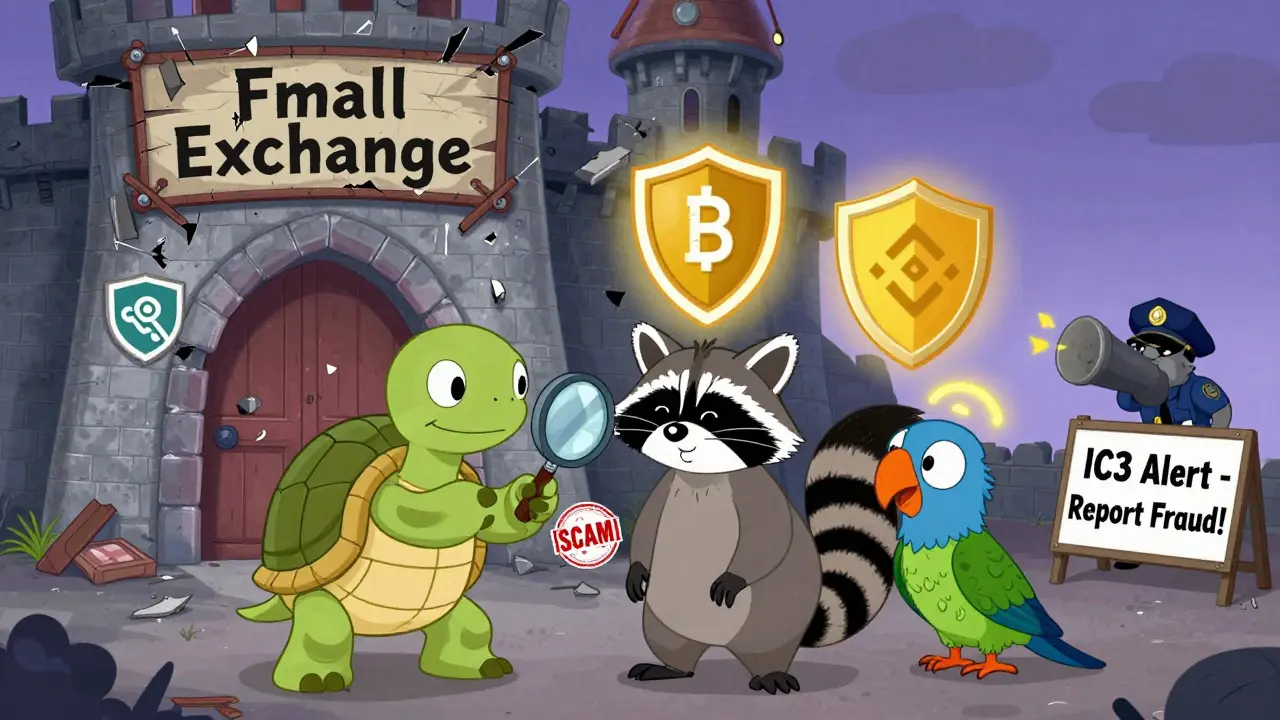
There’s no such thing as a legitimate crypto exchange called Fmall Exchange. Not on any official registry. Not in any trusted review database. Not even in the background noise of shady crypto forums. If you’ve seen ads for Fmall Exchange promising high returns, low fees, or exclusive coins, you’re being targeted by a scam.
Real crypto exchanges like Binance, Coinbase, and Kraken are regulated, audited, and listed on financial watchdog sites. They publish clear fee structures, list supported coins, and have public customer support channels. Fmall Exchange has none of that. No website history. No domain registration records that check out. No user reviews on Trustpilot or Reddit. No mention from the SEC, FINRA, or any global financial authority.
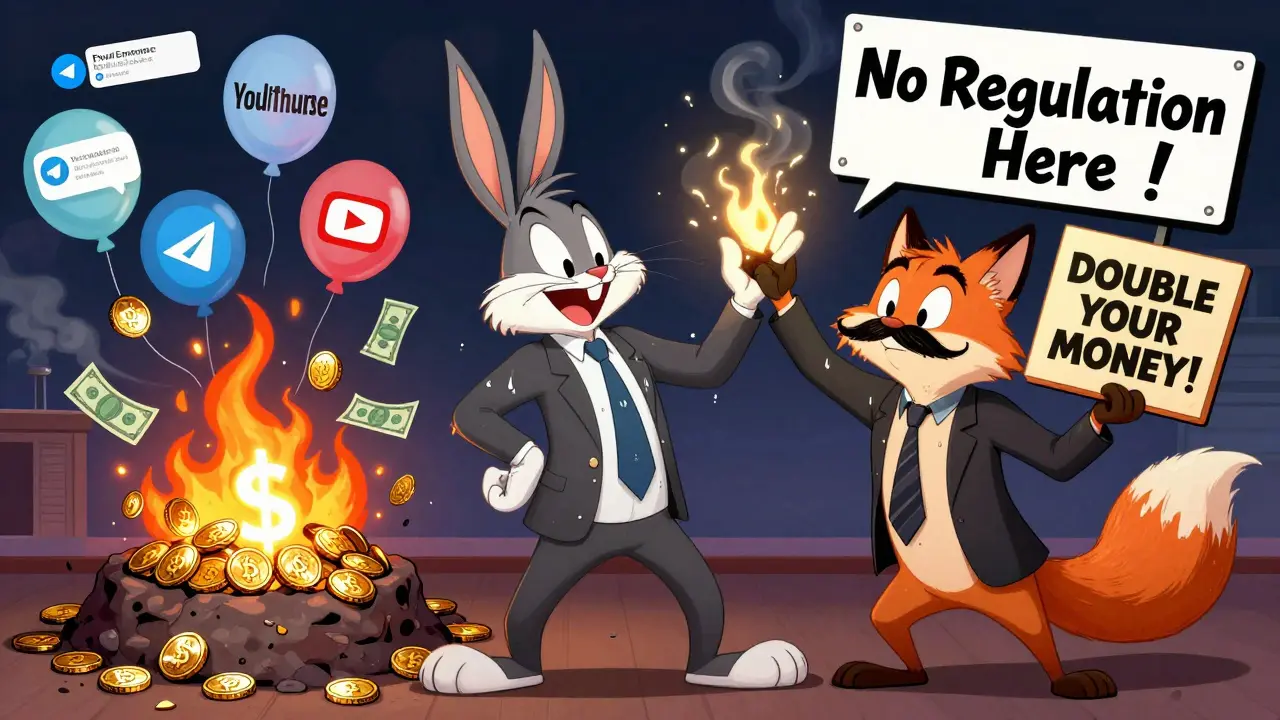
Here’s how these scams work: You’ll get a pop-up ad, a Telegram message, or a YouTube influencer pushing “Fmall Exchange” as the next big thing. They’ll show fake screenshots of profits - $10,000 turned into $100,000 in a week. Then they’ll ask you to deposit crypto or fiat to “unlock” trading or withdraw your “earnings.” Once you send money, the platform disappears. No customer service. No refunds. No trace.
There’s a pattern here. In 2024, over 1,200 fake crypto exchanges were shut down by international regulators. PlusToken, Bitconnect, and CryptoWallet.com were all once promoted like Fmall Exchange is now. All promised easy money. All vanished with billions in stolen funds. The same red flags appear every time: no regulation, no transparency, no real company details.
Check the domain. If Fmall Exchange’s website is hosted on a free service like Freenom or uses a suspicious TLD like .xyz, .top, or .io with no verifiable business address, that’s a dead giveaway. Legitimate exchanges pay for premium domains, use HTTPS with valid SSL certificates, and list their legal entity name and registration number - usually in the footer.
Look at the team. Real exchanges publish bios of their founders and compliance officers. Fmall Exchange? No names. No LinkedIn profiles. No press releases. Just a generic “team” photo that looks stock-photoshopped. That’s not a company. That’s a front.
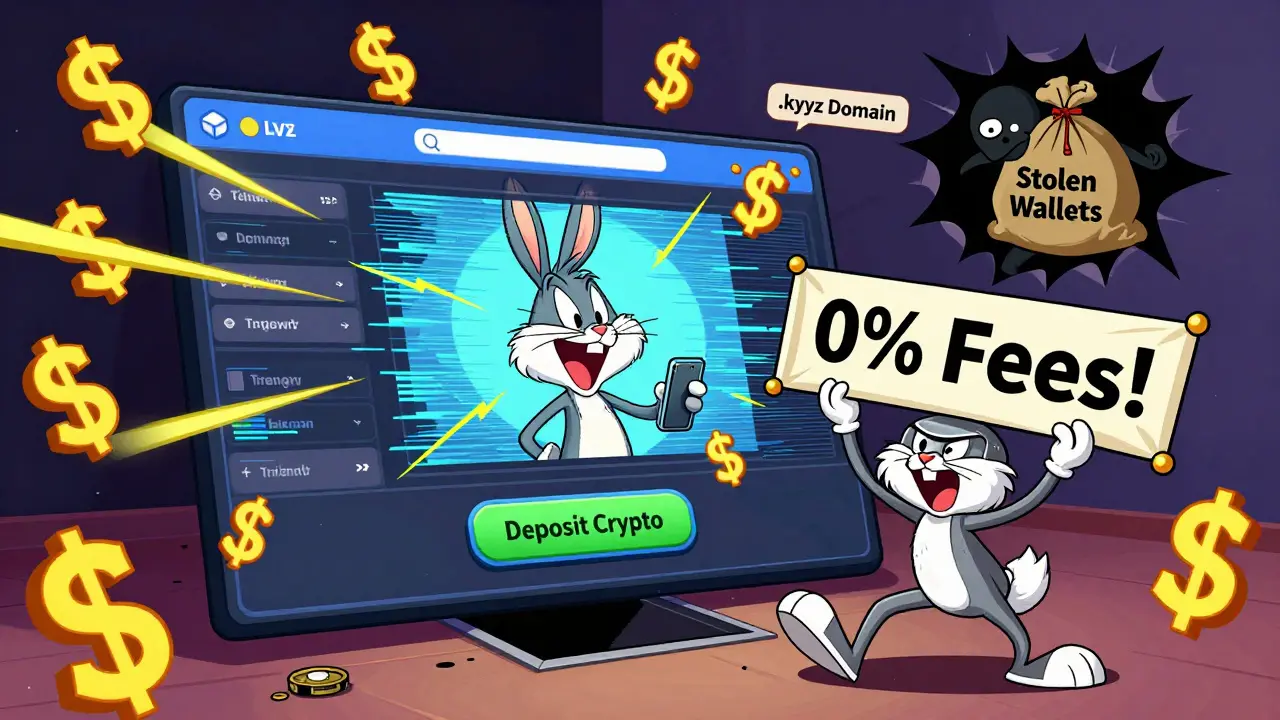
Trading fees? They claim “0% fees.” That’s impossible. Even the biggest exchanges like Binance charge a small fee to cover infrastructure, security, and compliance. If they’re offering zero fees, they’re making money another way - by stealing your deposits.
Supported coins? They’ll list Bitcoin, Ethereum, and a few obscure tokens no one’s ever heard of. But if you try to deposit or withdraw, the system freezes. Or worse - your wallet gets drained after you confirm the transaction. That’s not a glitch. That’s how the scam is designed.
There are no user testimonials from real people on independent platforms. All the “reviews” are on the Fmall Exchange site itself - written in broken English, glowing with unrealistic praise, and posted within minutes of each other. That’s bot-generated content. A red flag.
Regulators in the U.S., EU, Australia, and New Zealand have all issued warnings about fake crypto platforms. The New Zealand Financial Markets Authority has listed over 30 fraudulent exchanges since 2022. Fmall Exchange isn’t on their list because it doesn’t exist - and that’s the problem. Legit platforms get flagged and investigated. This one is invisible because it’s not real.
If you’ve already sent funds to Fmall Exchange, stop. Do not deposit more. Save all screenshots, emails, and transaction IDs. Report it to your local financial regulator and to the IC3 (Internet Crime Complaint Center) in the U.S. or the New Zealand Police Cybercrime Unit. Recovery is rare, but reporting helps shut these operations down before they target others.
Stick to exchanges that are listed on CoinMarketCap or CoinGecko with verified status. Use platforms that are regulated in the U.S., EU, or Australia. If you’re unsure, search “[exchange name] + scam” or “[exchange name] + review Reddit.” If the first few results are warnings, walk away.
Crypto is risky enough without adding fraud to the mix. There are thousands of legitimate ways to trade, earn, and invest in digital assets. You don’t need to gamble on a name you can’t verify. Fmall Exchange isn’t a platform. It’s a trap.
What to Do If You’ve Been Scammed
- Stop all communication with the platform immediately.
- Do not send more money - no matter what they promise.
- Document everything: screenshots, emails, transaction hashes, chat logs.
- Report to your local financial crime unit or cybercrime agency.
- File a complaint with the IC3 (if in the U.S.) or New Zealand Police Cybercrime Unit.
- Warn others on Reddit, Twitter, or crypto forums - but avoid spreading unverified claims.
How to Spot a Fake Crypto Exchange
- No regulatory license or registration number listed.
- Website uses free hosting or suspicious domain extensions (.xyz, .top, .club).
- No verifiable company address or legal entity details.
- Overpromising returns - “double your money in 7 days” is always a lie.
- Only accepts crypto deposits, not fiat (bank transfers).
- No customer support phone number or live chat.
- Reviews only on their own site - zero on Trustpilot, Reddit, or Glassdoor.
- App is only available on their website, not on Google Play or Apple App Store.
Legit Alternatives to Fmall Exchange
If you want to trade crypto safely, use platforms that have been around for years and are regulated by major authorities:
- Coinbase - Licensed in the U.S., supports 235+ coins, clear fee structure.
- Kraken - Based in the U.S. and EU, 350+ cryptocurrencies, low fees for high-volume traders.
- Binance US - Separate from Binance.com, fully compliant with U.S. regulations.
- Gemini - Founded by the Winklevoss twins, regulated in New York.
- Crypto.com - Offers a Visa card and insured custody, operates in over 100 countries.
All of these exchanges have public audit reports, real customer service teams, and transparent fee schedules. None of them will ever ask you to send money to “unlock” withdrawals. If they do, it’s a scam.