
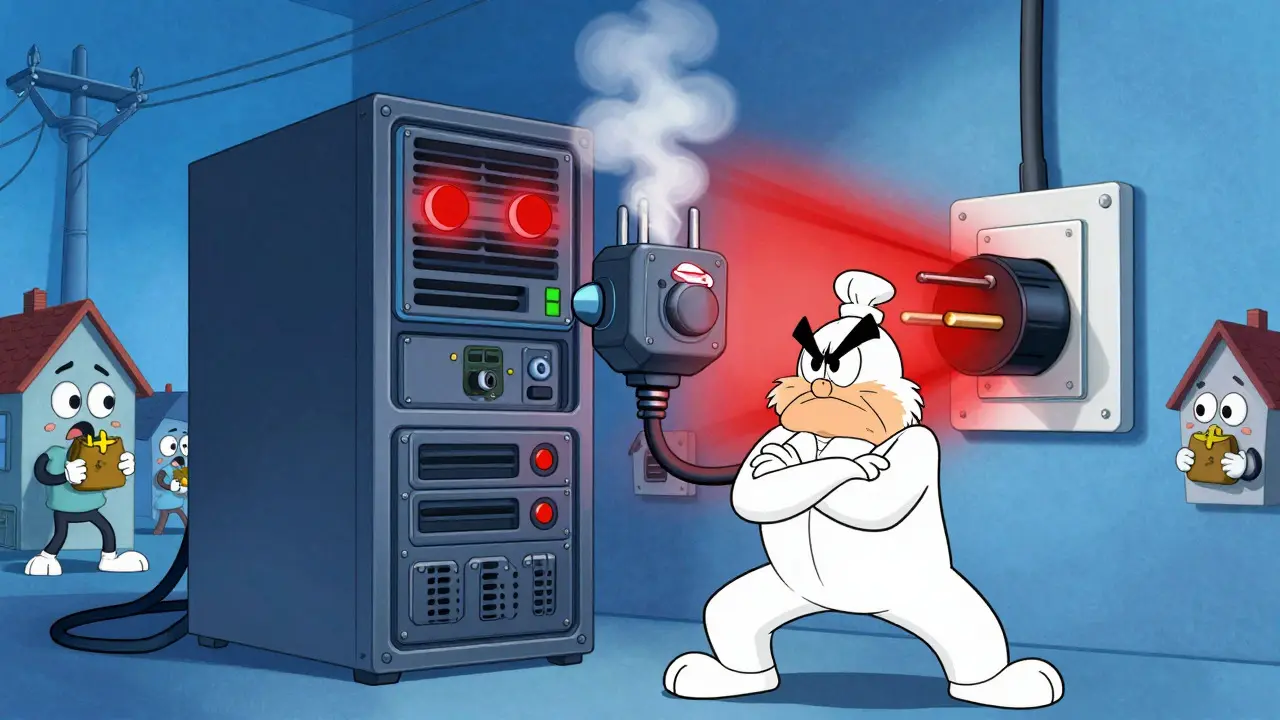
Imagine trying to plug a massive industrial heater into your home outlet, but the utility company says, "Nope, we're saving that power for everyone else." That is essentially what happened to Bitcoin miners in New Brunswick. Since November 2023, the province has enforced a strict moratorium on electricity connections for new cryptocurrency mining operations, effectively locking the door on this energy-hungry industry. If you are wondering why a Canadian province known for its natural resources slammed the brakes so hard, you need to look at the numbers. The strain on the electrical grid was simply too high, and local residents were facing rising costs.
The Core Restriction: What Actually Happened?
New Brunswick didn't just pause; it shut the gate. The ban specifically targets large-scale requests for electricity from crypto farms. It’s not about banning Bitcoin itself-you can still buy and sell it. It’s about stopping new facilities from plugging into the provincial grid. This policy applies to both brand-new operations wanting to set up shop and existing mines trying to expand their capacity. The logic is straightforward: if every interested miner connected at once, the system would buckle under the load.
This isn't a temporary glitch. The restriction began with a cabinet order in March 2022, directing NB Power, the Crown-owned utility, to halt new service requests. By late 2023, this became a formalized moratorium. Unlike some policies that have an expiration date, New Brunswick’s stance is open-ended. There is no announced timeline for when this might change, signaling that officials view these energy constraints as long-term issues rather than short-term hiccups.
Why NB Power Said No: The Energy Math
You might ask, "Is crypto really that power-hungry?" The answer is yes, especially Proof of Work models like Bitcoin. These systems require computers to solve complex puzzles continuously, consuming massive amounts of electricity. In neighboring Manitoba, a similar situation highlighted the scale of the problem. Jay Grewal, the former CEO of Manitoba Hydro, noted that connecting all interested operators would have added 4,600 megawatts of demand against a total capacity of 6,100 megawatts. That’s nearly doubling the load!
New Brunswick faces similar pressures. The province relies heavily on hydroelectric power, which is clean but finite. When industrial users like crypto miners compete with households and traditional businesses for this power, utilities have to make tough choices. NB Power decided that protecting consumer rates and ensuring grid stability for residents took priority over accommodating speculative industrial growth. It’s a classic case of resource allocation: limited supply meets unlimited demand.
| Province | Utility Company | Regulatory Status | Key Constraint |
|---|---|---|---|
| New Brunswick | NB Power | Indefinite Moratorium | No new connections or expansions allowed |
| Manitoba | Manitoba Hydro | Extended Pause | Moratorium extended through April 2026 |
| British Columbia | BC Hydro | Legislated Limits | Power limits upheld in court (Bill 24) |
| Quebec | Hydro-Québec | Rate Increases & Caps | Higher rates and capped allocations |
| Alberta | Various (Deregulated) | Open Market | Favorable environment, deregulated pricing |
How New Brunswick Compares to Other Provinces
New Brunswick isn’t alone in tightening the screws, but it is among the most restrictive. Let’s look at the neighbors. Manitoba extended its own pause on new requests until April 2026. They realized early on that unchecked expansion could overwhelm their infrastructure. British Columbia took a legislative route with Bill 24, giving BC Hydro clear authority to limit power access. When a timber company tried to challenge these limits in court, BC Hydro won, reinforcing the idea that public interest outweighs private industrial ambition.
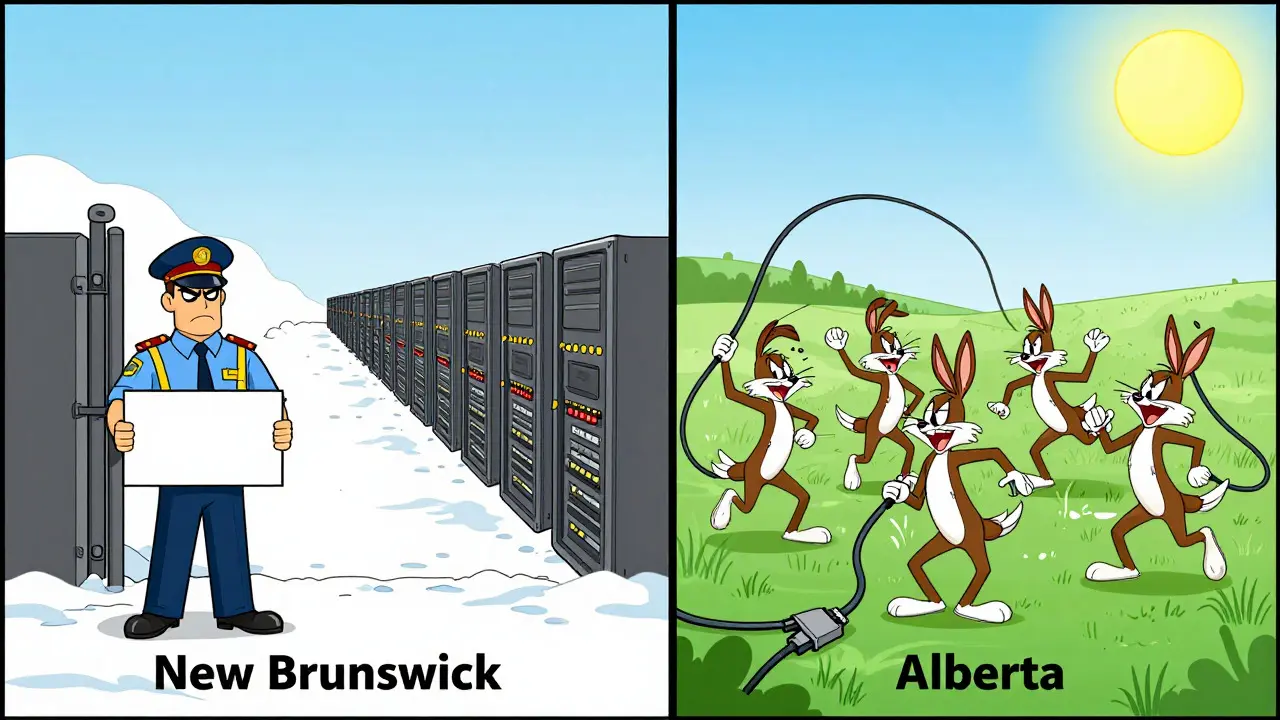
Then there is Quebec. Hydro-Québec didn’t issue a blanket ban but raised rates significantly for crypto operations and capped how much power they could draw. This economic lever discourages marginal projects while keeping the door slightly ajar for efficient ones. Contrast this with Alberta. Because Alberta has a deregulated energy market, it remains a hotspot for miners. Prices fluctuate based on supply and demand, allowing miners to go offline when prices spike and run full tilt when wind and gas produce surplus power. New Brunswick chose control; Alberta chose flexibility.
The Impact on Miners and Investors
If you are running a mining rig in Moncton or Saint John, don’t expect to add more servers next month. The moratorium blocks expansion. For existing operations, this means stagnation. You can keep mining, but you can’t grow. This forces companies to look elsewhere. Many have already shifted their focus to Alberta or even the United States, where regulatory environments vary wildly by state.
For investors, this signals a shift in risk assessment. Location matters. A crypto mine’s profitability isn’t just about the price of Bitcoin; it’s about the cost and availability of electricity. Jurisdictions that prioritize residential consumers over industrial miners present higher operational risks. If you’re evaluating a project in New Brunswick, assume zero growth potential unless the political landscape shifts dramatically.
Environmental and Economic Ripples
Critics often point out that Bitcoin mining uses renewable energy in places like New Brunswick. While true, the issue isn’t just the source of the power-it’s the opportunity cost. That same hydroelectricity could power electric vehicles, heat homes, or support manufacturing jobs. Governments are increasingly viewing electricity as a strategic asset. Diverting it to digital gold mining, which doesn’t directly contribute to local employment or tangible goods production, is becoming harder to justify politically.
This trend isn’t unique to Canada. Globally, countries are re-evaluating energy-intensive industries. China banned mining outright in 2021, wiping out nearly three-quarters of global hash rate overnight. Iran and Kazakhstan have also imposed seasonal bans during peak winter demand. New Brunswick’s move aligns with a broader recognition that energy grids are fragile ecosystems. Protecting them requires making hard calls about who gets priority.

What Comes Next for NB Power?
Will the moratorium lift? Don’t hold your breath. The indefinite nature suggests NB Power sees no immediate relief in sight. Grid upgrades take years, not months. Until the province builds significant new generation capacity or improves storage technology, the constraint will likely remain. Furthermore, public sentiment plays a role. Residents notice when their bills rise. Blaming crypto miners is politically easier than explaining complex grid management failures.
Miners hoping for a reversal should watch two things: technological efficiency improvements and provincial budget cycles. If mining hardware becomes twice as efficient, the energy burden drops, potentially softening the political stance. Alternatively, if the province needs tax revenue and finds a way to charge miners premium rates without hurting locals, a regulated reopening might occur. But for now, the sign on the door reads "Closed."
Quick Summary / Key Takeaways
- Strict Ban: New Brunswick prohibits new electricity connections for crypto miners and blocks expansions for existing ones.
- Indefinite Timeline: Unlike other provinces with fixed end dates, NB’s moratorium has no announced review date.
- Grid Protection: The primary goal is preventing blackouts and stabilizing consumer electricity rates.
- Regional Contrast: While NB restricts, Alberta remains open due to its deregulated energy market.
- Investment Risk: Projects in NB face growth caps, pushing capital toward jurisdictions with clearer energy access.
Can I start a small home Bitcoin mining operation in New Brunswick?
The moratorium primarily targets large-scale commercial operations seeking significant electrical service changes. Small residential setups typically do not require special utility approvals beyond standard household usage, but you should check with NB Power for specific thresholds regarding meter upgrades or commercial classification.
Does the moratorium affect buying or selling Bitcoin in New Brunswick?
No. The restriction is strictly on the physical infrastructure-specifically, the provision of electricity to new mining facilities. Trading, holding, and transacting in cryptocurrency remain legal and unaffected by the utility’s connection ban.
Why did NB Power choose a moratorium instead of raising rates?
Raising rates might attract more miners if they believe they can still profit, potentially worsening grid strain. A moratorium provides immediate certainty and prevents the infrastructure from being overwhelmed during critical periods, prioritizing reliability for all customers over market dynamics.
Are there any exceptions to the New Brunswick mining ban?
Generally, no. The ban applies to new connections and expansions for existing operations. Exceptions are rare and usually involve cases where the application was submitted before the initial cabinet order in March 2022, though final approval remains at NB Power's discretion.
Which Canadian province is best for crypto mining right now?
Alberta is currently the most favorable jurisdiction in Canada due to its deregulated energy market. It allows miners to respond to real-time electricity prices, turning off rigs when costs are high and running them when renewable surplus is available, unlike the restricted markets in Atlantic Canada.





Categories