When you're looking for a crypto exchange that lets you trade Bitcoin with mobile money or buy USDT using airtime, CoinCola sounds like a dream. No bank account? No problem. They claim to be built for people in Nigeria, Ghana, and other regions where traditional banking is hard to reach. But here’s the catch: dozens of users are stuck with coins they can’t withdraw, and no one seems to know why.
What CoinCola Actually Offers
CoinCola isn’t just another crypto exchange. It’s a hybrid platform that combines peer-to-peer (P2P) trading with gift card exchanges. You can buy Bitcoin using bank transfers, mobile money, or even airtime credits. On the flip side, you can sell your crypto for Amazon, iTunes, or Google Play gift cards. That’s rare. Most exchanges don’t touch gift cards at all.
The platform supports seven major cryptocurrencies: Bitcoin (BTC), Ethereum (ETH), Tether (USDT), Litecoin (LTC), Bitcoin Cash (BCH), Dash (DASH), and Ripple (XRP). For users in emerging markets, this flexibility matters. If you’re in Lagos and your only way to get cash is through MTN airtime, CoinCola lets you trade that for BTC. That’s real utility.
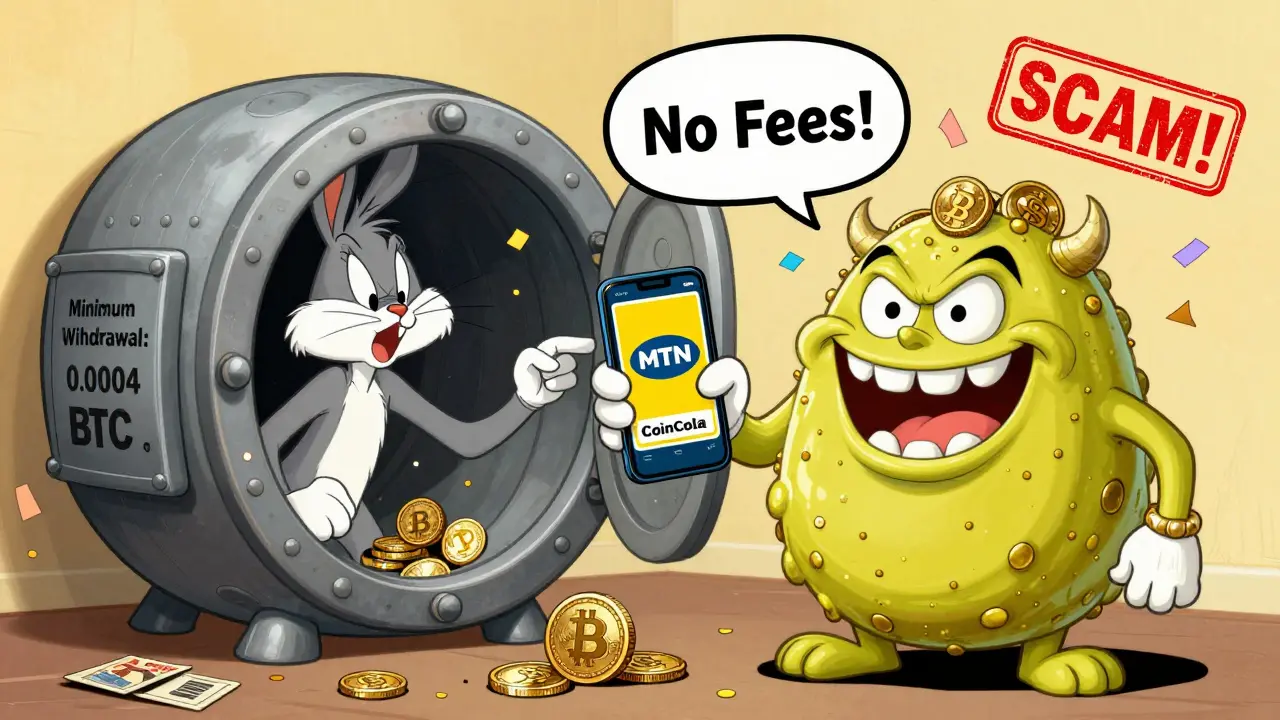
They also claim internal transfers between CoinCola users are free - which is true. But here’s where things get messy. While the platform says there are no hidden fees for buyers, users report fees sneaking in during withdrawals. One user tried to pull out 0.0003 BTC and got blocked because the minimum withdrawal is 0.0004 BTC. That’s not a fee - it’s a trap. You’re forced to hold more than you want just to access your own money.
Security Claims vs. Reality
CoinCola says it uses "bank-level encryption," cold storage, and a 10-year-experienced security team. Sounds impressive. But security isn’t just about tech. It’s about trust. And trust is broken here.
Look at the reviews. On Trustpilot, users are screaming "SCAM!" because their accounts were frozen after a simple trade dispute. One person lost $800 in USDT after an unauthorized transaction. Another had 0.01 BTC locked indefinitely because "multiple order disputes" triggered a manual review. No explanation. No timeline. Just silence.
There’s no public record of CoinCola being licensed by any financial regulator. Not the SEC. Not the FCA. Not even a local authority in Nigeria. That’s not normal. Even smaller exchanges like Paxful got hit with fines in 2022 for failing KYC rules. CoinCola doesn’t even pretend to follow them.
And here’s the kicker: they don’t publish audit reports. No proof of reserves. No transparency. Just claims. If you’re holding crypto on an exchange that doesn’t show you’re actually the owner of your coins, you’re not trading - you’re gambling.
The Verification Nightmare
Signing up takes seconds. Getting verified? That’s a different story. Google Play reviews are full of people saying their accounts stayed "under review" for over 48 hours. One user wrote: "I still open a ticket to know what’s going on. Why ain’t verified?"
Why does this happen? Because CoinCola’s verification system is opaque. No checklist. No clear requirements. You upload ID, proof of address, a selfie - and then wait. Sometimes it works. Sometimes it doesn’t. And when it doesn’t, there’s no human to talk to. Just a ticket system that disappears into a black hole.
Compare that to Binance or Kraken. They have clear steps: upload this document, take this photo, answer these questions. Done in 10 minutes. CoinCola? You’re guessing.

Withdrawal Limits and Hidden Costs
Let’s get real. The biggest complaint isn’t about fees - it’s about access. Users report being unable to withdraw tiny amounts. 0.0003 BTC? Denied. 0.005 ETH? Blocked. Why? Because CoinCola’s system is designed to force you to hold larger balances.
They claim "no hidden fees," but users say otherwise. One person on Trustpilot said they had 0.002 BTC left after trading. When they tried to withdraw, they were told a "processing fee" took it all. No notice. No warning. Just gone.
This isn’t a bug. It’s a feature. By setting high minimum withdrawals and making small balances unmovable, CoinCola keeps funds locked in - and earns interest on them. That’s not a service. That’s a cash grab.
Gift Card Exchange: Cool Feature, Risky Execution
The gift card exchange is CoinCola’s unique selling point. You can sell your BTC for an Amazon gift card in minutes. That’s great if you need to buy groceries or pay for Netflix without a credit card.
But here’s the problem: exchange rates aren’t transparent. You never know how much USDT you’ll get for your BTC until after you confirm the trade. And once you do, you can’t cancel. If the rate drops 5% after you lock in? Tough luck.
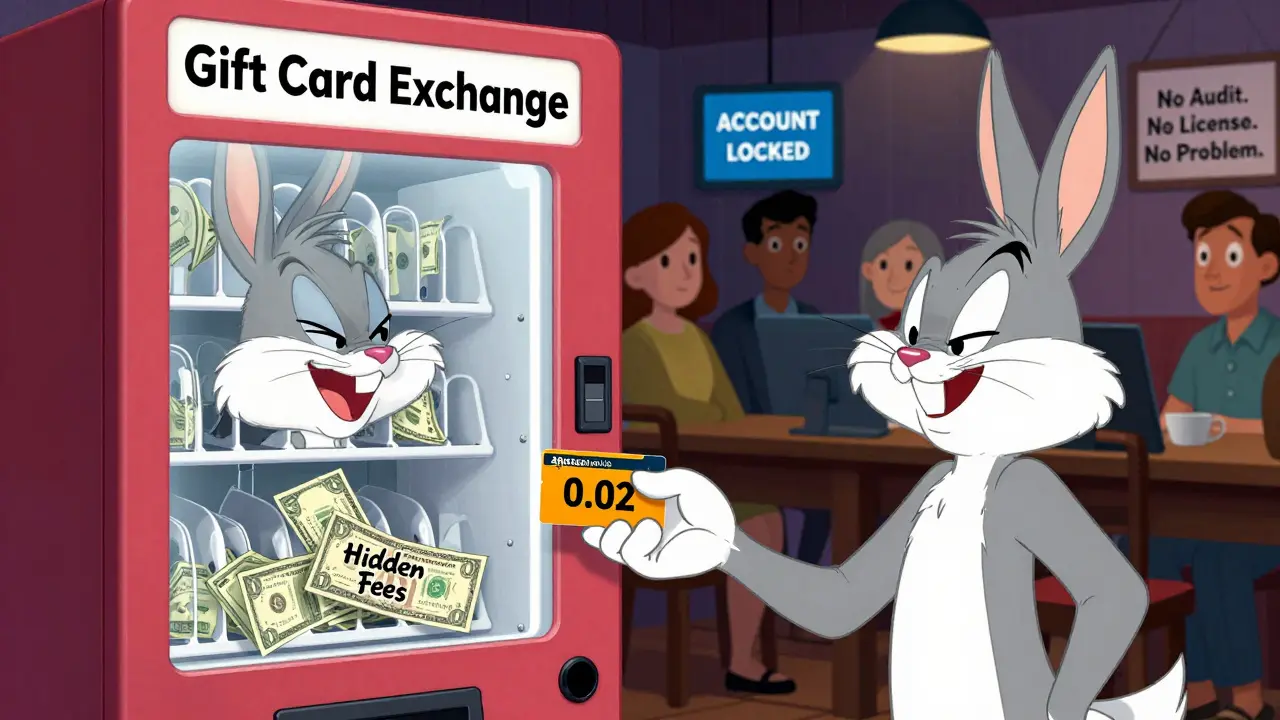
And what if the gift card code doesn’t work? Who do you call? The support team? Good luck. Multiple users say tickets go unanswered. One wrote: "I sent 0.02 BTC for a $100 Amazon card. The code was invalid. They said it wasn’t their fault. I lost $400."
Who Should Use CoinCola?
If you’re in Nigeria, Ghana, or another country where bank access is limited - and you need to turn airtime into Bitcoin - CoinCola might be your only option. It fills a real gap.
But if you’re in the U.S., Europe, Australia, or anywhere with banking access? Walk away. The risks far outweigh the benefits. You’re trading convenience for security. And security is what crypto is supposed to protect.
There are better alternatives. LocalBitcoins has more transparency. Paxful has better dispute resolution. Even Binance P2P lets you trade with verified sellers and has clear rules. CoinCola? It feels like a sketchy back-alley dealer.
Final Verdict: Use With Extreme Caution
CoinCola isn’t a scam. It’s a high-risk gamble. It works for some. It destroys others. The platform has real utility for people with no other options. But it lacks the basic safeguards that make crypto safe.
If you must use it:
- Only trade small amounts - never more than you can afford to lose.
- Avoid holding balances. Withdraw immediately after trading.
- Never use it as a long-term wallet. Move crypto to your own hardware wallet ASAP.
- Don’t trust their "security" claims. Ask for proof. They won’t give it.
For most people, there are safer, clearer, and more reliable exchanges. CoinCola exists to serve a niche. But that niche is being exploited - not protected.
Is CoinCola safe to use for crypto trading?
CoinCola is not safe for storing or trading significant amounts of crypto. While it offers P2P trading and gift card exchanges, there are no regulatory licenses, no public audits, and no transparent dispute resolution. Hundreds of users report frozen accounts, unresponsive support, and lost funds after simple trade disputes. Treat it as a last-resort tool, not a trusted exchange.
Why can’t I withdraw small amounts of Bitcoin from CoinCola?
CoinCola enforces a minimum withdrawal amount of 0.0004 BTC, which blocks users trying to withdraw smaller balances like 0.0003 BTC. This isn’t a fee - it’s a policy designed to keep funds locked on the platform. Users report being unable to access these small amounts even after months of waiting, with no official explanation.
Does CoinCola have hidden fees?
CoinCola claims no hidden fees for buyers, but users consistently report unexpected deductions during withdrawals. Some say small balances vanish entirely due to "processing fees" not disclosed before trade confirmation. These fees aren’t listed anywhere on the site, making them effectively hidden. Always assume there’s a fee you weren’t told about.
How long does CoinCola verification take?
Verification can take anywhere from a few hours to over 48 hours, with no clear timeline. Many users report submitting documents and then receiving no updates. There’s no chat support, no status tracker, and no way to escalate. If your account stays "under review," it’s likely stuck indefinitely.
Can I trust CoinCola’s gift card exchange?
The gift card exchange works technically - you get codes for Amazon, iTunes, or Google Play. But the process is risky. Exchange rates change without warning, and if the code is invalid, CoinCola refuses responsibility. There’s no guarantee the card will work, and customer support rarely helps. Only use this feature with very small amounts.
What are better alternatives to CoinCola?
For P2P trading, try Binance P2P or Paxful - both have verified sellers, dispute systems, and clearer rules. For gift cards, consider Bitrefill or Moon, which specialize in crypto-to-gift-card conversions with transparent pricing. If you’re in a regulated country, use Coinbase or Kraken. They’re safer, regulated, and more reliable.