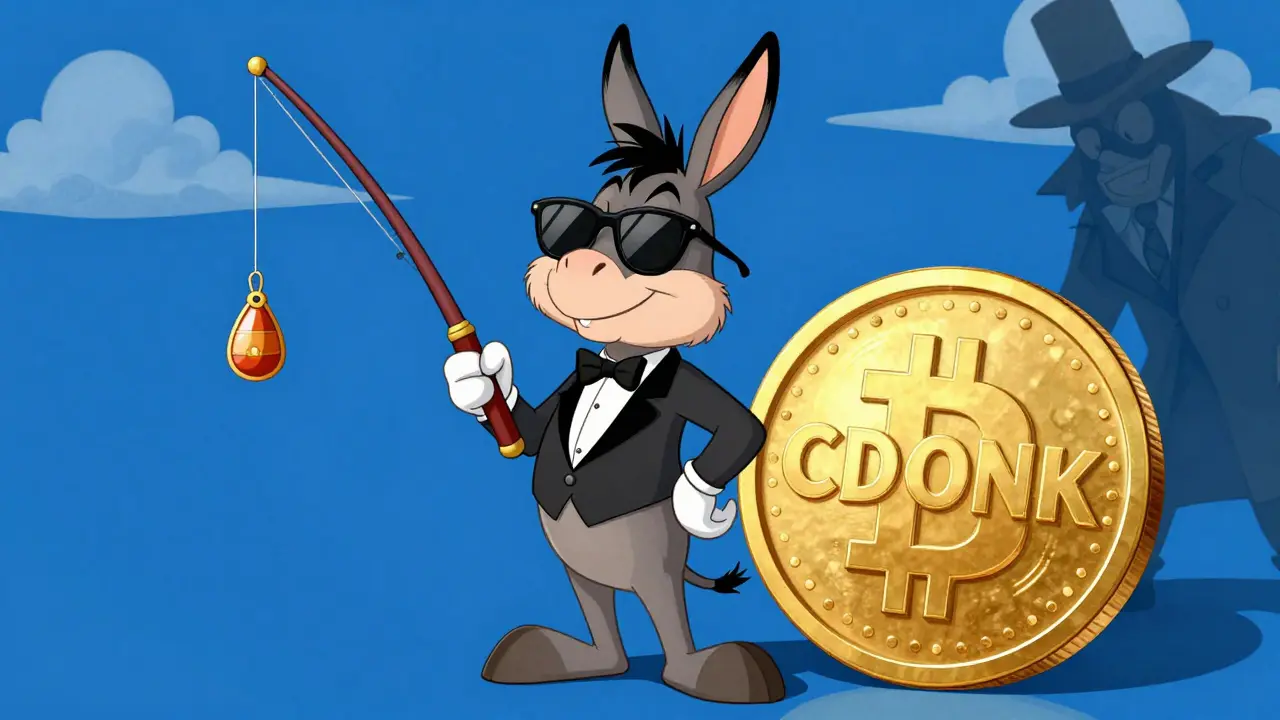
You’ve probably seen the flashy posts or DMs promising free CDONK tokens through a supposed partnership between Club Donkey and CoinMarketCap. It sounds too good to be true, right? You connect your wallet, do a few simple tasks, and boom-you’re rich. But here is the hard truth that every crypto veteran knows: if it sounds like a get-rich-quick scheme, it usually is. As of late 2025 and into 2026, there is no official CDONK airdrop hosted by CoinMarketCap. In fact, searching for this specific drop puts you directly in the crosshairs of sophisticated phishing scams designed to drain your wallet.
The internet is flooded with misinformation about meme coins, and Club Donkey (CDONK) has become a prime target for scammers. This isn’t just a rumor; it’s a documented security threat. Blockchain forensics firms have tracked thousands of incidents where users lost money chasing fake airdrops linked to low-cap tokens like CDONK. Before you click any link or sign any transaction, you need to understand exactly what CDONK is, why CoinMarketCap doesn’t host these kinds of drops, and how to spot the red flags that separate legitimate opportunities from digital traps.
What Is Club Donkey (CDONK)?
To understand the scam, you first need to understand the asset. Club Donkey (CDONK) is a decentralized meme token built on the Binance Smart Chain (BSC). According to its listing on major trackers, it positions itself as a "100% community-driven experiment." It claims to be a substrate token related to another project called Donkey ($DONK), which shares similarities with other viral meme coins like Shiba Inu.
However, look closer at the data. When you check the technical specifications for CDONK on platforms like CoinMarketCap, you find some alarming details. The token has a maximum supply of 20 million, but the circulating supply is effectively zero. There is no trading volume. The price is listed at $0.00 USD. These aren’t signs of a healthy, growing ecosystem; they are signs of a dormant or abandoned project. Legitimate airdrops are typically launched by active protocols with real usage, liquidity, and a clear roadmap. CDONK lacks all of these. It exists mostly as a contract address on the blockchain, making it an easy target for bad actors who want to use its name to lure inexperienced investors.
The Myth of the CoinMarketCap Partnership
The core of this scam relies on one false premise: that CoinMarketCap is hosting or endorsing an airdrop for CDONK. Let’s break down why this is impossible.
CoinMarketCap is primarily a data aggregator and information platform. While they do feature lists of upcoming airdrops, their criteria are strict. To be featured, a project must meet rigorous standards, including a minimum 30-day trading history across multiple verified exchanges and significant liquidity-often exceeding $500,000. CDONK fails every single one of these checks. With zero volume and no exchange listings, it does not qualify for even a basic preview page, let alone a featured airdrop event.
Furthermore, CoinMarketCap’s own official airdrop calendar consistently shows zero current or upcoming events for tokens like CDONK. In October 2025, CoinMarketCap even published a blog post specifically addressing this trend, warning users about "false claims about exchange-hosted airdrops for low-cap meme tokens." They explicitly listed CDONK among the tokens frequently misused in phishing campaigns. If CoinMarketCap says it’s not happening, and the data proves it’s not happening, anyone telling you otherwise is lying to steal your assets.
| Feature | Legitimate Airdrop | Fake CDONK Airdrop |
|---|---|---|
| Official Announcement | Pinned tweet from verified project account + blog post | DMs, random Telegram groups, or unverified websites |
| Token Status | Active trading volume, high liquidity, established utility | Zero volume, zero liquidity, no clear utility |
| Platform Endorsement | Listed on CoinMarketCap/CoinGecko airdrop pages | Not listed; scammers create fake clones of these sites |
| Cost to Participate | Free (maybe gas fees for claiming later) | Asks for "verification fee," private key, or seed phrase |
| Urgency | Clear deadlines, transparent eligibility rules | "Claim now or lose out!" pressure tactics |
How the Phishing Scam Works
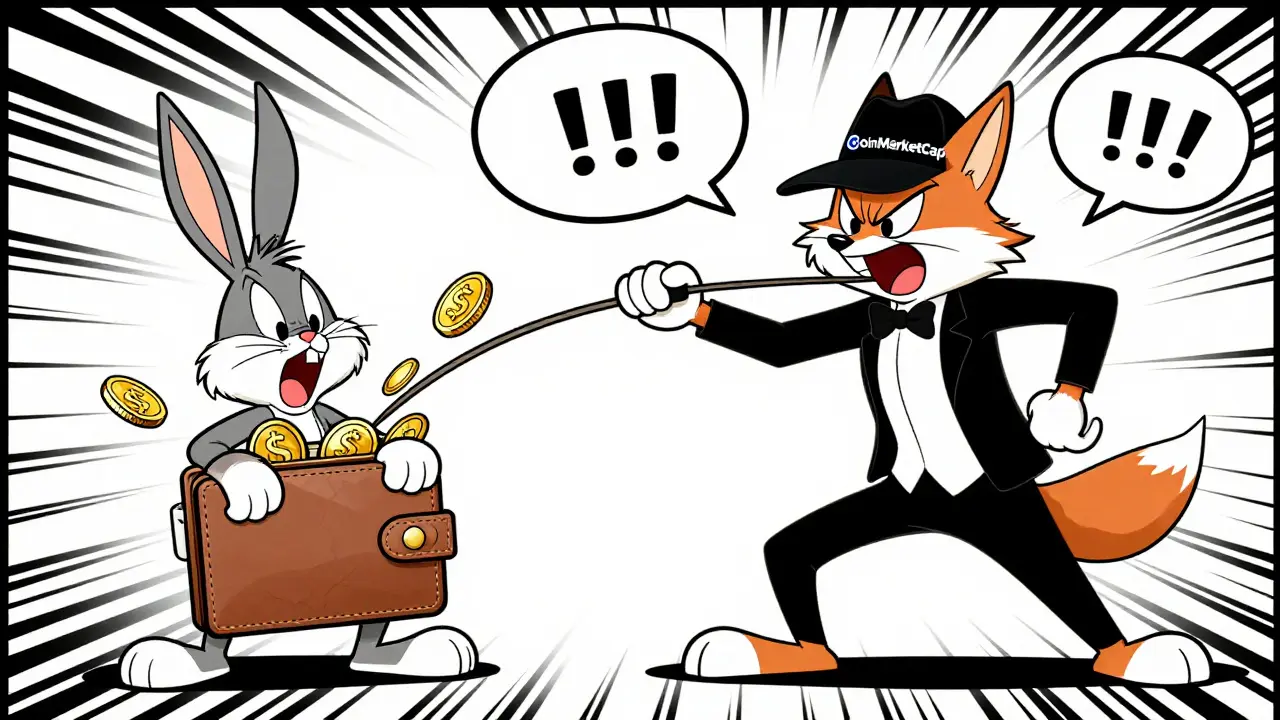
So, if the airdrop doesn’t exist, what are you actually clicking on? You are likely visiting a phishing site. These scams are surprisingly sophisticated. Scammers create websites that look almost identical to CoinMarketCap or Club Donkey’s official pages. They might use URLs like `coinmarketcap-cdonk-airdrop.com` or similar variations that trick the eye.
Once you land on the site, the process usually follows a predictable script:
- The Hook: The site promises a massive amount of CDONK tokens for completing simple tasks, like following social media accounts or connecting your wallet.
- The Connection: You are asked to connect your Web3 wallet (like MetaMask or Trust Wallet). This step seems harmless because many legitimate dApps require it. However, the connection request may include malicious permissions.
- The Trap: Here is where the money disappears. The site might ask you to sign a transaction that looks like a "claim" but is actually a transfer of all your funds to the scammer’s address. Or, worse, they might ask for your private key or seed phrase under the guise of "wallet verification." Remember: no legitimate service will ever ask for your private keys.
- The Disappearance: Once the transaction is signed, the funds are gone instantly. The website may then crash, redirect you, or simply show a "success" message while your wallet is empty.
Blockchain security experts have analyzed these attacks extensively. Data from Q3 2025 showed that nearly 99% of notifications claiming to be "CoinMarketCap airdrops" were phishing attempts. One report from CertiK identified dozens of active domains impersonating the CDONK airdrop, tracing them back to a single Ethereum address that had already stolen hundreds of thousands of dollars from victims. This isn’t a glitch; it’s organized crime.
Red Flags You Must Watch For
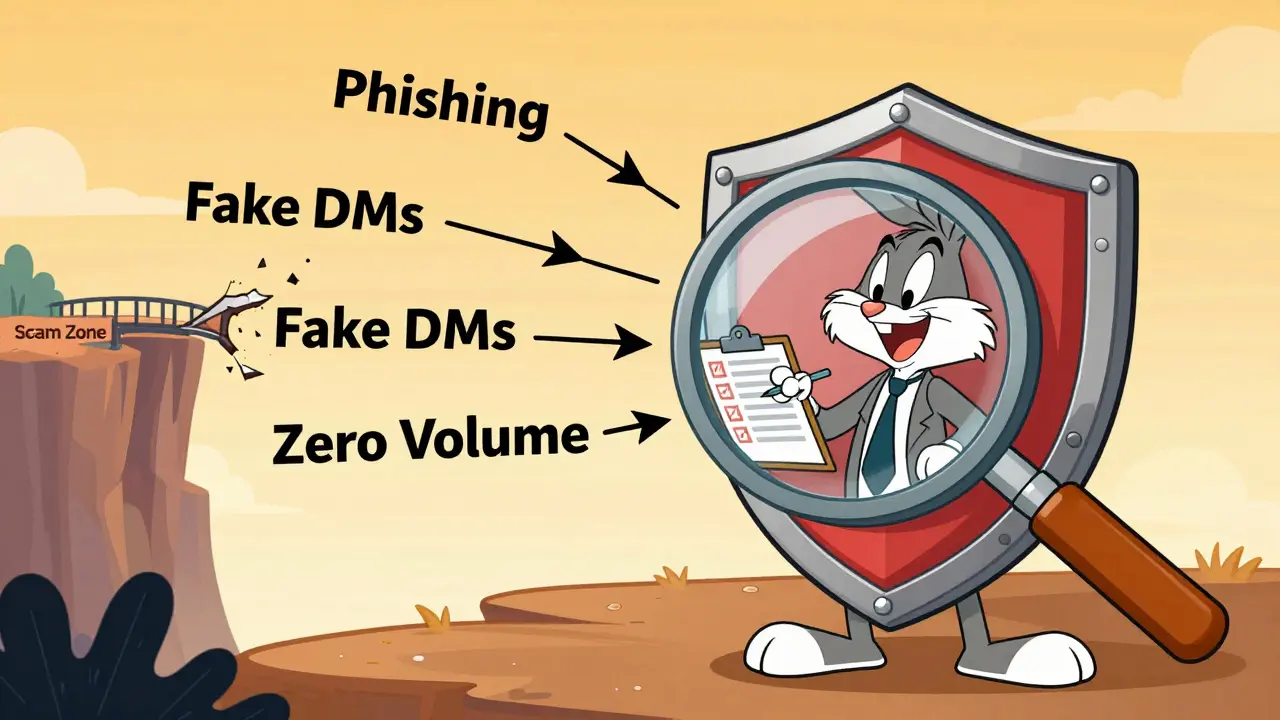
Protecting yourself in the crypto space requires vigilance. Here are the specific red flags associated with the CDONK scam that you should memorize:
- Direct Messages: Did someone DM you on Twitter, Telegram, or Discord offering this airdrop? Legitimate projects do not cold-message users to give away free money. If you didn’t seek them out, ignore them.
- Unverified Social Media Accounts: Check the handle. The official Club Donkey Twitter account has very few followers and no pinned announcement about a CoinMarketCap partnership. Scammers often create new accounts with slight misspellings (e.g., @ClubDonkey_Official vs @ClubDonkeyBSG).
- Requests for Private Keys: This is the ultimate dealbreaker. Your private key is your password. Never type it into a website. Ever.
- High Pressure Tactics: Scammers use urgency to bypass your critical thinking. Phrases like "Only 1 hour left!" or "Limited spots available!" are designed to make you act before you think.
- Strange URLs: Always double-check the domain. CoinMarketCap’s URL is strictly `coinmarketcap.com`. Any variation is fake.
Verifying Legitimate Opportunities
If you are interested in legitimate airdrops, there are safe ways to pursue them. Platforms like CoinGecko and Airdrops.io maintain rigorous verification processes. They list only those projects that have provided proof of concept, active development, and transparent distribution mechanics. For example, legitimate airdrops often require you to interact with a testnet or perform small trades on a mainnet protocol to prove you are a real user, not a bot.
Before participating in any crypto event, follow this checklist:
- Check Official Sources: Go directly to the project’s official website (bookmarked previously) and their verified social media channels. Do not click links from third parties.
- Review Token Metrics: Use CoinMarketCap or CoinGecko to check the token’s volume, liquidity, and holder count. If the volume is zero, walk away.
- Search for Security Audits: Has the smart contract been audited by a firm like CertiK or Hacken? If not, the code could contain hidden backdoors.
- Ask the Community: Search Reddit or trusted crypto forums for discussions about the project. Look for warnings from experienced users, not just hype from shills.
What to Do If You’ve Been Targeted
If you suspect you’ve clicked a link or connected your wallet to a fake CDONK site, act immediately. First, disconnect your wallet from that site using your wallet app’s settings. Second, move any remaining funds from that wallet to a new, secure wallet with a fresh seed phrase. Consider the old wallet compromised. Third, report the incident. Platforms like CoinMarketCap and blockchain explorers have mechanisms to flag malicious addresses. While recovering stolen funds is difficult, reporting helps protect others from falling into the same trap.
The crypto world is full of innovation, but it is also filled with predators. The CDONK X CoinMarketCap airdrop is a textbook example of how scammers exploit hope and confusion. By sticking to verified sources, understanding the basics of tokenomics, and never sharing your private keys, you can stay safe and focus on genuine opportunities.
Is there really a CDONK airdrop on CoinMarketCap?
No, there is no official CDONK airdrop hosted by CoinMarketCap. CoinMarketCap has explicitly warned against this scam, and their official airdrop calendar lists zero events for CDONK. Any website claiming otherwise is a phishing site.
What is Club Donkey (CDONK)?
Club Donkey (CDONK) is a meme token on the Binance Smart Chain. It has zero trading volume and zero circulating supply, indicating it is not an active or liquid project. It is often used by scammers to lure victims into fake airdrop schemes.
How can I tell if an airdrop is fake?
Look for these signs: direct messages from unknown accounts, requests for private keys or seed phrases, websites with slightly altered URLs, and tokens with zero trading volume. Legitimate airdrops are announced on official channels and never ask for your private keys.
Did CoinMarketCap partner with Club Donkey?
No, CoinMarketCap has not partnered with Club Donkey. CoinMarketCap requires projects to have significant trading volume and liquidity to be listed or featured, criteria that CDONK does not meet. CoinMarketCap has publicly stated that CDONK is being misused in phishing campaigns.
What should I do if I connected my wallet to a fake CDONK site?
Immediately disconnect your wallet from the site via your wallet app settings. Move any remaining funds to a new, secure wallet with a different seed phrase. Assume the original wallet is compromised and monitor your transactions for unauthorized activity.
Categories