
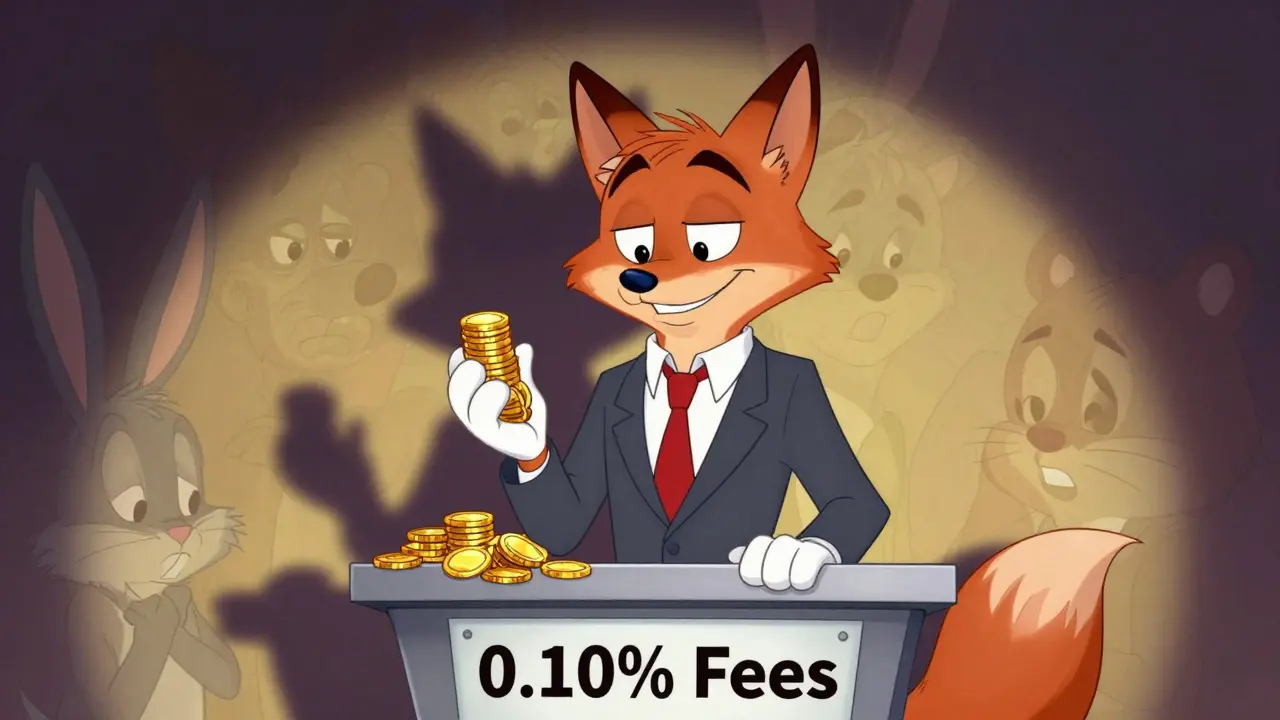
You see a cryptocurrency exchange promising flat trading fees of just 0.10%. That sounds like a dream compared to the industry average of 0.25%. You might even spot an instant swap feature that doesn't require you to create an account first. It looks convenient. It looks cheap. But before you transfer your savings into BitHash is a cryptocurrency trading platform registered in Seychelles with controversial user feedback and low Trustpilot ratings, you need to look past the marketing. The reality behind these attractive numbers is far more complicated-and potentially dangerous.
This review cuts through the noise. We will examine the actual costs, the regulatory background, the user experience, and the serious red flags that have emerged from independent investigations. If you are looking for a place to park your Bitcoin or trade Ethereum, this analysis will help you decide if BitHash is worth the risk or if you should stick to established, regulated alternatives.
The Business Behind the Brand
To understand where your money goes, you first need to know who is holding it. BitHash is operated by PHOENIX TRADING SOLUTIONS LTD. This company is registered under the International Business Companies Act of 2016 in the Republic of Seychelles. Their official address is listed at Global Gateway 8, Rue de la Perle, Providence, Mahé, Seychelles.
The Seychelles registration is a crucial detail. While the Seychelles has become a hub for international business, it does not offer the same level of investor protection as financial centers like the United States, the European Union, or Singapore. In those regions, exchanges must adhere to strict Anti-Money Laundering (AML) and Know Your Customer (KYC) laws. They often hold funds in segregated accounts and are subject to regular audits. A Seychelles-based entity operates with significantly less transparency. There is no public evidence that BitHash holds licenses from major financial regulators like the FCA in the UK or the SEC in the US.
The platform claims to serve over 250,000 users. However, this number comes directly from the company's own reports and cannot be independently verified. In the crypto world, user counts can be inflated by bots or inactive accounts. Without third-party verification, treat this figure with skepticism.
Fees and Trading Costs
On paper, BitHash’s fee structure is its strongest selling point. Here is how it breaks down:
- Trading Fees: A flat 0.10% for both makers and takers.
- Bitcoin Withdrawal Fee: 0.0005 BTC.
- Industry Comparison: The average trading fee across major exchanges is around 0.25%, and the average BTC withdrawal fee is approximately 0.000812 BTC.
These numbers are undeniably low. For high-volume traders, saving 0.15% on every trade adds up quickly. However, low fees are often used as bait to attract users to platforms with other hidden costs or risks. The real question isn't whether the fees are low-it's whether you can actually access your money after you've made a profit. As we will see in the user feedback section, the ability to withdraw funds is where BitHash faces its biggest criticism.
| Fee Type | BitHash Rate | Industry Average | Savings |
|---|---|---|---|
| Trading Fee (Maker/Taker) | 0.10% | 0.25% | 60% lower |
| BTC Withdrawal Fee | 0.0005 BTC | 0.000812 BTC | ~40% lower |
User Experience and Platform Features
BitHash offers two main ways to interact with the platform: registered trading and instant swapping.
Registered Trading: Once you sign up, you gain access to over 100 cryptocurrency pairs. This includes major assets like Bitcoin (BTC), Ethereum (ETH), Ripple (XRP), Litecoin (LTC), and Bitcoin Cash (BCH). The interface supports spot trading and payment processing. The platform is available in English, Chinese, and Russian, catering to a global but specific demographic.
Instant Cryptocurrency Exchange: This feature allows you to swap cryptocurrencies without creating an account. For example, you can convert Bitcoin to Tether (USDT) instantly. While this sounds convenient for small, quick transactions, it lacks the security protections of a registered account. If something goes wrong during an anonymous swap, you have no recourse, no customer support ticket history, and no legal standing to claim your funds.
The platform also promotes a multi-tier referral program. You earn commissions from the trading fees of people you invite, extending down five levels:
- Level 1: 20%
- Level 2: 10%
- Level 3: 5%
- Level 4: 2%
- Level 5: 1%
The Red Flags: Security and Trust Issues
This is the most critical part of the review. Regardless of how low the fees are, an exchange is useless if you cannot trust it with your capital. BitHash has several significant warning signs.
Extremely Low User Ratings: BitHash holds a Trustpilot rating of 1.7 out of 5 stars based on 73 reviews. This is exceptionally poor. For context, reputable exchanges typically maintain ratings above 4.0. Another aggregator, Cryptogeek, shows a slightly higher but still negative rating of 2.5 out of 5. These scores indicate widespread dissatisfaction among users.
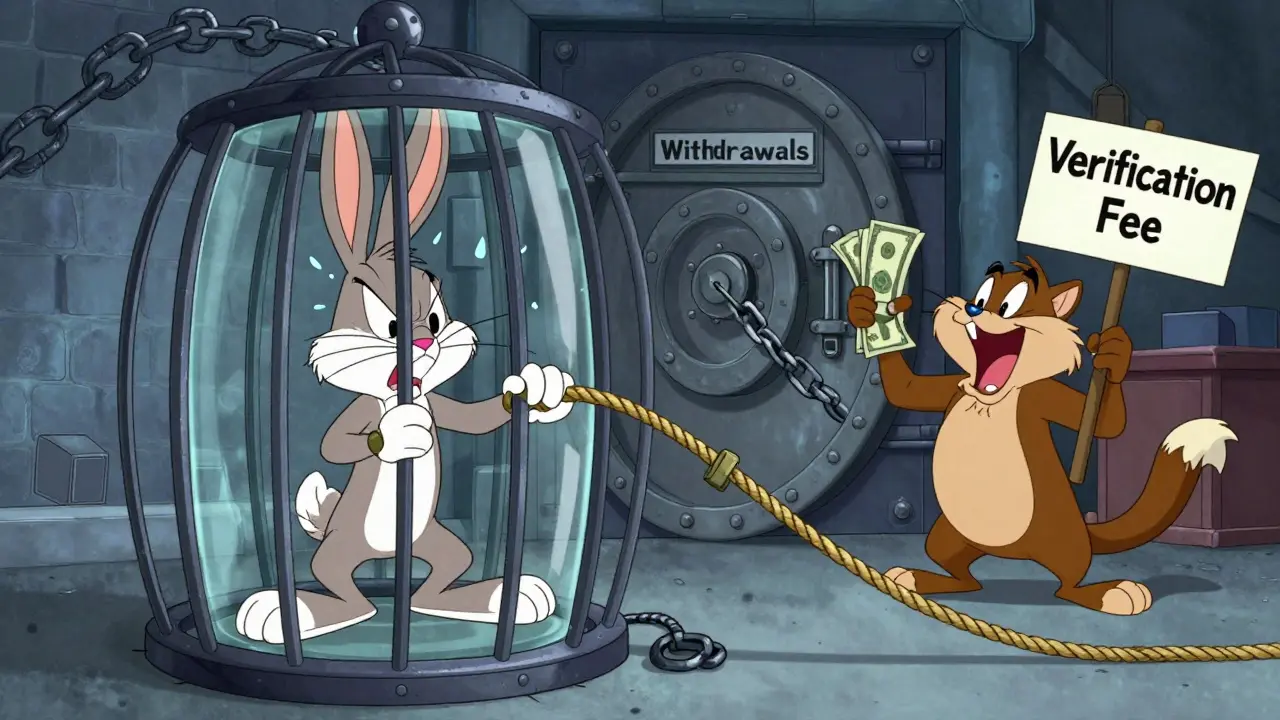
Documented Fraud Allegations: There are detailed accounts of users being unable to withdraw their funds. One prominent case documented in November 2023 describes a user who deposited funds successfully but found their account frozen when attempting to withdraw. Support via WhatsApp allegedly demanded arbitrary payments to "verify" the account and release the funds. After the user paid, they were asked for even larger deposits. Eventually, support disappeared, and the user lost their entire investment. This pattern-easy deposits, impossible withdrawals, and demands for additional payments-is a classic hallmark of predatory schemes.
Review Manipulation Campaigns: BitHash has run campaigns incentivizing users to leave positive reviews. For instance, a "100,000 BT Reward Campaign" required users to follow them on Twitter, leave a Trustpilot review, and submit proof via Telegram. Paying for reviews skews the data and makes it difficult to gauge true user sentiment. It raises ethical questions about the integrity of any positive feedback you might find online.
Lack of Technical Transparency: The platform does not publicly disclose detailed security protocols, API documentation, or infrastructure architecture. Major exchanges publish proof-of-reserves, undergo regular security audits, and provide clear information about cold storage solutions. BitHash’s silence on these technical details leaves users in the dark about how their assets are protected.
Is BitHash Safe? A Verdict
Based on the available evidence, BitHash presents a high-risk profile. While the fee structure is competitive, the lack of robust regulatory oversight, the extremely low Trustpilot rating, and documented cases of withdrawal fraud outweigh the benefits of saving a few cents on trading fees.
In the cryptocurrency market, safety should always come before cost. An exchange with slightly higher fees but strong regulatory compliance and a proven track record of paying out withdrawals is infinitely more valuable than one that offers cheap trades but locks your money away.
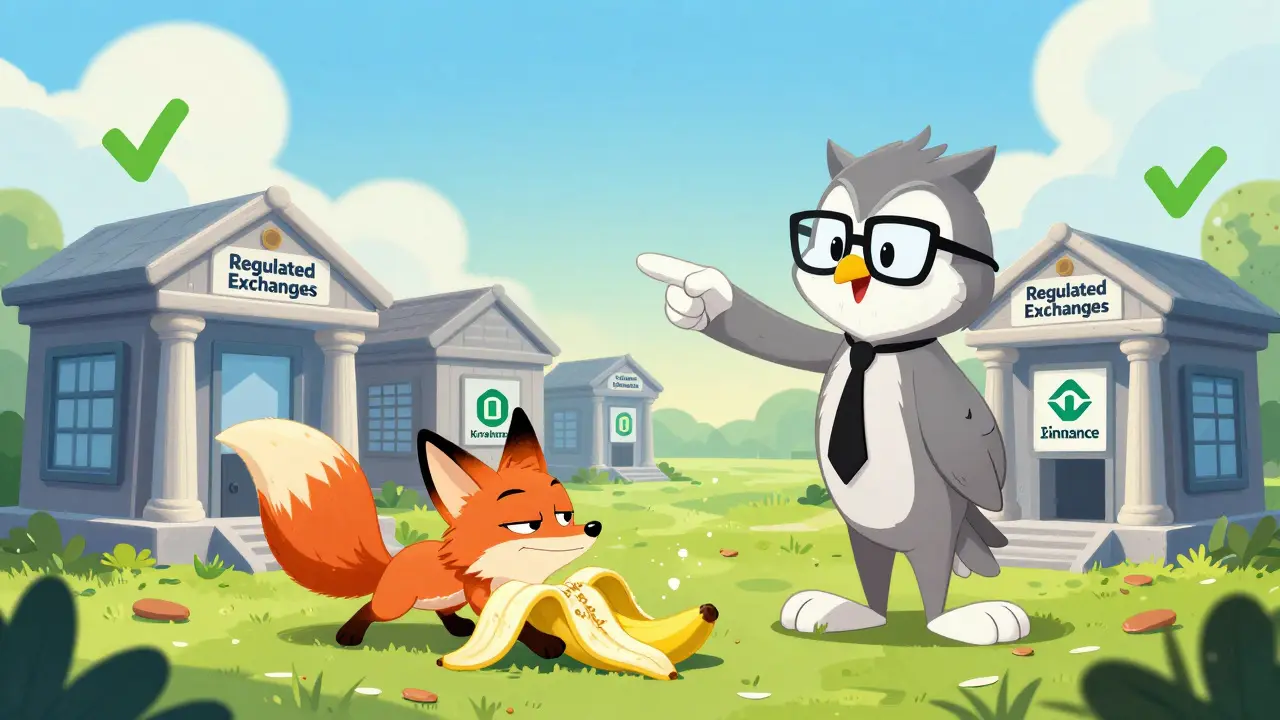
If you are considering using BitHash, proceed with extreme caution. Never deposit more than you can afford to lose. Be wary of any requests for additional payments to "unfreeze" your account. Consider using established, regulated alternatives that prioritize user security and transparency.
Alternatives to Consider
Instead of risking your funds on an unregulated platform, consider these well-established alternatives that offer competitive fees and strong security:
- Kraken: Known for strong security, regulatory compliance in multiple jurisdictions, and transparent fee structures.
- Coinbase: Ideal for beginners, publicly traded, and highly regulated in the US and Europe.
- Binance: Offers extensive trading pairs and competitive fees, though users should be aware of ongoing regulatory discussions globally.
- KuCoin: Popular for altcoin trading with a user-friendly interface and reasonable fees.
These platforms may charge slightly higher fees than BitHash, but they provide peace of mind, customer support, and legal recourse in case of issues.
Is BitHash a legitimate exchange?
BitHash is a registered company in Seychelles, so it exists legally. However, legitimacy does not equal safety. The platform has numerous red flags, including very low user ratings and reports of fraud. Use it with extreme caution.
Can I withdraw my money from BitHash?
Many users report difficulties withdrawing funds. Some have had accounts frozen and been asked for additional payments to release their money. If you encounter this, do not pay; it is likely a scam tactic.
Why are BitHash fees so low?
Low fees are often used to attract users. In BitHash's case, the low fees may compensate for the lack of robust security infrastructure and regulatory compliance costs. Always weigh low fees against potential risks.
Is BitHash regulated?
BitHash is registered in Seychelles, which has lighter regulations for crypto businesses. It is not regulated by major financial authorities like the SEC or FCA, offering less investor protection.
What is the Instant Swap feature on BitHash?
It allows you to exchange cryptocurrencies without registering an account. While convenient, it offers no security or support if something goes wrong. Use only for very small amounts you are willing to lose.




Categories