
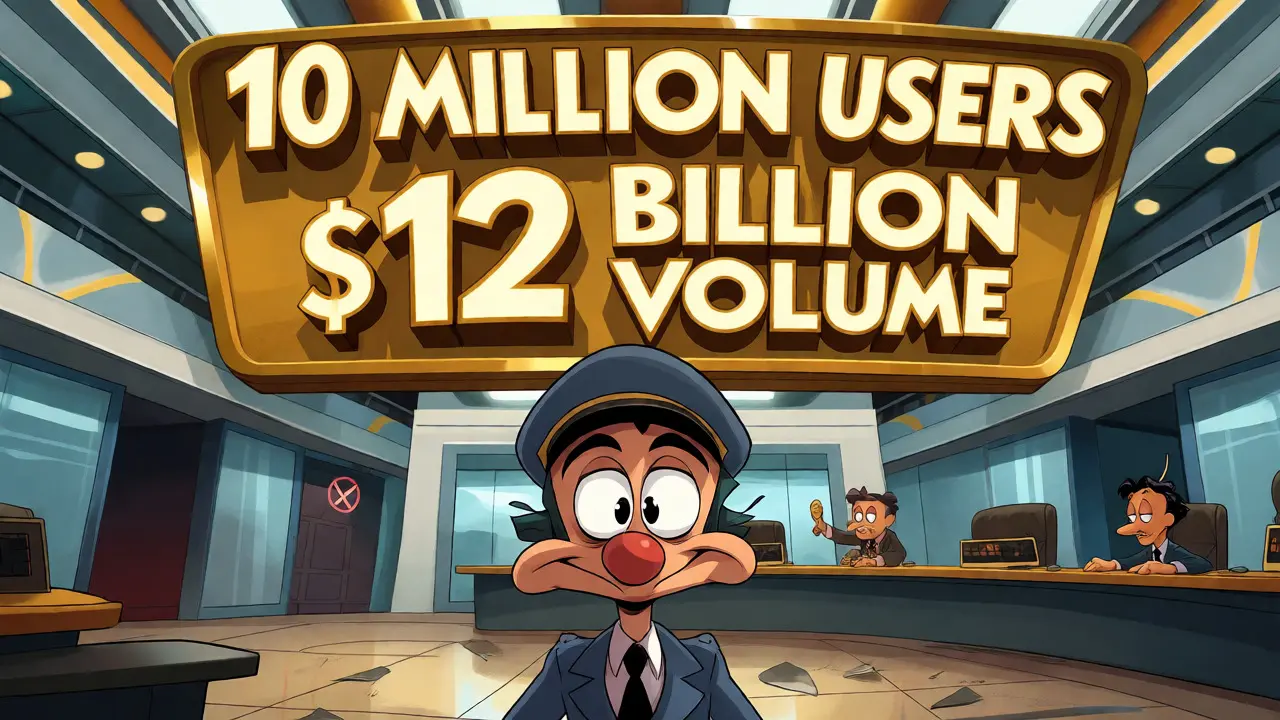
Imagine logging into a crypto exchange that claims to have 10 million users and handle $12 billion in daily trades, only to find out it’s actually moving about $3 million with just seven active pairs. That is the confusing reality of BCEX. It markets itself as a major player, specifically targeting the Korean market, but the data tells a very different story. If you are looking for a reliable place to trade digital assets, this gap between marketing hype and operational truth is exactly what you need to understand before depositing a single dollar.
The Identity Crisis: Where Is BCEX Actually Based?
First things first: where does this platform actually live? This isn’t just a trivial detail; it determines who regulates your money and how safe it is. BCEX has been around since 2017, which sounds like a decent track record. However, sources contradict each other on its headquarters. Some say Malta, others point to Hong Kong. Why does this matter? Because regulatory clarity protects you. A platform based in a jurisdiction with strict financial oversight offers more security than one floating between jurisdictions without clear compliance frameworks.
This geographical ambiguity raises red flags about transparency. When an exchange cannot clearly state its primary base of operations, it becomes harder to verify its legal standing. For traders in South Korea or elsewhere, this lack of clarity means you might be dealing with an entity that operates in a gray area. You aren’t necessarily protected by the same consumer laws that govern banks or established fintech companies in your home country.
Volume and Liquidity: The Big Discrepancy
Let’s talk numbers, because this is where BCEX really struggles to maintain credibility. The exchange’s own marketing materials claim a daily trading volume exceeding $12 billion. That would put it in the league of giants like Binance or Coinbase. But when you check independent tracking platforms like CoinGecko, the picture changes drastically. Real-time data shows a 24-hour trading volume hovering around $3 million to $3.5 million.
| Metric | Claimed Value | Reported Value (CoinGecko) |
|---|---|---|
| Daily Trading Volume | $12 Billion+ | ~$3 Million |
| Active Cryptocurrencies | 500+ | 7-8 Coins |
| Registered Users | 10 Million+ | Unverified / Low Activity |
A $3 million daily volume is tiny. For context, even smaller niche exchanges often see higher activity. This low liquidity creates two major problems for you as a trader. First, slippage. If you try to buy or sell a large amount of Bitcoin or Ethereum, there might not be enough buyers or sellers at the current price. You end up paying more or receiving less than the displayed rate. Second, wide bid-ask spreads. The difference between the highest price someone will pay and the lowest price someone will ask can be significant, eating into your profits immediately upon entry.
Asset Selection: More Hype Than Substance
BCEX advertises access to over 500 cryptocurrencies. This sounds fantastic for altcoin hunters who want early access to new tokens. In practice, however, the number of actively traded pairs is shockingly low. Current data indicates only about 7 to 8 coins are available for trading across roughly 7 markets. Most of these are likely major caps like Bitcoin (BTC), Ethereum (ETH), and perhaps Tether (USDT).
Why the disconnect? Often, exchanges list hundreds of tokens but only enable trading for a handful. Or, they rely heavily on decentralized exchange (DEX) components within their group to offer variety, while the centralized spot market remains limited. If you are hoping to trade obscure altcoins directly on BCEX’s main order book, you will likely be disappointed. The selection is too narrow to compete with major Korean exchanges like Upbit or Bithumb, which typically offer 200 to 400 assets.

Fees and Trading Options
If you do decide to use BCEX, what will it cost you? The exchange promotes competitive liquidity and low trading fees, aiming to attract both beginners and pros. While specific fee tiers can change, typical South Korean exchanges charge between 0.2% and 0.8% per trade. BCEX needs to stay within or below this range to remain attractive, especially given its lower liquidity.
They offer spot trading, margin trading, and futures. Margin and futures allow you to leverage your position, meaning you can control a larger amount of crypto with less capital. This amplifies gains but also risks. Given the thin order books mentioned earlier, using high leverage on BCEX could be dangerous. A small price movement against you could trigger a liquidation faster than on a deeper, more liquid exchange.
User Experience and Accessibility
The interface itself includes standard features: order books, candlestick charts, order history, and simple buy/sell boxes. It looks functional. But functionality doesn’t equal usability if the underlying engine is slow or if customer support is non-existent. One critical restriction stands out: BCEX prohibits United States investors from trading. This is common for many offshore exchanges due to SEC regulations, but it limits the user base significantly.
For Korean users, banking integration is key. South Korean exchanges usually pair with a single local bank for fiat deposits and withdrawals. This simplifies the process but creates a bottleneck. If that bank has issues, your funds might be stuck. Since BCEX’s regulatory status is murky, ensure you understand exactly how fiat conversion works before transferring large sums. Do not assume instant withdrawals. Test with a small amount first.
Trust Score and Reputation
BCEX displays a Trust Score of 10/10 on some aggregators. Should you trust this score blindly? Probably not. Trust scores often weigh factors like API connectivity and listing age heavily, rather than real-world liquidity or user sentiment. With such low actual trading volume, a perfect score feels inflated. Independent reviews are scarce, and most information comes from the exchange’s own website. There is a lack of third-party audits or public proof-of-reserves reports that major exchanges now provide regularly.
The claim of 10 million registered users is another statistic to view with skepticism. Registered users are easy to accumulate through promotions or bots. Active users-those who actually trade-are the ones that matter. With only $3 million in daily volume, the number of active traders is likely a fraction of that claimed 10 million.
Who Should Consider BCEX?
Given all these discrepancies, who is BCEX actually for? It might suit a very specific type of user: someone already familiar with the platform who prefers its specific interface, or perhaps a user in a region where BCEX has specific partnerships that make fiat on-ramps easier. However, for the average trader seeking reliability, deep liquidity, and transparent regulation, BCEX presents unnecessary risks.
If you are in South Korea, sticking to established players like Upbit, Bithumb, or Korbit offers better peace of mind. These platforms have clearer regulatory ties to local banks and consistent trading volumes. If you are global, major international exchanges offer far more depth and asset variety.
Final Verdict
BCEX suffers from a classic case of "too much marketing, not enough substance." The gap between its claimed capabilities ($12B volume, 500+ coins) and reality ($3M volume, ~7 coins) is too wide to ignore. While the low fees and multi-market structure (spot, margin, futures) look good on paper, the practical experience of trading on a low-liquidity platform can be frustrating and costly due to slippage.
Proceed with caution. If you must use it, start small. Verify withdrawal speeds. And always keep an eye on the regulatory landscape, especially regarding the exchange's true headquarters. Until BCEX provides verifiable proof of reserves and demonstrates consistent, higher-volume trading activity, it remains a risky choice compared to its more transparent competitors.
Is BCEX regulated in South Korea?
BCEX's regulatory status is unclear. While it targets the Korean market, conflicting reports about its headquarters (Malta vs. Hong Kong) suggest it may not hold a full domestic license from the Financial Services Commission (FSC) of South Korea. Always check the latest FSC registry before depositing fiat currency.
Why is BCEX trading volume so low?
The low volume (approx. $3 million/day) compared to claimed figures ($12 billion) suggests either inflated marketing claims or a significant drop in active user engagement. Low liquidity is a primary concern, leading to potential slippage and wider spreads for traders.
Can US citizens trade on BCEX?
No, BCEX explicitly prohibits United States investors from trading on its platform. US-based traders should look for alternatives like Coinbase, Kraken, or Gemini that comply with SEC regulations.
How many cryptocurrencies does BCEX actually offer?
While marketing materials claim over 500 cryptocurrencies, current operational data shows only about 7 to 8 coins are actively tradable on the main spot markets. Always verify the live order book before assuming an asset is available for immediate trading.
Is BCEX safe for large transactions?
Due to low liquidity, large transactions may suffer from significant slippage, meaning you get a worse price than expected. Additionally, the lack of clear regulatory oversight and proof-of-reserves makes it riskier for holding large balances compared to top-tier exchanges.


Categories