There is no token officially called "BRW" or "Base Reward Token" right now. If you are seeing that name floating around on social media, it is likely a placeholder term used by the community or a speculative project trying to ride the hype wave. The real story here is much bigger and far more legitimate. Base, the Ethereum Layer 2 network built by Coinbase, is actively exploring its own native network token. This isn't just rumor anymore; it was officially confirmed at BaseCamp 2025. Jesse Pollak, the founder of Base, stated clearly that they are moving beyond speculation into actual development discussions.
The timeline suggests this could be one of the most significant distributions in the crypto space for 2026. With Base processing hundreds of millions of transactions monthly and holding billions in total value locked (TVL), the potential reward for early users is substantial. But here is the catch: you cannot buy your way into an airdrop. You have to earn it by using the network. If you want to position yourself for what many are calling the "BRW" distribution, you need to understand exactly how Base qualifies users and which activities actually count.
Key Takeaways
- No "BRW" Token Exists Yet: The term "BRW" is unofficial. The actual asset is the pending Base native token, confirmed by CEO Brian Armstrong and founder Jesse Pollak.
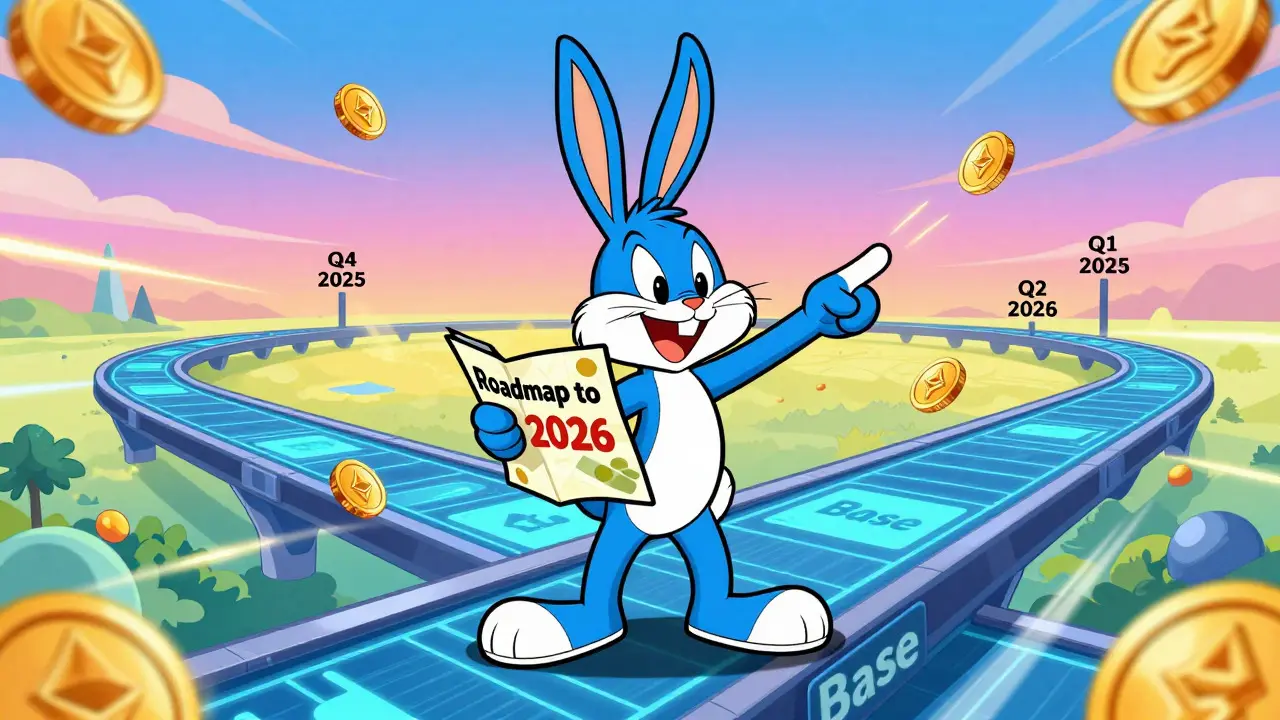
- Timeline is Clear: Q4 2025 focuses on design, Q1 2026 finalizes tokenomics, and Q2 2026 is the target window for distribution.
- Qualification Requires Activity: Simply holding ETH on Base is not enough. You need transaction history, DeFi interaction, and consistent usage across multiple months.
- Cost Efficiency Matters: Base fees are sub-cent, making it affordable to perform dozens of qualifying transactions without draining your wallet.
- Beware of Scams: No official team member will DM you. Any site asking you to connect your wallet to claim "BRW" immediately is likely a phishing attempt.
Understanding the Base Native Token Landscape
To navigate this correctly, we first need to clear up the confusion around naming. In the crypto world, communities often create acronyms before projects do. "BRW" sounds like "Base Reward," but Base has never adopted this ticker. The central entity here is Base, an Ethereum Layer 2 blockchain incubated by Coinbase. It uses the OP Stack, the same technology as Optimism, to offer fast, cheap transactions while inheriting Ethereum's security.
Why does a native token matter? Currently, Base charges fees in ETH. While this works, a native token allows for governance, staking, and fee discounts specific to the ecosystem. Jesse Pollak emphasized that this token is about decentralization and global adoption, not just creating a new asset for people to trade. This distinction is crucial because it means the distribution will likely favor builders and active users over pure speculators.
The announcement came with a heavy caveat from Coinbase CEO Brian Armstrong: "there are no definitive plans." However, in crypto terms, "exploration" followed by a public roadmap usually means "it is happening, but we are being careful." The strategic shift from a product-first approach to including token incentives marks a major evolution for the network. For you, the user, this means the window to qualify is open now, but it will close once the snapshot is taken.
The Official Timeline: What to Expect in 2026
Timing is everything in airdrops. Missing the snapshot date by even a day can mean zero rewards. Based on the information released at BaseCamp 2025, here is the structured approach Base is taking. This timeline is your guide for planning your activity.
- Q4 2025 (Current Phase): Token design and community feedback. This is when you should be ramping up activity. The team is collecting data on how users interact with the chain. Every transaction you make now helps define the profile of a "qualified user."
- Q1 2026: Finalizing tokenomics. During this period, the rules for distribution will be set. They might decide to weight certain actions higher than others (e.g., providing liquidity vs. simple swaps). Keep interacting consistently through these months.
- Q2 2026: Potential airdrop distribution. This is the target window for the actual drop. Snapshots are typically taken shortly before this phase begins.
Note that these are estimates based on public statements. Crypto projects often face delays due to regulatory scrutiny or technical hurdles. Do not assume the drop will happen exactly in June 2026. Stay engaged throughout the year.
How to Qualify: Practical Steps for Maximum Allocation
This is the part that matters most. How do you prove you are a real user and not a bot? Base has hinted that they will look for "consistent ecosystem participation." Here is a concrete strategy to build a strong qualification profile.
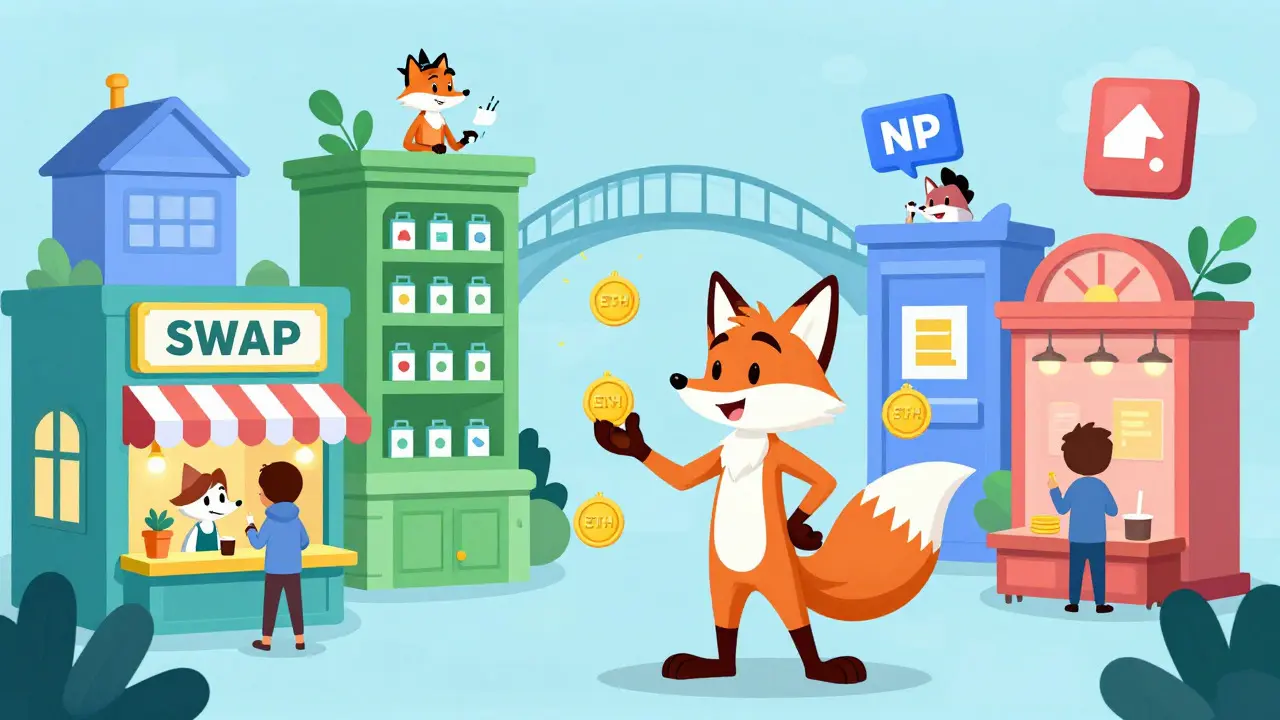
- Diversify Your Interactions: Don't just use one app. Use a decentralized exchange (DEX) like Uniswap or Aerodrome. Then, use a lending protocol like Moonwell or Compound. Next, try a bridge or a cross-chain tool. The goal is to show you are engaging with different parts of the Base economy.
- Maintain Consistency: A single large transaction in January and nothing else won't cut it. Aim for small, regular interactions. Swap $10 worth of tokens every week. Provide a tiny amount of liquidity. The algorithm likely looks for frequency and duration of engagement.
- Use Native Applications: Prioritize apps built specifically for Base. These include platforms like Friend.tech (for social trading), various NFT marketplaces on Base, and gaming apps. These "Base-native" protocols are more likely to be integrated into the airdrop criteria than generic tools that exist on every chain.
- Bridge Funds Regularly: Moving assets from Ethereum Mainnet to Base via the official bridge or reputable third-party bridges counts as activity. Doing this multiple times shows you are actively managing capital on the network.
- Hold Assets: While spending is important, holding stablecoins or ETH on Base during the snapshot period is also critical. An empty wallet gets nothing.
Remember, Base fees are incredibly low-often less than a penny per transaction. This makes it financially viable to perform dozens of micro-transactions to boost your activity score without losing significant capital.
Comparing Base to Other Layer 2 Airdrops
To understand the potential value, let's look at historical precedents. Arbitrum, another major Layer 2, distributed tokens to early users who bridged funds and used DeFi protocols. Users who were active in the early days received significant allocations. Base aims to mirror this success but with a larger user base thanks to Coinbase integration.
| Network | Key Qualification Factors | Estimated Value per User | Status |
|---|---|---|---|
| Arbitrum | Bridging, DeFi usage, NFT mints | $100 - $500+ | Completed |
| Optimism | RetroPGF contributions, voting, usage | $50 - $300+ | Completed |
| Base | Consistent tx history, native app usage, TVL | Unknown (High Potential) | Pending (Q2 2026) |
Base currently ranks as the second-largest Layer 2 network by TVL, with over $5 billion locked. It processes 328 million transactions in a 30-day period. These metrics suggest that if Base distributes tokens fairly among active users, the average allocation could be substantial. However, the sheer number of users also means competition for the top tiers of rewards will be fierce.
Avoiding Scams and Protecting Your Wallet
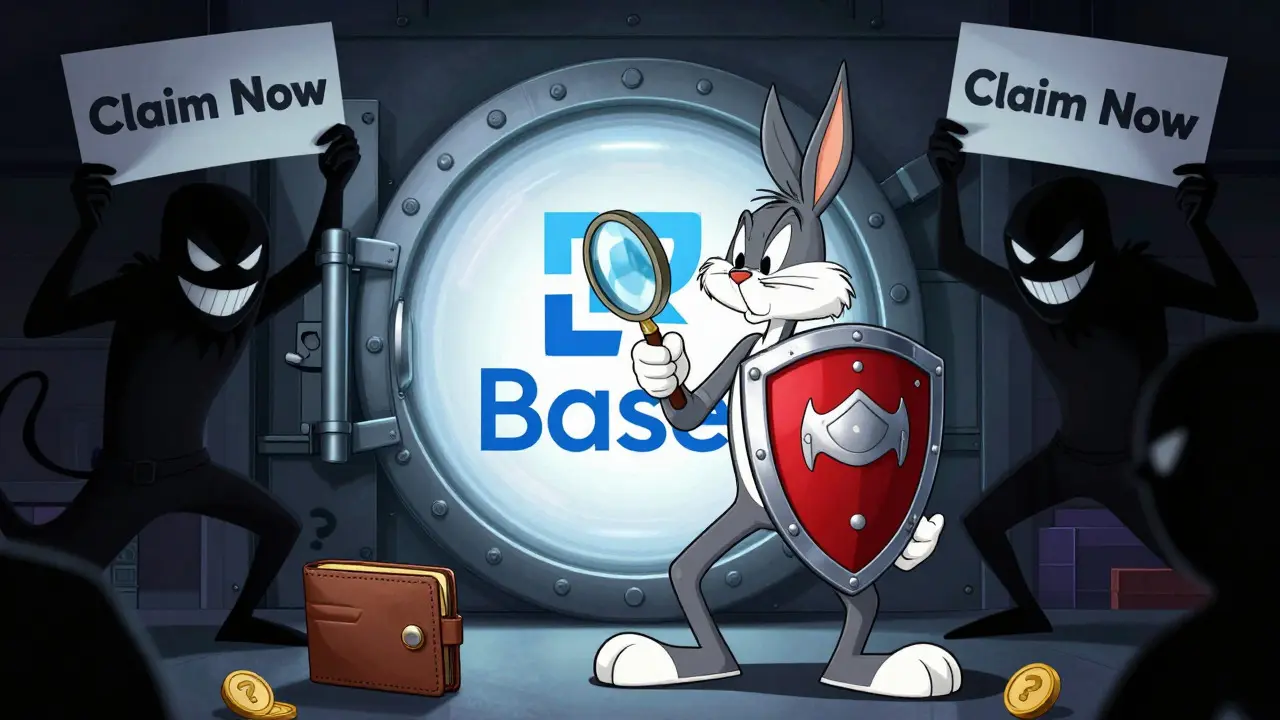
With great hype comes great risk. Because there is no official "BRW" token yet, scammers are already circulating fake contracts and phishing sites. Here is how to stay safe.
- Never Connect to Unknown Sites: Only use dApps listed on official Base directories or verified aggregators like DefiLlama. If a Twitter account tells you to click a link to "claim BRW," it is almost certainly a scam.
- Check Contract Addresses: If a token appears on a tracker, verify its contract address against official Base announcements. Fake tokens often have similar names but different addresses.
- Use a Burner Wallet: Consider using a secondary wallet for airdrop farming. Keep your main holdings in a secure hardware wallet or a separate hot wallet. This minimizes risk if you accidentally approve a malicious contract.
- Ignore DMs: The Base team and Coinbase support will never direct message you on Discord or Telegram to help you claim tokens.
The official communication channels are the Base website, the official X (Twitter) account, and the Base Discord server. Stick to these sources for updates.
Technical Considerations for Developers and Advanced Users
If you are a developer, your contribution carries extra weight. Building on Base, deploying smart contracts, or contributing to open-source projects within the ecosystem may qualify you for additional rewards. Base has committed to building in the open, meaning developer activity is closely monitored.
For advanced users, consider the concept of "Sybil resistance." Projects use sophisticated algorithms to detect bots creating thousands of wallets to farm airdrops. To avoid being flagged as a Sybil attacker:
- Use Realistic Behavior: Bots transact at weird hours or with identical amounts. Humans vary their transaction sizes and times.
- Link Identity Carefully: While you don't need to reveal your identity, having a unique on-chain history (like owning rare NFTs or having long-term ETH holdings) helps distinguish you from fresh burner wallets.
- Interact with Governance: If Base introduces any voting mechanisms before the token launch, participate. Voting signals genuine interest in the network's future.
Next Steps and Troubleshooting
So, what should you do today? Start by auditing your current Base activity. Have you transacted in the last 30 days? If not, bridge some ETH and make a small swap. Set a reminder to interact weekly. Join the Base Discord to stay updated on new app launches that might be incentivized.
If you encounter issues with transactions failing, check the Base status page. Network congestion can occasionally cause delays, though it is rare given the high throughput. Ensure your gas settings are appropriate for the current network conditions. Most wallets auto-adjust, but manual tweaks may be necessary during peak times.
Finally, keep an eye on the Q1 2026 tokenomics announcement. This document will likely contain the specific formula for distribution. Until then, consistency is your best strategy. Treat Base as your primary Layer 2 for daily crypto activities, and you will naturally position yourself well for the eventual drop.
Is there an official BRW token?
No. "BRW" is not an official ticker symbol. It is a community-generated term referring to the potential Base native token. Always refer to official Base announcements for accurate information.
When will the Base airdrop happen?
The target window is Q2 2026. However, this is an estimate based on the roadmap presented at BaseCamp 2025. Delays are possible, so maintain activity throughout 2026.
Do I need to hold a lot of money to qualify?
Not necessarily. While higher Total Value Locked (TVL) may increase rewards, consistent transaction history and diverse app usage are equally important. Small, frequent transactions can qualify you.
Will Coinbase users automatically get tokens?
Simply having a Coinbase account does not guarantee an airdrop. You must actively use the Base blockchain. Centralized exchange balances do not count as on-chain activity unless you withdraw to a self-custody wallet and interact with Base dApps.
How can I avoid being flagged as a bot?
Use a single wallet with a realistic transaction history. Vary your transaction amounts and times. Avoid using multiple wallets linked to the same IP address or funding source for repetitive tasks.
Categories