
The Quick Breakdown of FIGon
At its core, FIGon is a tokenized real-world asset (RWA) issued by Ondo Finance that tracks the price of Figma (FIG) stock. Think of it as a digital wrapper. Instead of holding a paper certificate or a line item in a corporate account, you hold a token on the blockchain. Because it is backed 1:1 with the underlying asset, one FIGon token represents the economic value of Figma shares. If Figma's stock price goes up, your token value follows. If it drops, the token drops too.
This isn't just about price tracking, though. The setup allows for automatic dividend reinvestment, meaning the benefits of owning the stock are passed through to the token holder. You get the economic exposure of a shareholder with the agility of a crypto trader.
| Attribute | Value / Detail |
|---|---|
| Ticker Symbol | FIGon |
| Issuer | Ondo Finance |
| Underlying Asset | Figma (FIG) NASDAQ Stock |
| Backing Ratio | 1:1 Asset Backing |
| Current Price (Approx.) | $21.14 - $21.38 USD |
| All-Time High | $71.98 (October 9, 2025) |
| Market Cap | ~$266,297 |
How the Ondo Infrastructure Works
To understand FIGon, you have to understand Ondo Finance is a financial technology platform that brings institutional-grade investing products to the blockchain. They've built a system where users can mint and redeem tokenized versions of U.S. stocks and ETFs. This effectively removes the "gatekeepers" of traditional finance.
For a regular person, the biggest win here is accessibility. Normally, buying US stocks involves navigating residency requirements, KYC (Know Your Customer) hurdles of traditional banks, and strict trading hours. With the Ondo platform, the process is streamlined. You can use a MetaMask is a popular software cryptocurrency wallet used to interact with the Ethereum blockchain and other EVM-compatible networks wallet to manage, swap, or trade FIGon directly. The blockchain handles the ownership record, making the transfer of these assets as fast as sending an email.
Trading Hours and Liquidity
One of the weirdest things for a crypto native to encounter with FIGon is that it doesn't trade 24/7 in the way Bitcoin does. Because it is tied to a real stock market, there is a hybrid schedule. You can buy and sell FIGon from Monday at 08:00 ET through Friday at 19:59 ET. This aligns with the liquidity of the actual stock exchanges.
However, the blockchain never sleeps. While the price updates and official trading follow the market, peer-to-peer transfers of these RWAs happen 24/7. If you want to send your FIGon tokens to a friend on a Sunday afternoon, you can. You just can't "mint" new ones or redeem them for cash through the official platform outside of the specified window.
Currently, you can find FIGon on several venues, including the MXC exchange and Ondo Global Markets. Data aggregation from places like CoinGecko ensures that you aren't getting ripped off by a single exchange's pricing, as it pulls from multiple markets to give a fair average.
The Reality of the Price Action
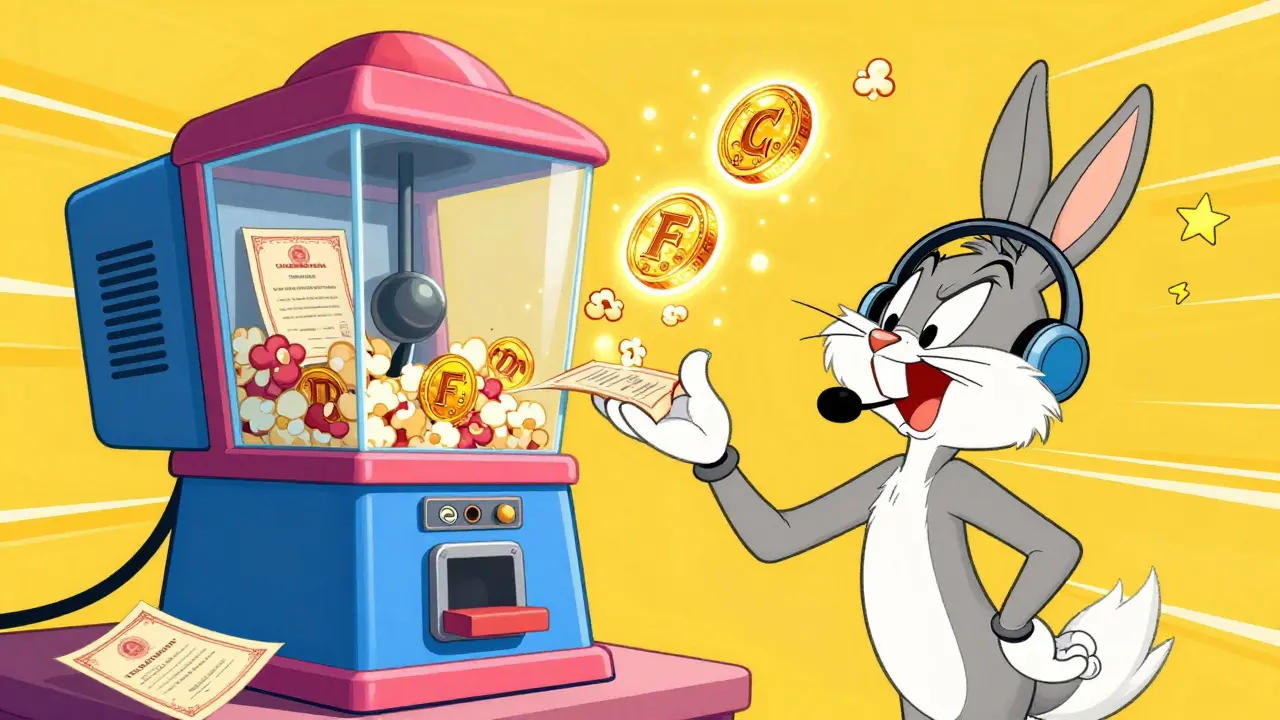
If you look at the charts for FIGon, you'll see a bit of a rollercoaster. The token hit a massive peak of nearly $72 in October 2025. Since then, it has crashed significantly-down about 70%-reaching a low of $19.88 on March 30, 2026. As of early April, it's hovering around $21.
Why the volatility? It's a double-edged sword. You have the volatility of the design software market (Figma's actual business health) combined with the volatility of the crypto market's appetite for RWAs. When people lose interest in tokenized assets, liquidity can dry up, causing prices to swing wildly even if the underlying stock hasn't moved as much. The recent 7.5% recovery from the March low suggests that some investors see the $20 range as a fair value floor, but the road back to $70 is a steep one.
Why Tokenize a Stock in the First Place?
You might be wondering, "Why not just buy the stock?" For many, that isn't an option. If you live in a country where US brokerage accounts are impossible to open, FIGon is a loophole. It democratizes access to high-growth companies. Instead of needing $1,000 minimums or a specific residency, you can buy a fraction of a share via a token.
Beyond access, there is the issue of settlement. In the old world, when you sell a stock, it takes days for the money to actually hit your account (T+2 settlement). With FIGon, the trade is settled almost instantly on the blockchain. This creates a level of efficiency that traditional finance simply can't match. It transforms a slow, bureaucratic process into a few clicks in a digital wallet.

Risks and Things to Watch Out For
While the 1:1 backing is designed to eliminate counterparty risk, there are still dangers. The biggest is regulatory risk. Governments are still figuring out how to treat tokenized securities. If a major regulator decides that these tokens bypass security laws, the platforms providing them might face restrictions.
There's also the "platform risk." While the assets are backed, you are relying on Ondo Finance's smart contracts to handle the minting and redemption. If there is a bug in the code or a security breach, your access to the underlying asset could be compromised. Always remember: when you buy a tokenized stock, you aren't just betting on the company (Figma), you are also betting on the infrastructure (Ondo).
What happens if Figma stock goes up or down?
Since FIGon is backed 1:1 by the actual shares, the token price is designed to mirror the stock price. If Figma's share price increases on the NASDAQ, the value of your FIGon tokens will increase proportionally.
Can I turn my FIGon tokens back into real cash or shares?
Yes, token holders can redeem their FIGon tokens for the equivalent value of the underlying Figma stock through the smart contracts provided by the Ondo platform, subject to their compliance and identity verification rules.
Is FIGon available 24/7?
Peer-to-peer transfers of the tokens happen 24/7. However, buying, selling, and minting through the platform generally follows the window of Monday 08:00 ET through Friday 19:59 ET to align with traditional market liquidity.
Do I need to be a US citizen to buy FIGon?
One of the primary goals of FIGon is to allow non-US retail and institutional users to gain exposure to US equities without needing a traditional US brokerage account, though some regional regulatory restrictions may still apply.
Where can I trade FIGon tokens?
FIGon is traded on exchanges such as MXC and Ondo Global Markets, and it can be managed directly through compatible wallets like MetaMask.
What's Next for RWA Tokens?
FIGon is just a glimpse into the future of the "Real World Asset" (RWA) trend. We are moving toward a world where everything-real estate, gold, private equity, and stocks-lives on a ledger. If this continues, the concept of a "stock market" will shift from a few centralized buildings in New York and London to a global, decentralized network of tokens.
If you're interested in this space, keep an eye on other Ondo Finance products and the general adoption of RWA standards. The success of FIGon depends heavily on whether the wider crypto community continues to trust these "wrapped" assets and whether regulators find a middle ground that allows this innovation to breathe.