WSPP Cryptocurrency: What It Is, Where It Stands, and What You Need to Know
When you hear WSPP cryptocurrency, a low-visibility token with minimal trading activity and no clear use case. Also known as WSPP token, it appears in a few obscure airdrop lists and community forums—but rarely on reputable exchanges or in credible project whitepapers. Unlike major DeFi tokens that unlock lending, staking, or governance, WSPP doesn’t clearly do anything. No team, no roadmap, no audits. Just a name, a contract address, and a handful of wallets holding it. That’s not unusual in crypto—there are thousands of tokens like this—but it’s exactly why you should pause before chasing it.
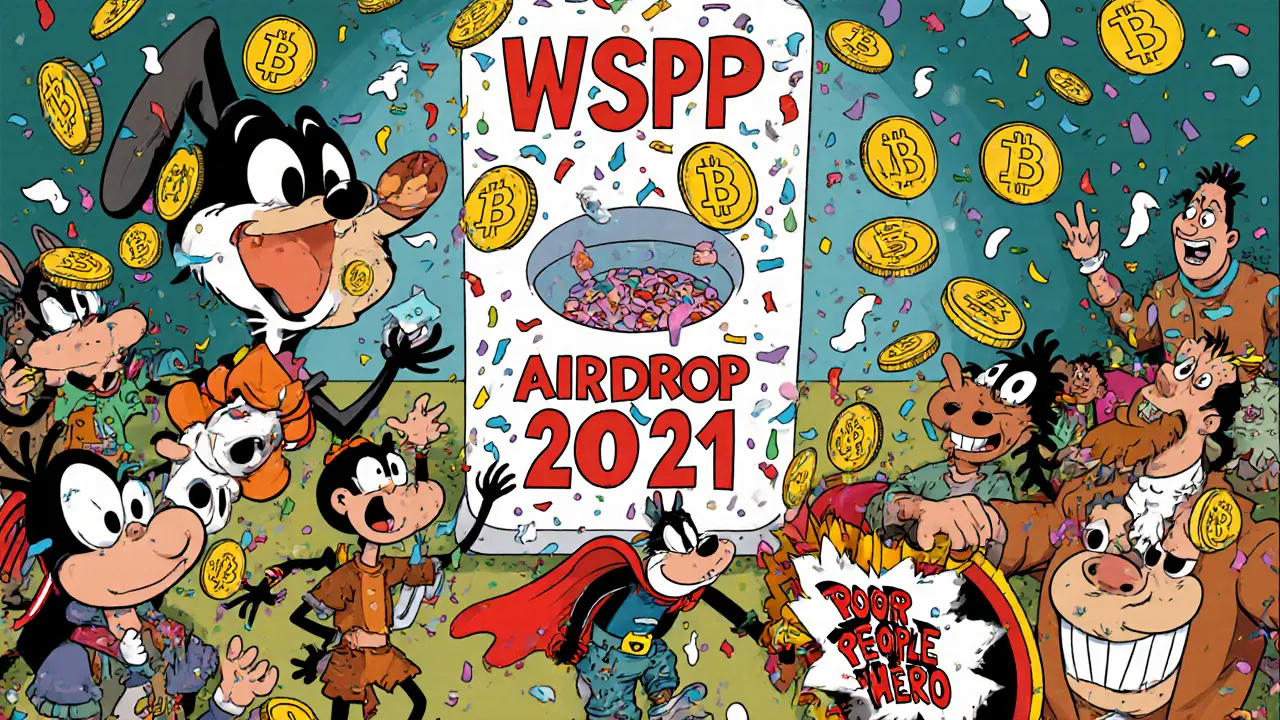
Most tokens like WSPP show up in crypto airdrops, free token distributions meant to bootstrap user adoption, often tied to games, NFT projects, or experimental chains. But if you’ve seen WSPP in an airdrop, you’ve probably also seen dozens of others with the same pattern: claim it, hold it, watch it drop to zero. The real question isn’t whether WSPP has value—it’s whether it’s even real. Some tokens like this are abandoned experiments. Others are deliberate scams designed to trick you into paying gas fees or sharing private keys. The difference? One has a dead Discord. The other has a fake website and a Telegram group full of bots.
What makes WSPP stand out isn’t its tech—it’s how little you can find about it. Compare that to DeFi token, a blockchain-based asset that powers lending, liquidity pools, or automated yield strategies like SWAP or SLRS, where you can trace every contract, team member, and update. Those projects still fail often—but at least you know why. With WSPP, there’s no why. No whitepaper. No GitHub. No Twitter activity since 2022. That’s not a startup. That’s a ghost.
So what’s in this collection? You’ll find real reviews of exchanges that vanished, airdrops that were scams, and tokens that promised everything but delivered nothing. You’ll learn how to spot the next WSPP before you waste time or money on it. No fluff. No hype. Just what works, what doesn’t, and why most of these tokens never should’ve existed in the first place.


Categories