Stablecoin Limits: What You Can and Can't Do with USDC, DAI, and Other Pegged Coins
When you hold a stablecoin, a cryptocurrency designed to maintain a steady value, usually tied to the U.S. dollar. Also known as pegged coin, it lets you move value without the wild swings of Bitcoin or Ethereum. But here’s the catch: even though stablecoins like USDC and DAI are supposed to be simple, reliable, and global, they’re running into limits everywhere. Banks freeze accounts. Exchanges block deposits. Countries ban them outright. You can’t just send them freely anymore — and that’s changing how people use crypto every day.
These limits aren’t random. They’re tied to regulatory frameworks, official rules governments impose on digital assets to fight money laundering and tax evasion. Places like Taiwan and Namibia don’t ban crypto outright, but they cut off the banking pipeline — meaning you can own USDC, but you can’t cash it out through your local bank. In Australia, crypto exchanges, platforms that let you trade digital assets for fiat currency must register with AUSTRAC or face criminal penalties. That’s why exchanges like BCoin.sg and Oasis Swap vanished — they skipped compliance. Stablecoins are the main target because they’re the bridge between crypto and real money. When regulators crack down, they go after the easiest point of contact: stablecoin deposits and withdrawals.
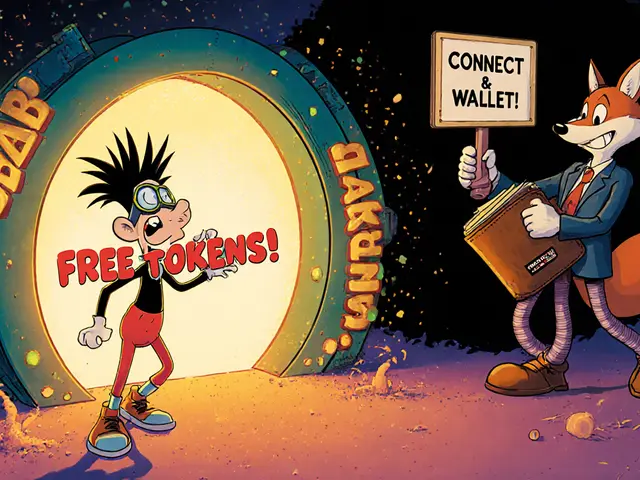
It’s not just governments. Exchanges themselves are setting limits. Some won’t let you deposit more than $1,000 in DAI without full KYC. Others freeze accounts if you send stablecoins to a wallet linked to a blacklisted address. Even airdrops like the fake BAKECOIN or ETHPAD claims often use stablecoins as bait — asking you to send USDT first to "claim" free tokens. That’s why so many posts here warn about scams tied to stablecoin transfers. And while countries like India and Costa Rica see high adoption, it’s because people bypass the system entirely — using P2P trades, crypto-to-crypto swaps, or even cash-based deals to avoid the limits.
What you’ll find below isn’t theory. It’s real cases. From exchanges that shut down because they couldn’t handle stablecoin compliance, to users in Namibia whose bank accounts got frozen for receiving USDC. You’ll see how Taiwan’s banking ban forces traders into risky workarounds. You’ll learn why a simple USDC deposit can trigger a 30-day hold on some platforms. And you’ll spot the red flags in fake airdrops that demand you send stablecoins first. This isn’t about speculation. It’s about survival in a world where even the most stable coins are now under siege.






Categories