Smart Accounts: What They Are and How They Change Crypto
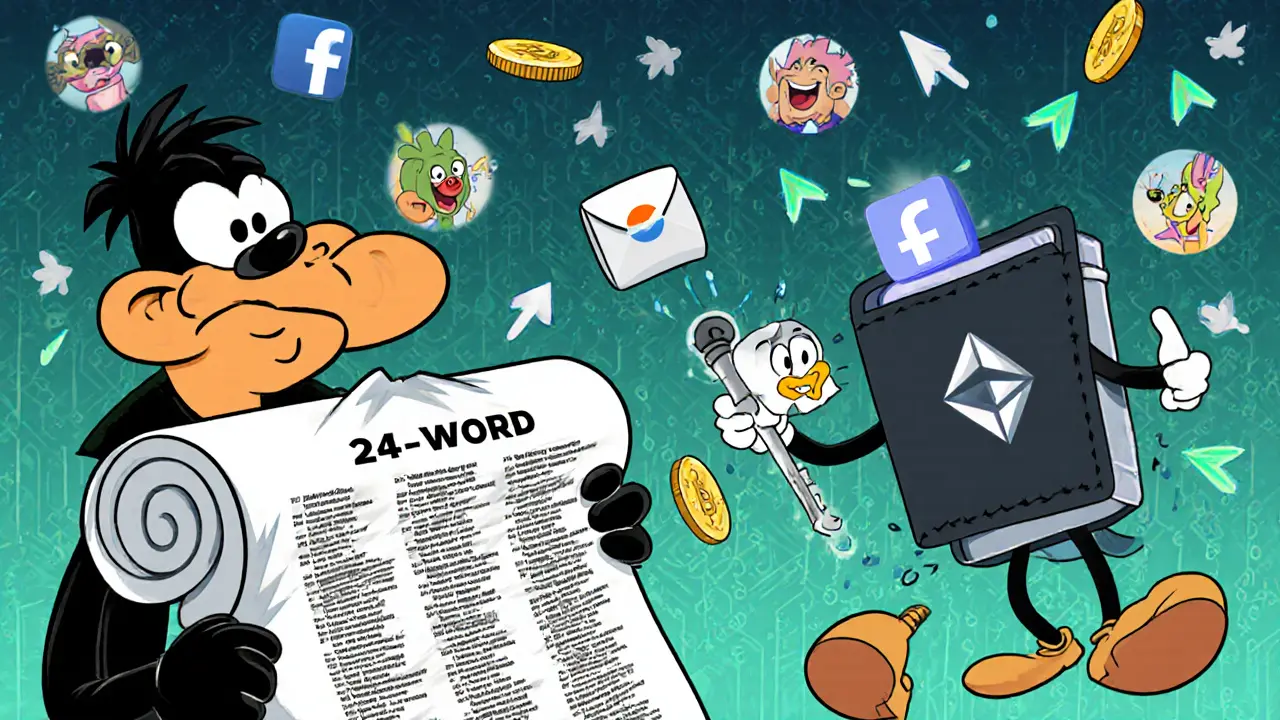
When you think of a crypto wallet, you probably picture a 12-word seed phrase you have to write down and never lose. But smart accounts, a new kind of crypto wallet powered by smart contracts that lets users control funds with rules, not just private keys. Also known as account abstraction, they let you log in with your email, set spending limits, recover access without a seed phrase, and even pay gas fees in any token—not just ETH. This isn’t science fiction. It’s already live on Ethereum, Polygon, and other chains—and it’s slowly replacing the old way of holding crypto.
Smart accounts aren’t just about convenience. They fix real problems. Think about how many people lost access to their crypto because they forgot their password or lost their phone. Or how scams trick users into approving malicious transactions because they didn’t understand the fine print. Smart accounts can block those attacks. For example, they can require two people to approve a big withdrawal, or only let you send money during business hours. Some even let you pay transaction fees using stablecoins instead of ETH, which saves you from having to buy crypto just to send crypto. That’s a game-changer for new users.
They also connect to real-world tools. You can link your smart account to apps that automatically claim airdrops, rebalance your portfolio, or even pay your rent in crypto. Companies like Safe (formerly Gnosis Safe) and Argent are building these wallets for everyday people—not just crypto experts. And while most people still use basic wallets today, the shift is happening fast. Major exchanges and DeFi platforms are starting to support them. If you’re holding crypto long-term, understanding smart accounts isn’t optional—it’s the next step in taking control of your assets.
Below, you’ll find real-world examples of how smart accounts relate to crypto trends you’re already seeing: NFT ticketing that locks access to verified owners, DeFi protocols that use smart contracts to lock funds securely, and failed exchanges that lacked the kind of user-friendly controls smart accounts provide. These aren’t random stories. They’re all connected by the same idea: crypto is moving from fragile, user-hostile systems to ones that protect you—automatically.





Categories