Free Crypto Airdrop: How to Find Real Ones and Avoid Scams
When you hear free crypto airdrop, a distribution of cryptocurrency tokens to wallet holders at no cost, often to grow a project’s user base. Also known as token airdrop, it’s one of the most tempting ways to get crypto without spending a dime. But here’s the truth: 9 out of 10 free crypto airdrops you see online are either fake, useless, or designed to steal your private keys.
Real airdrops don’t ask you to send crypto first. They don’t need your seed phrase. They don’t rush you with countdown timers. Legit ones—like the Artify X CoinMarketCap airdrop or the TAUR NFT reward program—require you to simply hold a token, follow a project on Twitter, or complete a simple task. They’re not about getting rich quick. They’re about building a community. Projects like WSPP on Polygon or PVU on BSC tried to use airdrops to spark interest, but many vanished because they had no real product, no team, and no plan beyond handing out tokens to get attention.
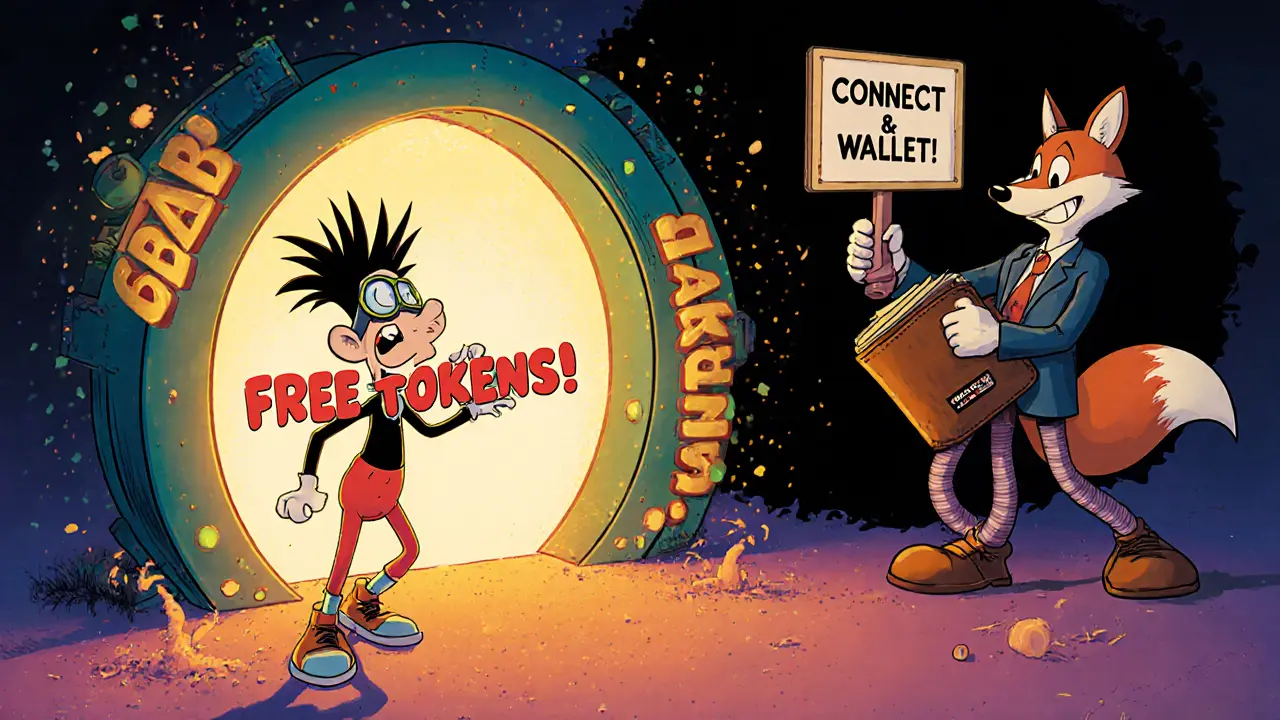
That’s why understanding the difference matters. A blockchain airdrop, a method used by decentralized projects to distribute tokens directly to wallets on a public ledger is a tool, not a gift. It’s how new protocols attract early users. But crypto scams, fraudulent schemes disguised as airdrops that trick users into approving malicious contracts or sending funds are everywhere. They mimic real ones perfectly—same logos, same social posts, same urgency. The only difference? They’re built to drain your wallet before you even know what hit you.
Most of the airdrops you’ll find here didn’t last. WSPP went silent. PVU had no official drop. TAUR rewards require you to own both an NFT and $500 in tokens—so it’s not free if you can’t afford it. These aren’t random failures. They’re patterns. Projects that rely on airdrops to create hype without building real utility always collapse. The ones that stick? They use airdrops to reward early adopters, not to lure in the gullible.
There’s no magic formula to find the next big free crypto airdrop. But there are red flags you can’t ignore: if it asks for your private key, if it links to a website that looks like a copy-paste job, if the token has zero trading volume on any exchange, or if the team is anonymous—it’s not worth your time. Real airdrops are quiet. They’re documented. They’re tied to active projects with code you can audit.
What you’ll find below isn’t a list of the hottest drops. It’s a record of what actually happened. Some projects gave away tokens and disappeared. Others created real value but got lost in the noise. A few even paid out. You’ll see how WSPP, TAUR, Artify, and PVU played out—not as hype, but as case studies. You’ll learn what to watch for, who to trust, and why the simplest rule still holds: if it sounds too good to be true, it is. And if you’re looking to earn crypto without risking your security, these stories are your best guide.




Categories