ETHPad GRAND Airdrop: What It Is, Why It Matters, and What to Watch For
When you hear ETHPad GRAND airdrop, a token distribution event linked to a decentralized fundraising platform built on Ethereum, it’s easy to assume it’s a free money opportunity. But not all airdrops are created equal. Many are marketing stunts, some are outright scams, and a few might actually give you something useful—if you know what to look for. ETHPad itself is a platform designed to help new blockchain projects raise funds through token sales and community-driven launches. The GRAND airdrop is likely one of its efforts to reward early supporters or test token distribution mechanics. But without official documentation, a verifiable team, or a clear roadmap, you’re walking into a gray zone.
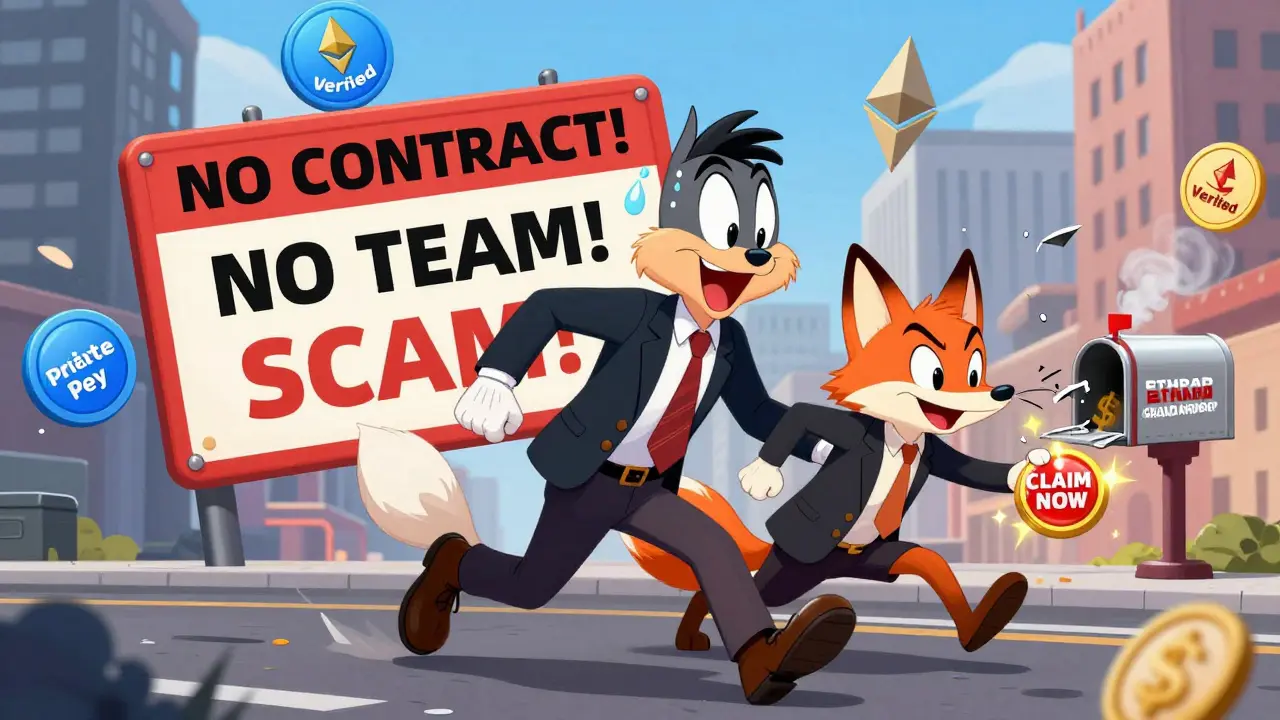
Think of crypto airdrop, a free distribution of tokens to wallet addresses, often to build community or incentivize usage like a lottery ticket: you don’t pay for it, but you still need to check if it’s real. Look at the Ethereum airdrop, any token giveaway tied to the Ethereum blockchain, often using smart contracts to automate distribution pattern. Legit ones come from projects with public GitHub repos, audited contracts, and active Discord or Telegram communities. Fake ones ask you to send ETH or sign weird approvals. You’ve probably seen this before—like the Unbound NFTs airdrop or BAKECOIN airdrop that turned out to be phishing traps. ETHPad GRAND could be the same. No one’s stopping you from claiming, but if you’re being asked to connect your wallet without knowing where the tokens are coming from, you’re already at risk.
Real airdrops don’t need you to pay gas fees upfront. They don’t ask for your private key. They don’t promise 100x returns. They just drop tokens into your wallet if you met a simple condition—like holding a certain NFT or being active on their platform before a cutoff date. The WSPP airdrop on Polygon gave away millions but vanished. The TAUR airdrop tied rewards to token holdings and NFT ownership. One was a ghost. The other had rules. ETHPad GRAND needs to be one of the latter. If you’re curious, check if ETHPad has a published tokenomics doc. Look for their contract address on Etherscan. See if anyone’s actually claiming and selling the tokens on decentralized exchanges. If the answer is no, then you’re not missing out—you’re avoiding a trap.
What you’ll find below are real-world examples of what happens when airdrops go wrong, when platforms disappear, and when users lose money because they didn’t ask the right questions. These aren’t theoretical warnings—they’re case studies from people who got burned. Whether it’s fake airdrops, dead exchanges, or meme coins with zero utility, the pattern is always the same: if it sounds too easy, it’s probably not real. Stay sharp. Check the facts. And never send crypto to claim something free.



Categories