DeFi India: What’s Really Happening in India’s Decentralized Finance Scene
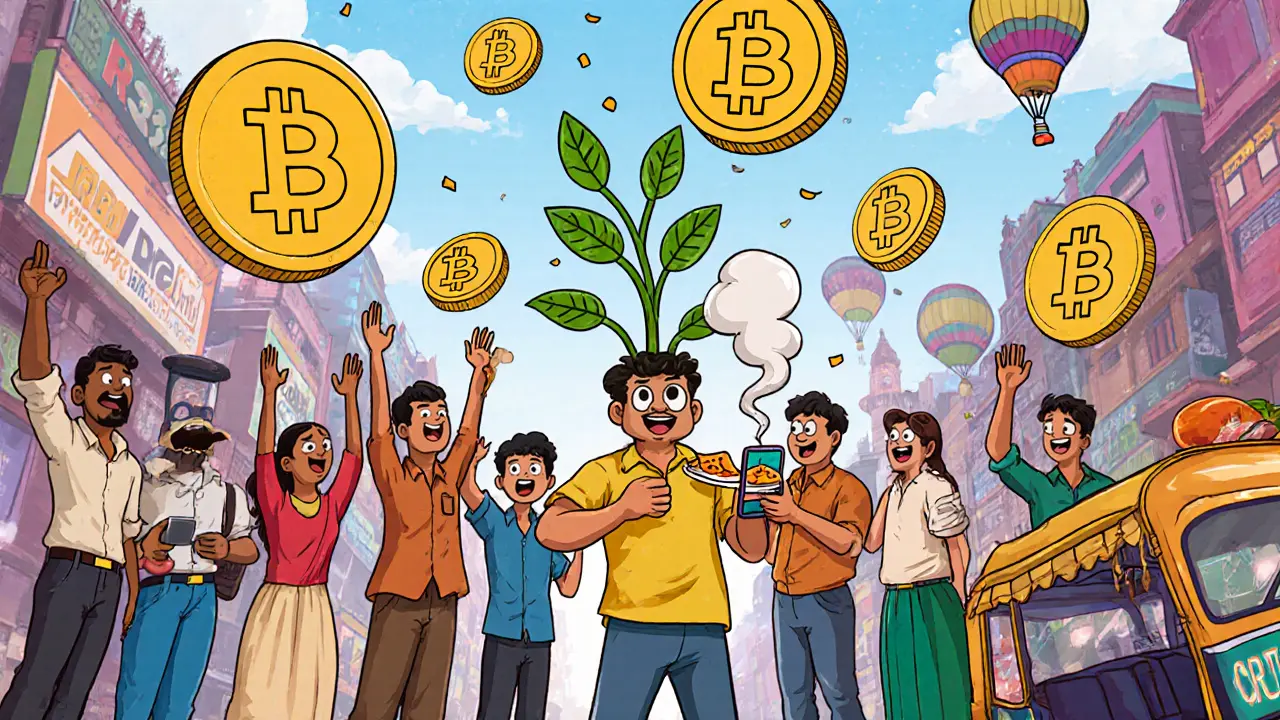
When people talk about DeFi India, the growing movement of decentralized finance applications used by Indian users despite regulatory uncertainty. Also known as Indian blockchain finance, it’s not just about trading tokens—it’s about bypassing traditional banking limits with smart contracts, lending platforms, and peer-to-peer systems. India has over 15 million crypto users, and DeFi is one of the few areas where adoption keeps climbing, even when banks shut doors.
What makes DeFi protocols, blockchain-based financial tools like lending, swapping, and earning interest without intermediaries. Also known as decentralized applications, it work in India? Because they don’t need a bank account. Platforms like Uniswap, Curve, or local forks let users trade, stake, or lend crypto directly from their wallets. That’s why you see so many posts here about fake airdrops like BAKECOIN or WSPP—people are hungry for free crypto, but most of these are scams targeting users who don’t know how to verify legitimacy. The real DeFi tools don’t ask you to send crypto first. They’re transparent, audited, and open-source.
But here’s the catch: Indian crypto regulation, the evolving legal framework around digital assets in India, including tax rules and banking restrictions. Also known as crypto laws India, it keeps shifting. The government doesn’t ban crypto outright, but banks freeze accounts linked to exchanges. That’s why platforms like Oasis Swap and BCoin.sg died—they couldn’t survive without banking access. Meanwhile, users turn to P2P trading, stablecoins, or offshore exchanges. DeFi India isn’t about big names or VC funding—it’s about everyday people finding workarounds. You’ll find posts here about NFT ticketing, account abstraction, and cross-chain protocols like UX Chain because these aren’t just tech demos—they’re practical tools for people who need financial control without approval.
There’s no official DeFi app from the Indian government. No state-backed wallet. No national stablecoin. What exists is grassroots, messy, and real. People in Mumbai, Bangalore, and Jaipur are using DeFi to earn interest on USDC, swap tokens without KYC, or even get loans against their crypto. But they’re also getting scammed by fake airdrops pretending to be from real projects. The line between opportunity and risk is thin—and that’s why this collection matters. Below, you’ll find honest breakdowns of real DeFi tools, exposed scams, and the quiet innovations that are quietly changing how Indians handle money. No hype. No fluff. Just what’s working, what’s dead, and what to watch next.




Categories