Crypto Exchange Safety: How to Pick a Secure Platform and Avoid Scams
When you're trading crypto, your crypto exchange safety, the reliability and security of the platform where you buy, sell, or store digital assets. Also known as crypto platform security, it's not just about two-factor authentication—it's about whether the exchange has real oversight, real audits, and a track record of protecting users. Too many people think a shiny website and fast withdrawals mean a platform is safe. That’s not true. Some of the worst hacks happened on exchanges that looked professional and even had fancy marketing.
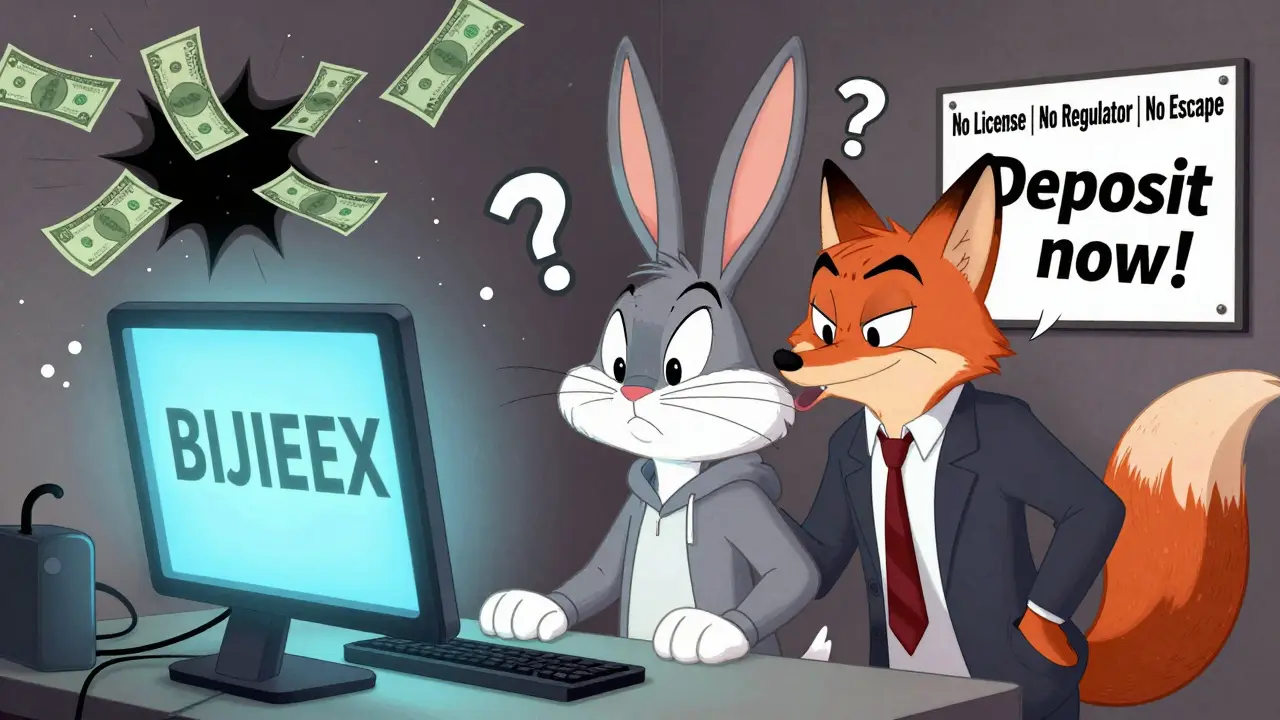
Real regulated crypto exchange, a platform legally registered with a government financial authority to operate. Also known as licensed crypto platform, it follows rules like KYC, AML, and cold storage requirements. Look for exchanges registered with AUSTRAC in Australia, FinCEN in the U.S., or similar bodies in the EU. These aren’t just paperwork—they’re legal consequences if the exchange gets hacked or steals funds. Compare that to unregulated platforms like Neblidex or Oasis Swap, which vanished after users couldn’t withdraw. No license? No protection. No oversight? No recourse.
crypto exchange scams, fraudulent platforms designed to trick users into depositing funds that are never returned. Also known as fake crypto exchange, it often looks real: fake reviews, copied logos, even fake customer support. They’ll promise low fees, high leverage, or free tokens—like the fake BAKECOIN or ETHPAD airdrops you see online. The moment you send crypto to claim it, you’re gone. Real exchanges don’t ask you to send money to get money. They don’t pressure you. They don’t disappear after a few months. If it sounds too good to be true, it’s not a platform—it’s a trap.
Security isn’t just about what the exchange does—it’s about what it doesn’t do. No team? Red flag. No public audits? Red flag. No customer support? Big red flag. The exchanges that last—like Biteeu, which is EU-licensed and uses satellite data backups—don’t hide behind buzzwords. They show their compliance, their infrastructure, their history. And they don’t need to hype themselves. You’ll find plenty of examples in the posts below: platforms that vanished, platforms that were never real, and the few that actually kept users’ money safe. You don’t need to guess which ones to trust. The data is right here.





Categories