Blockchain Gaming
When diving into blockchain gaming, the fusion of video‑game mechanics with decentralized blockchain technology that lets players truly own in‑game assets. Also known as crypto gaming, it reshapes rewards, economies, and communities inside virtual worlds. blockchain gaming isn’t just a buzzword; it’s a new way to earn, trade, and create value while you play.
Play‑to‑Earn Economy
One of the biggest draws is the Play‑to‑Earn, a model where gamers receive real token rewards for in‑game achievements. Those tokens can be swapped for other crypto, used to buy in‑game items, or staked for passive income. The model flips the old pay‑to‑win idea on its head and lets anyone with an internet connection join a global economy.
Play‑to‑Earn rewards rely on smart contracts, self‑executing code that enforces token distribution rules without a middleman. Because the contract runs on the blockchain, players can verify that reward rules can’t be changed behind their backs. This transparency is why many new games lock their economies to immutable code.
At the same time, NFTs, non‑fungible tokens that represent unique digital items such as skins, characters, or land parcels have become the backbone of ownership. An NFT lets you prove that a sword or a virtual plot is yours, no matter which platform displays it. Marketplaces like OpenSea or dedicated game hubs let players buy, sell, and auction these assets, turning leisure time into a tradable portfolio.
Tokenomics matters a lot in this space. A game’s native token must balance scarcity with utility—too many tokens dilute value, while too few limit player participation. Projects often allocate percentages for treasury, liquidity, staking rewards, and community grants. Understanding those splits helps you gauge long‑term sustainability before you invest time or money.
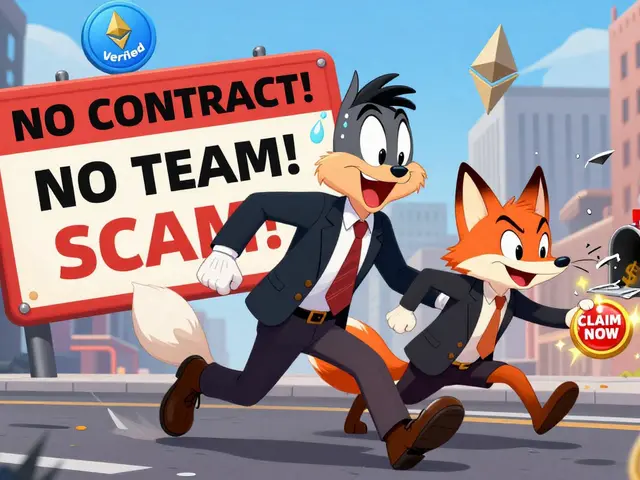
Airdrops are another entry point. Developers drop free tokens to early adopters, beta testers, or active community members. These drops can kick‑start a game’s economy and generate buzz, but they also come with risks like price volatility and scams. Always verify the source, check the smart‑contract address, and avoid giving away private keys.
Regulatory chatter is heating up, especially as play‑to‑earn blurs the line between gaming and financial services. Some jurisdictions treat in‑game tokens as securities, while others see them as utility tokens. Keeping an eye on local laws helps you stay compliant and protects your earnings from sudden freezes.
For developers, the challenge is building engaging gameplay that doesn’t feel like a grind for tokens. Successful titles marry solid game design with transparent economies, rewarding skill and creativity rather than just time spent online.
In the sections below you’ll find practical guides on wrapped tokens, tokenomics deep‑dives, exchange reviews, and the latest airdrop calendars—all tailored to help you thrive in the fast‑evolving world of blockchain gaming.

Categories