Bijieex Review: Is This Crypto Exchange Safe or a Scam?
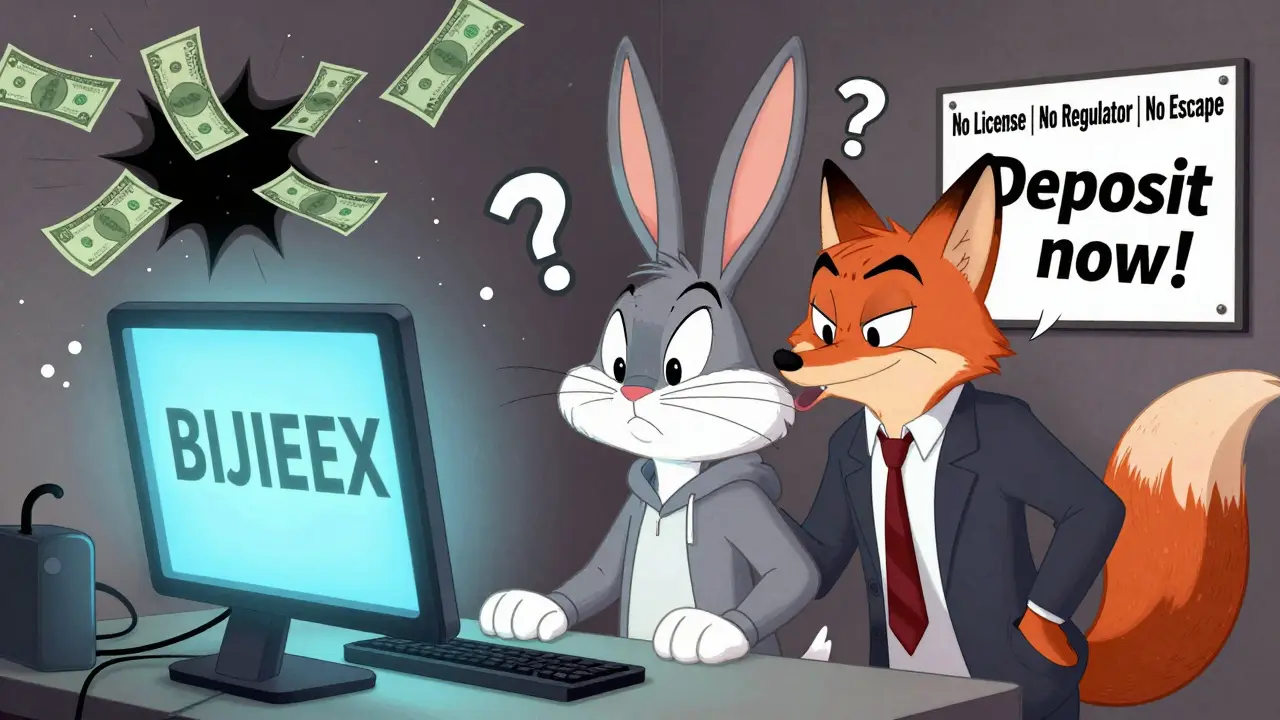
When you hear Bijieex, a now-defunct crypto exchange that disappeared after years of silence and zero transparency. Also known as Bijie Exchange, it once showed up on CoinMarketCap with fake volume and no team info—just promises of low fees and fast trades. But here’s the truth: Bijieex never delivered. No audits, no customer support, no public team members. Just a website that vanished without a trace, leaving users locked out of their funds. It’s not an outlier—it’s a textbook example of what happens when a crypto platform skips the basics of trust.
What makes Bijieex worth talking about today isn’t its features—it’s the crypto exchange safety, the set of practices and transparency standards that separate real platforms from ghost operations. Real exchanges publish third-party audits, list their legal entities, and have clear withdrawal policies. They don’t rely on hype or fake trading numbers. And they don’t disappear after collecting user deposits. Bijieex had none of that. It’s a reminder that if you can’t find a physical address, a licensed regulator, or even a LinkedIn profile for the founders, you’re dealing with a gamble—not a service.
The unregulated exchange, a platform operating without oversight from financial authorities like the SEC, FCA, or AUSTRAC is the real danger. Bijieex operated in that gray zone, where anyone can create a website, list a few coins, and collect wallets. No KYC? No problem. No customer service? Still fine. But when users try to withdraw, the site goes dark. That’s not a glitch—it’s the business model. And it’s why hundreds of similar exchanges have died in the last five years.
What you’ll find in this collection isn’t just a review of Bijieex. It’s a catalog of failed, vanished, or scam crypto platforms—each one a warning sign. From Oasis Swap to BCoin.sg, from Neblidex to Shido DEX, these aren’t random names. They’re patterns. They show how scams evolve: fake volume, hidden teams, no audits, then silence. You’ll also see what real, safe exchanges look like—ones with licenses, real support, and transparent fee structures. This isn’t about fear. It’s about knowing what to avoid so you don’t lose your money to something that never existed in the first place.


Categories