Banking Crypto Ban in Taiwan: What’s Really Happening
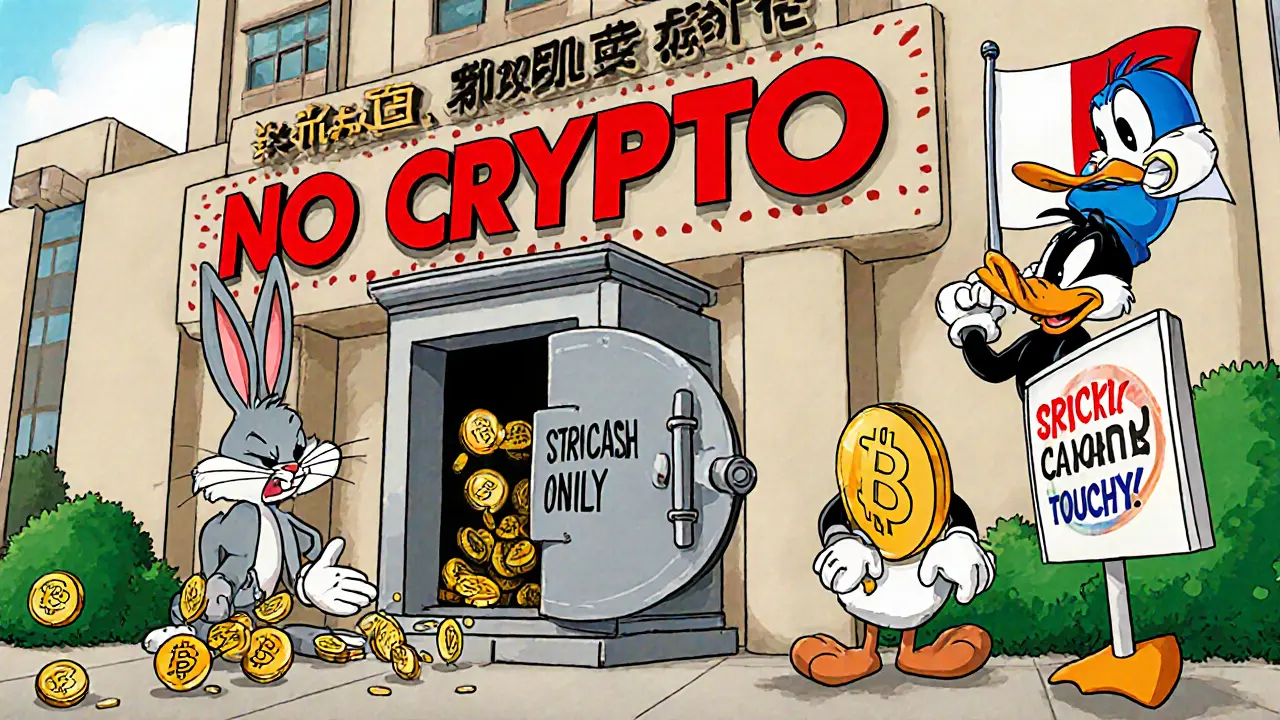
When people talk about a banking crypto ban in Taiwan, a situation where financial institutions refuse to process cryptocurrency-related transactions despite no official government ban. It’s not a law that says crypto is illegal—it’s banks acting like it is. This creates a strange reality: you can buy Bitcoin legally, but your bank might freeze your account if they see a transaction linked to Binance or OKX. The Taiwan crypto regulation, a patchwork of guidelines from the Financial Supervisory Commission that treats crypto as a commodity, not currency. It’s more like a warning than a rulebook. Banks don’t have to follow these guidelines—they just choose not to touch crypto money. That’s why you’ll find users stuck between using crypto and keeping their bank accounts open.
The crypto banking restrictions, practices by Taiwanese banks that block deposits from exchanges, reject withdrawals to crypto wallets, and flag accounts with any crypto activity. They’re not alone—this happens in South Korea, India, and parts of Southeast Asia too. But Taiwan’s case is unique because the government hasn’t stepped in to force banks to comply. That leaves users in a gray zone: crypto is legal, but using it feels risky. If you’re sending funds to a local exchange like Kuna or buying NFTs from a Taiwanese artist, your bank might ask why. Some people use peer-to-peer platforms or offshore accounts to get around this. Others just give up and stop using crypto altogether.
This isn’t about stopping innovation—it’s about control. Banks fear money laundering, regulatory fines, and reputational damage. They’d rather avoid the hassle than risk a penalty. Meanwhile, users who want to trade, stake, or use DeFi are left to figure it out on their own. You’ll find stories here about exchanges that shut down in Asia, how people bypass banking blocks, and what happens when your account gets frozen for no clear reason. The posts below show real cases: from people in Taipei who lost access to their savings, to traders who switched to crypto-only banks abroad. There’s no official ban, but the effect is the same: crypto is alive in Taiwan, but it’s living in the shadows.




Categories