Account Abstraction: What It Is and Why It Matters for Crypto Users
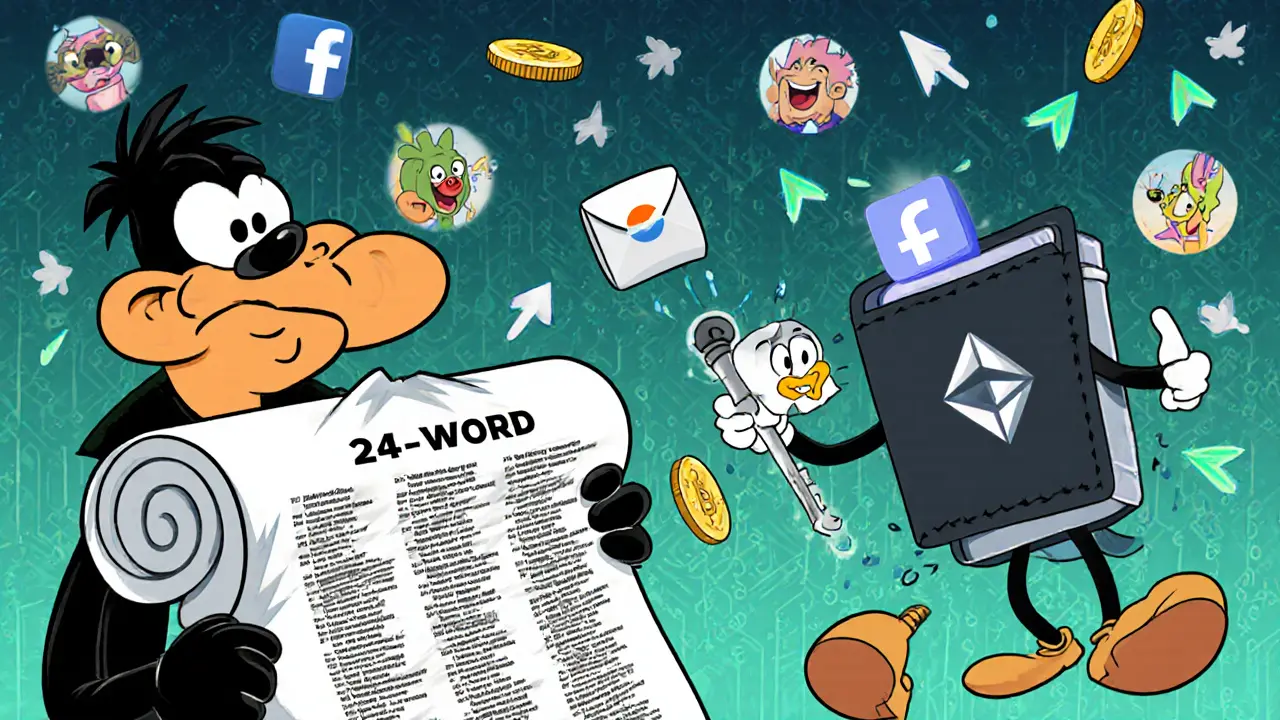
When you send crypto, you’re usually relying on a simple wallet tied to a private key. But account abstraction, a system that lets smart contracts manage wallet logic instead of fixed rules. Also known as AA, it removes the need to hold private keys directly—making wallets safer, more flexible, and easier to use. This isn’t just a tech upgrade. It’s a shift in who controls your crypto: instead of you holding a key that can be lost or stolen, your wallet becomes a programmable contract that can enforce rules like multi-signature approval, spending limits, or even social recovery.
Account abstraction relies on EIP-4337, a standard that enables smart contract wallets without changing Ethereum’s core protocol. Before this, changing wallet behavior required a hard fork. Now, anyone can build a wallet that pays gas in tokens instead of ETH, lets friends help recover your account, or blocks transactions to known scam addresses. Projects like Safe (formerly Gnosis Safe), a popular multi-sig wallet now built on account abstraction. and Argent are already using it to give users control without complexity. You don’t need to understand cryptography to use it—just tap a button to approve a payment or reset access via your email or phone.
What makes account abstraction powerful is how it connects to real-world needs. If you’ve ever lost access to a wallet, sent crypto to the wrong address, or been locked out because you forgot a password, this fixes those problems. It’s not about replacing wallets—it’s about making them smarter. And as more apps and exchanges adopt it, you’ll start seeing it everywhere: in DeFi platforms, NFT marketplaces, and even mobile crypto apps. The future isn’t just decentralized—it’s intuitive. Below, you’ll find real examples of how this tech is being used, misused, or ignored across crypto projects today.






Categories