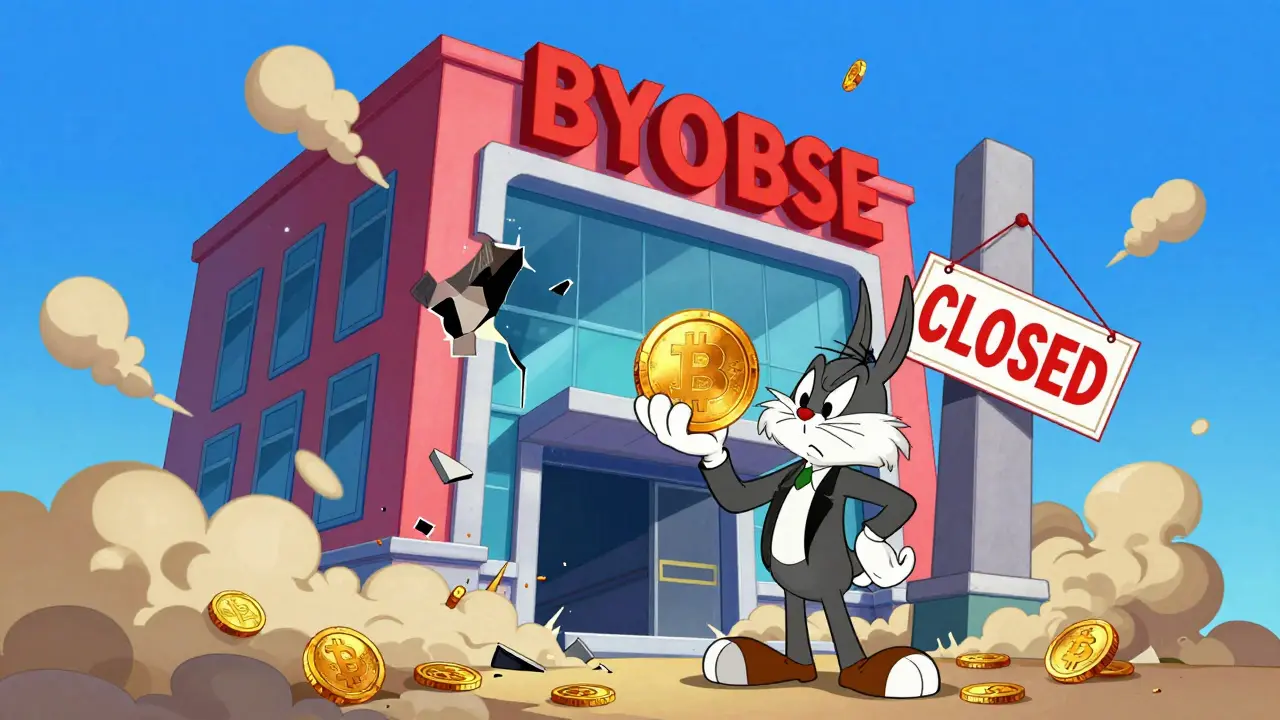
If you're searching for a Piexgo review to decide where to move your funds, there is one critical piece of information you need immediately: Piexgo is a defunct centralized cryptocurrency exchange that officially closed its operations on April 1, 2021. It is no longer active, and any website currently claiming to be the official Piexgo platform is likely a scam.
In the volatile world of digital assets, exchanges appear and disappear overnight. Piexgo followed this pattern, operating out of Singapore for a few years before vanishing without a formal farewell. For anyone who once held an account there or is researching the history of Singaporean exchanges, understanding why this platform failed provides a masterclass in the red flags of the crypto industry.
The Rise and Fall of Piexgo
Launched around 2018 or 2019 in Singapore, Piexgo entered the market during a period of massive growth in Asia's digital asset scene. It tried to position itself as a one-stop shop, offering spot trading, OTC (Over-the-Counter) services is a method of trading large volumes of assets directly between two parties to avoid moving the market price , and promised future derivatives products. It even secured strategic funding from Viking Capital in May 2019, which initially gave the platform a veneer of legitimacy.
However, the gap between its marketing and its actual utility was wide. While they boasted about an "advanced security system," they never provided concrete details on how that system actually worked. By early 2020, the cracks began to show. Industry trackers noticed that the platform's trading volume was essentially invisible, and the exchange was eventually moved to the "Exchange Graveyard" by analysts when it shut down completely in April 2021.
Core Features and Critical Flaws
During its brief operational life, Piexgo offered a few perks that attracted retail traders, but these were overshadowed by massive structural gaps. Let's look at what they actually provided versus what was missing.
On the positive side, their fee structure was aggressive. They charged makers 0.05% and takers 0.15%, which was significantly lower than the 0.25% industry average at the time. They also launched mobile apps for Android and iOS, making it easy to trade on the go. For whales, the OTC desk was a key feature designed to prevent "slippage"-that frustrating moment when a large order pushes the price up or down before the trade completes.
The flaws, however, were deal-breakers for most. The biggest issue was the complete lack of fiat on-ramps. This means you couldn't just deposit US Dollars or Singapore Dollars to buy Bitcoin. You had to already own crypto from another exchange and transfer it into Piexgo. This created a massive barrier for beginners. Furthermore, there was zero transparency regarding withdrawal fees, leaving users in the dark about how much of their profit would be eaten up when trying to move money out.
| Feature | Piexgo Value | Industry Standard (Then) |
|---|---|---|
| Maker Fee | 0.05% | 0.1% - 0.25% |
| Fiat Deposits | None (Crypto only) | Common (USD/EUR/SGD) |
| Mobile Access | iOS & Android Apps | Web & App based |
| Volume Transparency | Untracked / Low | High (via CoinMarketCap/CoinGecko) |

The Liquidity Trap: A Warning Sign
Liquidity is the lifeblood of any exchange. If there aren't enough buyers and sellers, you can't execute trades at the price you want. In the case of Piexgo, liquidity was a ghost. By March 2020, major data aggregators like CoinMarketCap is a price-tracking website for cryptocurrencies that provides market capitalization and volume data and CoinGecko is a cryptocurrency data aggregator that tracks prices, volumes, and exchange rankings had stopped tracking Piexgo's volume entirely.
When an exchange becomes an "Untracked Listing," it's usually a sign that the platform is struggling or manipulating its numbers. For a trader, this is the ultimate red flag. If you can't verify that people are actually trading on the platform, your funds are at high risk. Piexgo's eventual shutdown was not a surprise to professional analysts who had seen the volume disappear months prior.

Lessons from the Piexgo Failure
Why does a platform with funding and a mobile app just disappear? Most likely, it was a combination of poor user acquisition and an inability to compete with giants like Binance is one of the world's largest cryptocurrency exchanges by trading volume or Coinbase is a leading US-based cryptocurrency exchange known for its regulatory compliance and ease of use . These platforms offered seamless fiat integration and massive liquidity, making small, crypto-only exchanges obsolete.
Piexgo also failed the transparency test. In the crypto world, "trust me" is not a security strategy. Claiming to have an "international asset management team" without naming the people or showing their credentials is a classic tactic used by platforms that lack real substance. When the platform finally closed on April 1, 2021, there was no official announcement, no clear wind-down procedure, and no guidance for users to migrate their assets. This lack of professionalism is why it's now remembered as a cautionary tale.
Is Piexgo still operating in 2026?
No. Piexgo closed down definitively on April 1, 2021. There have been no official revivals or acquisitions of the platform since then.
Can I recover funds from my old Piexgo account?
Since the exchange shut down without an official wind-down process or migration plan, recovering funds is extremely unlikely. Be very wary of anyone claiming they can "recover" your Piexgo funds for a fee; these are typically recovery scams.
What were the main red flags associated with Piexgo?
The primary red flags included the lack of fiat on-ramps, unverified trading volumes on major aggregators, vague security claims, and a lack of transparency regarding withdrawal fees.
Was Piexgo a scam or just a failed business?
While it secured real funding from Viking Capital, the abrupt closure without user notification is characteristic of poorly managed or fraudulent platforms. Officially, it is categorized as a discontinued business, but the lack of a formal exit strategy is a major red flag.
Which exchanges are better alternatives to defunct ones like Piexgo?
For stability and liquidity, users typically gravitate toward established platforms like Binance, Coinbase, or Kraken, which provide transparent volume reporting and robust fiat-to-crypto gateways.
Next Steps for Traders
If you are looking for a new exchange today, don't just look at the fees. Low fees are often used as "bait" to attract users to low-liquidity platforms. Instead, follow these rules of thumb:
- Verify Volume: Check both CoinMarketCap and CoinGecko. If the volume is "untracked" or looks fake (identical patterns every day), stay away.
- Check the On-Ramps: If a platform only accepts crypto deposits, it's a sign they aren't integrated with the traditional banking system, which increases regulatory risk.
- Look for Real People: A company with no named founders or a vague "international team" is a gamble. Look for executives with verifiable LinkedIn profiles and professional histories.
- Test Withdrawals: Before depositing a large amount, do a small test withdrawal to see if the fees are hidden or if the process is intentionally slow.