The landscape of cryptocurrency security shifted dramatically in mid-2025. If you run a Web3 company, hire remote developers, or manage digital assets, the name OFAC likely appeared in your compliance reports more than ever before. The U.S. Department of the Treasury’s Office of Foreign Assets Control launched an aggressive campaign against North Korean networks that stole over $2.1 billion in crypto during the first half of 2025 alone. This isn’t just about rogue hackers breaking into exchanges anymore. It is about state-sponsored operatives embedding themselves inside legitimate companies to steal data and launder money.
By June 2026, the rules have settled into a new normal. The threat has evolved from simple wallet draining to sophisticated social engineering and identity fraud. Understanding these sanctions is no longer optional for anyone in the blockchain space; it is a survival requirement. Let’s break down who is being targeted, how they operate, and what you need to do to stay safe.
The Scale of the Threat: More Than Just Hacking
We used to think of North Korean cyber threats as external attacks-malware hitting exchange servers or phishing emails targeting users. That model is outdated. The current threat is internal. According to analysis by TRM Labs, North Korean actors generated massive revenue not by brute-forcing encryption, but by stealing trust. They infiltrated companies, gained access to internal systems, and moved funds out slowly and carefully.
The numbers are staggering. In the first six months of 2025, attributed thefts hit $2.1 billion. To put that in perspective, this exceeds the annual GDP of many small nations. These funds don’t disappear into the void; they flow directly into the Democratic People’s Republic of Korea’s (DPRK) weapons programs. When you interact with these networks, even indirectly, you are funding ballistic missile development. That is why the U.S. government responded with such force.
The shift in tactics means traditional cybersecurity firewalls aren’t enough. You can have the best intrusion detection system in the world, but if an employee-or someone posing as one-has legitimate credentials, those tools often miss the activity until it is too late. This human element is the core of the OFAC crackdown.
Who Is Being Sanctioned? Key Entities and Individuals
OFAC does not sanction vaguely. They target specific nodes in the network. Throughout 2025, several high-profile designations were made that serve as red flags for any compliance officer. Knowing these names and entities is crucial for screening.
| Entity / Individual | Type | Role in Network | Date of Designation |
|---|---|---|---|
| Vitaliy Sergeyevich Andreyev | Individual (Russian National) | Facilitator for IT worker schemes | August 27, 2025 |
| Kim Ung Sun | Individual (North Korean) | Financial transfers, crypto-to-cash conversion | August 27, 2025 |
| Shenyang Geumpungri Network Tech Co. | Entity | Front company for IT operations | August 27, 2025 |
| Korea Sinjin Trading Corporation | Entity | Sanctions evasion and trade facilitation | August 27, 2025 |
| Korea Sobaeksu Trading Company | Entity | Clandestine revenue generation | 2025 (Expanded List) |
Notice the pattern here. The sanctions target both the technical operators and the financial facilitators. Vitaliy Andreyev, for example, is a Russian national who helped bridge the gap between North Korean workers and international platforms. Kim Ung Sun handled the dirty work of converting stolen stablecoins into cash, facilitating nearly $600,000 in transfers personally. By sanctioning these individuals, OFAC aims to cut off the plumbing that moves money out of the crypto ecosystem and into fiat currencies.

The "IT Worker" Scheme: How the Fraud Works
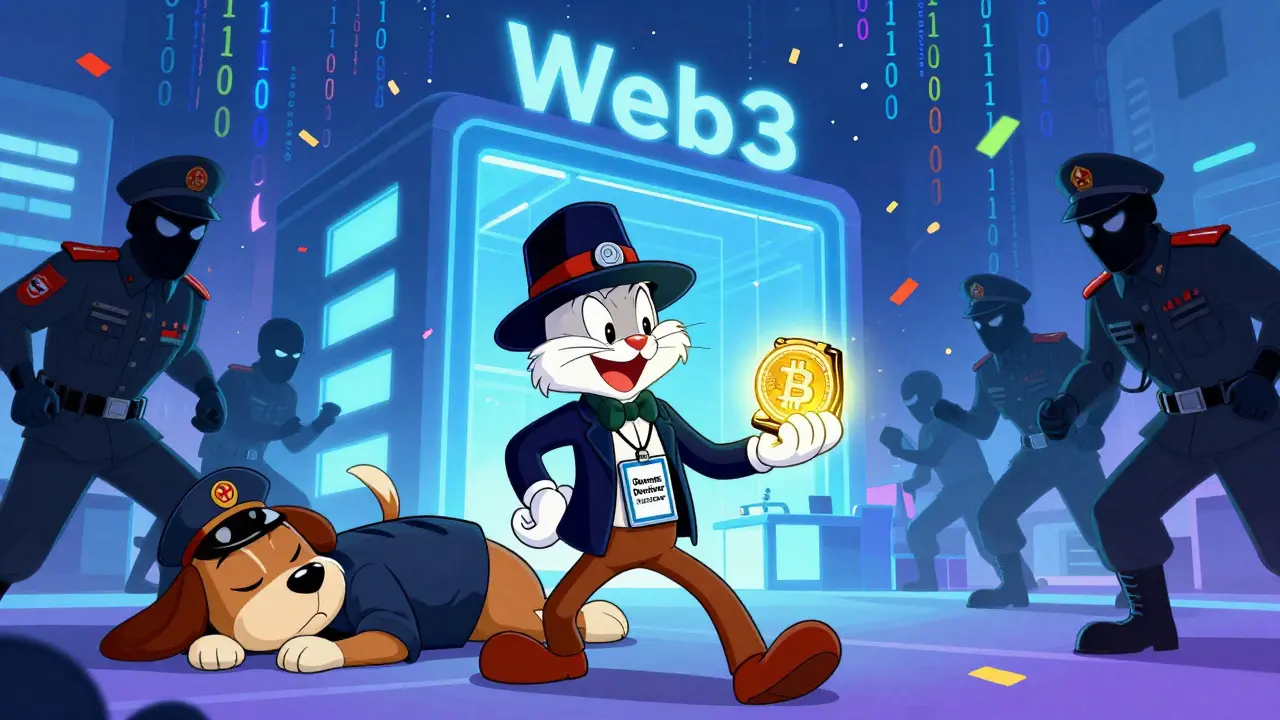
This is the most dangerous part of the current threat landscape. North Korean state-affiliated groups, tracked under aliases like Famous Chollima, Jasper Sleet, UNC5267, and Wagemole, recruit workers who are sent abroad or hired remotely. These individuals are not random freelancers. They are trained operatives.
Here is how the scheme typically unfolds:
- Identity Fabrication: The operative creates a curated fake identity. They build a history on GitHub, CodeSandbox, Medium, and freelance platforms like RemoteHub or CrowdWorks. These profiles look authentic because they often contain real code contributions and consistent activity over months or years.
- Infiltration: They apply to jobs at cryptocurrency startups, Web3 firms, or tech companies that offer remote work. They specifically target organizations with decentralized cultures where oversight is minimal.
- Legitimate Work: For the first few weeks or months, they do good work. They write clean code, meet deadlines, and integrate into the team. This builds trust and grants them higher-level access permissions.
- Reconnaissance: While working, they map the company’s infrastructure. They identify where private keys are stored, how multi-signature wallets are managed, and who holds administrative privileges.
- Exploitation: Once they have enough access, they begin moving funds. Sometimes this is direct theft. Other times, they install backdoors to steal customer data and demand ransom later.
The U.S. Department of Justice highlighted this in a June 2025 civil forfeiture complaint. Workers using aliases like "Joshua Palmer" and "Alex Hong" collected stablecoin payments from employers. Instead of spending the money on living expenses, they routed it through centralized exchanges and self-hosted wallets, eventually consolidating it for senior DPRK operatives like Kim Sang Man and Sim Hyon Sop.
Laundering Infrastructure: From Crypto to Cash
Stealing the crypto is only half the battle. The other half is cleaning it. North Korean networks have developed sophisticated laundering pipelines that span multiple countries, including Russia, the UAE, and Southeast Asia.
The process usually involves fragmentation. Large sums of stolen USDC or ETH are broken into smaller transactions to avoid triggering automated alerts on exchanges. These fragments are mixed through various wallets before being consolidated. Finally, the funds are converted to fiat currency using Over-The-Counter (OTC) brokers. Some of these brokers have also been sanctioned by OFAC for their role in facilitating these transactions.
Investigators found evidence of extensive use of Russian IP addresses and fabricated documentation to open accounts on global financial platforms. This international coordination makes tracking difficult, which is why blockchain analysis firms like TRM Labs play such a critical role. They monitor on-chain behavior for patterns associated with known threat actors, flagging addresses that show behavioral overlap with previously identified DPRK-linked networks.

What This Means for Your Business
If you are a business owner, developer, or investor in the crypto space, you need to adjust your risk management strategy immediately. The era of trusting a resume and a GitHub link is over.
- Enhanced Due Diligence (EDD): Do not rely solely on digital profiles. Verify identities through video interviews and cross-reference personal details. Look for inconsistencies in employment history or location data.
- Screening Tools: Implement software that screens employees and contractors against OFAC’s Specially Designated Nationals (SDN) list. Check not just names, but also IP addresses and device fingerprints.
- Access Controls: Limit administrative access. No single employee should have full control over treasury wallets. Use multi-signature setups with geographically distributed signers.
- Monitor Transactions: Watch for unusual outgoing transactions, especially those involving stablecoins moving to unknown wallets. Set up alerts for any interaction with addresses flagged by blockchain intelligence providers.
The penalties for non-compliance are severe. Beyond losing your funds to theft, interacting with sanctioned entities can lead to criminal charges, asset freezes, and heavy fines. The U.S. government is pursuing a "whole-of-government" approach, meaning the FBI, Homeland Security, and State Department are all involved in these investigations.
The Bigger Picture: Geopolitics and Crypto
This isn’t just a crime story; it’s a geopolitical one. North Korea faces intense economic isolation due to its nuclear program. Cryptocurrency offers a way to bypass traditional banking sanctions. By hiring IT workers globally, they tap into the global economy without leaving their borders.
The U.S. response, coordinated with allies like Japan and South Korea, signals that crypto will not be a safe haven for state-sponsored theft. The joint statements issued in August 2025 emphasized that these networks pose a threat to national security. As enforcement tightens, we expect more front companies to be shut down and more individuals to be arrested.
For the broader industry, this highlights the importance of transparency. Blockchain technology was supposed to bring openness, but it has also been exploited for opacity. The fight against North Korean crypto networks is pushing the industry toward better standards for identity verification and transaction monitoring. Companies that adapt now will be safer and more trustworthy in the long run.
What exactly did OFAC sanction in 2025 regarding North Korea?
OFAC sanctioned specific individuals, front companies, and trading entities involved in North Korea's overseas IT worker schemes and cryptocurrency theft. Key targets included Vitaliy Andreyev, Kim Ung Sun, Shenyang Geumpungri Network Technology Co., Ltd, and Korea Sinjin Trading Corporation. These sanctions aim to disrupt the flow of funds supporting the DPRK's weapons programs.
How much money have North Korean actors stolen via crypto in 2025?
According to TRM Labs analysis, North Korean threat actors stole over $2.1 billion in cryptocurrency during the first half of 2025 alone. This represents a significant increase in activity compared to previous years.
Who are "Famous Chollima" and "Jasper Sleet"?
These are aliases used by cybersecurity researchers to track specific North Korean state-sponsored hacking groups. They are assessed to be directly affiliated with the Workers' Party of Korea and are responsible for the IT worker infiltration schemes.
How do North Korean IT workers infiltrate companies?
They use fabricated identities and professional profiles on platforms like GitHub and Freelancer. They apply for remote positions at crypto and tech companies, perform legitimate work initially to gain trust and access, and then exploit their position to steal data or move funds.
What should businesses do to protect themselves?
Businesses should implement enhanced due diligence for remote hires, screen employees against OFAC lists, limit administrative access to sensitive systems, and use blockchain analytics tools to monitor for suspicious transaction patterns.
Are there legal consequences for interacting with these networks?
Yes. Interacting with sanctioned entities or individuals can result in severe penalties, including asset freezes, criminal charges, and heavy fines. The U.S. government treats these activities as threats to national security.