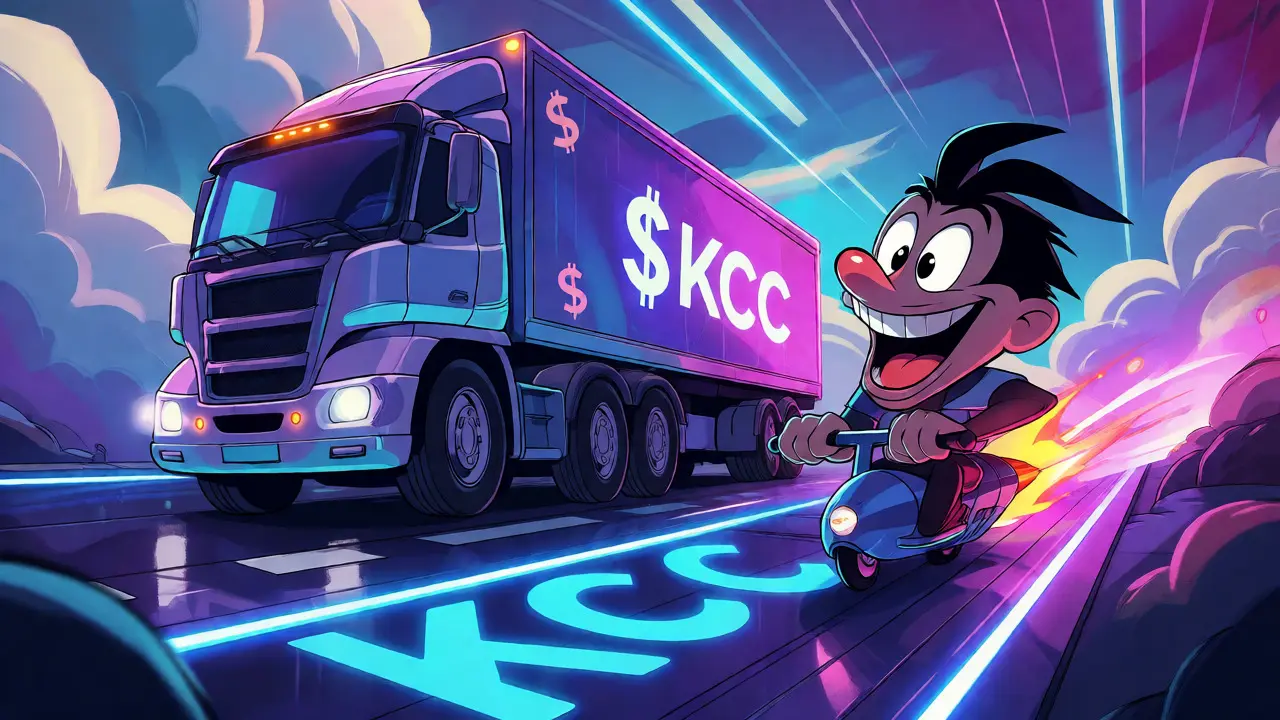
Everyone loves free money, right? But in the world of decentralized finance (DeFi), "free" usually comes with homework. If you've been hearing whispers about the KCCSwap airdrop on the KuCoin Community Chain (KCC), you're probably wondering if it's worth your time. Is this another scam, or a genuine opportunity for early adopters? The truth is, while specific official details can be elusive until the last minute, understanding how these ecosystem drops work gives you a massive edge. This isn't just about clicking a button; it's about positioning yourself within the KuCoin ecosystem before the crowd arrives.
What Exactly Is KCCSwap?
To understand the airdrop, you first need to understand the playground. KCCSwap operates on the KuCoin Community Chain (KCC), an Ethereum Virtual Machine (EVM)-compatible blockchain designed to lower transaction costs for users holding KuCoin Shares (KCS). Think of KCC as a faster, cheaper sidecar to the main Ethereum network. Protocols like KCCSwap build decentralized exchanges (DEXs) here to let people trade tokens without paying $50 gas fees.
The concept isn't new. We saw similar patterns with MojitoSwap, which launched on KCC in late 2021 and distributed 1 million MJT tokens to reward early users. KCCSwap aims to replicate this success by incentivizing liquidity providers and traders. The core value proposition is simple: provide liquidity or trade frequently, and get rewarded with governance tokens. These tokens aren't just digital confetti; they often grant voting rights on protocol upgrades and fee structures.
Why Do DEXs Launch Airdrops?
You might ask, why give away tokens instead of just selling them? It’s a strategic move known as "retroactive funding." By distributing tokens to past users, protocols bootstrap their community and decentralize ownership instantly. Instead of relying solely on venture capitalists, the power shifts to the people actually using the platform.
In 2025 and 2026, this trend has matured. Projects like Lighter and Paradex have used points systems to track user engagement over months, not just days. They want loyal users, not mercenaries who dump tokens the second they hit their wallets. For KCCSwap, the goal is likely to cement its place among other KCC-based DEXs by rewarding those who helped seed its initial liquidity pools.
How to Position Yourself for the Airdrop
If you haven't interacted with KCCSwap yet, don't panic. You can still qualify if you act now. Most airdrops use a snapshot method, meaning they take a picture of the blockchain state at a specific date. Anyone active before that date gets included. Here is how you typically qualify:
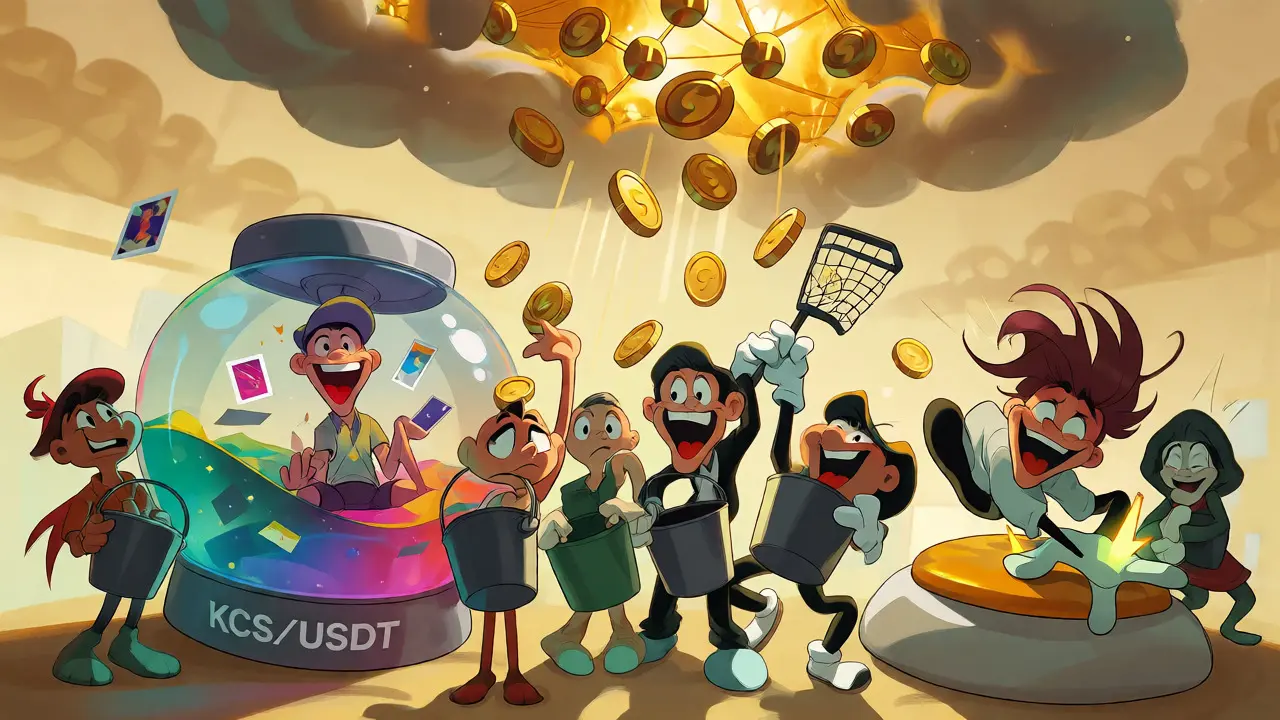
- Provide Liquidity: Pair up two tokens (like KCS/USDT) and deposit them into a liquidity pool. This locks your funds but earns you trading fees and potential airdrop points.
- Trade Frequently: Some protocols reward volume. Making small trades regularly might score higher than one huge trade.
- Hold Native Tokens: Holding KCS (KuCoin Shares) in your wallet connected to the KCC chain often acts as a multiplier for rewards.
Be careful with scams. Always verify the contract address through official KuCoin channels or the project's verified Twitter handle. Never share your private key, no matter what the website asks for.
Comparing KCCSwap to Other 2026 Airdrops
The crypto landscape is crowded. To see where KCCSwap fits, look at how it stacks up against other major projects tracking points for upcoming token generation events (TGE).
| Protocol | Ecosystem | Reward Mechanism | Key Requirement |
|---|---|---|---|
| KCCSwap | KuCoin Community Chain (KCC) | Liquidity & Volume Points | Active KCS Wallet |
| Lighter | Arbitrum / Custom L2 | Trading Volume Leaderboards | $7B+ Daily Volume |
| Paradex | StarkNet | Points System (57.6% Supply) | Derivatives Trading |
| MojitoSwap | KuCoin Community Chain (KCC) | Historical Snapshot (MJT) | Past Liquidity Provision |
Notice the pattern? While Lighter focuses on raw volume and Paradex on derivatives, KCCSwap leans into the community aspect of the KuCoin ecosystem. Your competition is lower here than on Ethereum mainnet, but the total prize pool might also be smaller.
Step-by-Step Guide to Interacting with KCCSwap
Ready to dive in? Here is a practical checklist to ensure you are eligible when the snapshot happens.
- Set Up MetaMask: Ensure your wallet supports custom networks. Add the KCC network settings (Chain ID: 321) manually if they aren't auto-detected.
- Fund Your Wallet: Bridge some USDT and KCS from the KuCoin exchange to your KCC wallet. You’ll need a tiny bit of KCS for gas fees.
- Visit the Official Site: Connect your wallet to the KCCSwap interface. Look for the "Farm" or "Liquidity" tab.
- Add Liquidity: Select a popular pair like KCS/USDT. Approve the tokens and confirm the transaction on the blockchain.
- Track Your Activity: Keep a record of your transactions. Take screenshots of your dashboard showing your liquidity position and any accrued points.
This process takes less than ten minutes once you're familiar with bridging assets. The key is consistency. One-time deposits are good, but ongoing activity looks better to algorithmic point systems.

Risks and Things to Watch Out For
Airdrops aren't guaranteed income. There are risks involved. First, there's smart contract risk. If the code has a bug, your deposited funds could be vulnerable. Second, there's regulatory uncertainty. In New Zealand and globally, tax authorities are increasingly scrutinizing airdrops as taxable income upon receipt.
Also, watch out for "farm dumps." Sometimes, when a token launches, early farmers sell everything at once, crashing the price. Don't expect to get rich overnight. Treat this as a bonus for participating in the ecosystem, not a lottery ticket.
Final Thoughts on Timing
Timing is everything. Historical data from MojitoSwap suggests snapshots happen quietly, followed by announcements within seven working days. Keep an eye on KuCoin's official blog and the KCCSwap social media channels. If you wait for the announcement, you might already be too late. Act now, engage genuinely, and keep your records safe.
Is the KCCSwap airdrop confirmed?
While specific dates may vary, KCCSwap is part of the active KuCoin Community Chain ecosystem. Based on precedents like MojitoSwap, airdrops are highly probable for early users. Always check the official KuCoin Airdrop Calendar for real-time confirmation.
Do I need to hold KCS to qualify?
Holding KCS is not always mandatory for eligibility, but it often acts as a multiplier for rewards. Many KCC-based protocols prioritize users who hold the native KuCoin Share token, so keeping some KCS in your wallet is a wise strategy.
What is the typical snapshot time?
Snapshots are usually taken at block heights rather than specific clock times to ensure fairness across global time zones. However, announcements typically occur within 7 working days after the snapshot, giving users a brief window to prepare their wallets for claiming.
Are there fees to participate?
Yes, you will pay gas fees on the KuCoin Community Chain. These fees are significantly lower than Ethereum mainnet, usually costing cents rather than dollars. You will need a small amount of KCS in your wallet to cover these transaction costs.
Can I lose my money providing liquidity?
You face impermanent loss if the price of the tokens you paired changes significantly compared to when you deposited them. Additionally, there is a minor risk of smart contract bugs. Stick to reputable pairs like KCS/USDT to minimize volatility risk.


Categories